18mm MacBook Pro Vertical Stand
Created 1 months ago
Description
Dock a closed 16-inch MacBook Pro on its side to save desk space. This vertical stand holds the laptop securely while keeping the aluminum chassis accessible.
- 18mm wide slot accommodates the 16.8mm thickness of the 16-inch model with necessary clearance.
- Flared top entry guides the device into place for smooth docking.
- Wide side window provides direct physical access to the case for checking the temperature by touch.
The extended footprint creates a stable base, preventing the heavy machine from tipping over when inserting cables or knocking the desk.
Images
More like this
Explore more in Desk & Tech →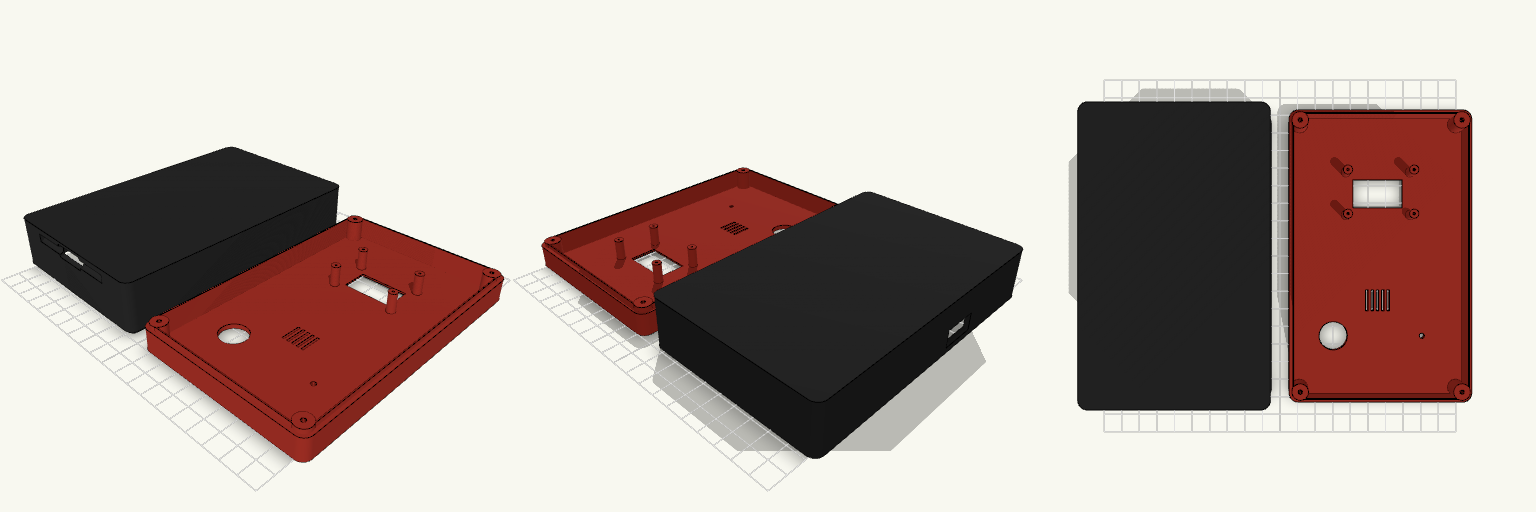
SafeSuit Pro Controller Housing
A loose development board is just a short circuit waiting for a metallic desk. This is a heavy-duty, two-piece wearable housing designed to bolt an ESP32 and LoRa radio down tight, run the cables clean, and put the interface exactly where you can hit it blind. Assembly Clearances Dimensions: 160 × 100 × 45 mm assembled. Screen: 28×16 mm inner cutout with a 32×20 mm outer recess for a flush bezel (fits standard 0.96" I2C OLEDs). Fasteners: Eight 2.5mm ID corner bosses ready for M3 tapping, completely blind from the front face. Printing: Both halves sit flat on the bed. Flip the front cover 180° in your slicer to print face-down without supports.
Tiki Speaker Enclosure & Pedestal
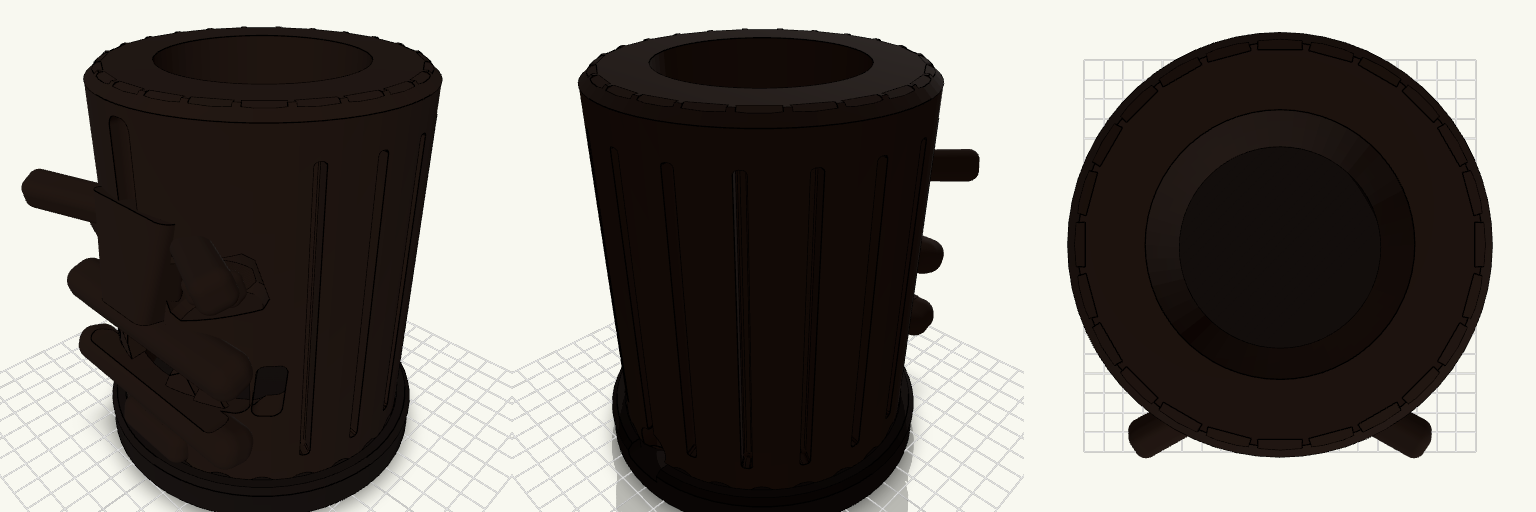
Sliding a hollow sleeve over a speaker means the device drags on the desk if you ever need to move it. This adds a dedicated pedestal base to the enclosure. The Tiki drops into a perfectly toleranced pocket, and the Echo Dot sits flat on the floor inside it, locking everything together as a single solid unit you can actually pick up. Dimensions Pedestal Footprint: 128 mm diameter Tiki Height: 140 mm (sits 10 mm deep in the base) Clearance: 0.75 mm gap around the lip so the shell drops in without binding Cable Management: Rear cutouts in both pieces align perfectly to let the power cord out
Oversized Desk Device Stand
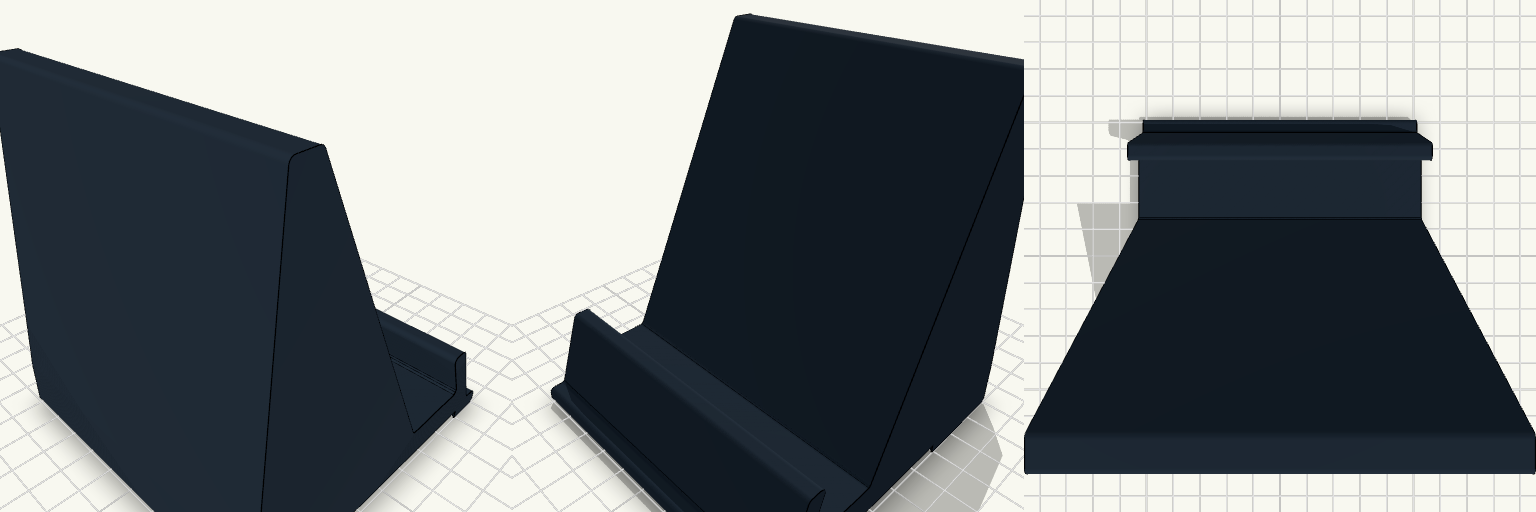
An oversized, stable desktop stand designed for larger devices. It uses a thick, continuous profile with a wide footprint and a deep front cradle to keep heavy hardware from tipping backwards. The underside is channeled out to ensure the stand rests securely on its front and back edges without rocking. Remix Variables Total Width: Currently 100 mm. Drop this to 60 mm if you want a slimmer profile, or stretch it to 150 mm for a massive tablet. Backrest Height: Reaches 110 mm off the desk. You can lower the rear profile points if your device sits fine on a shorter spine. Cradle Gap: Set at roughly 24 mm to accommodate thick cases or ruggedized hardware. Pull the inner cradle coordinates forward if you need a tighter grip on bare devices.
Armored Figure Headset Stand
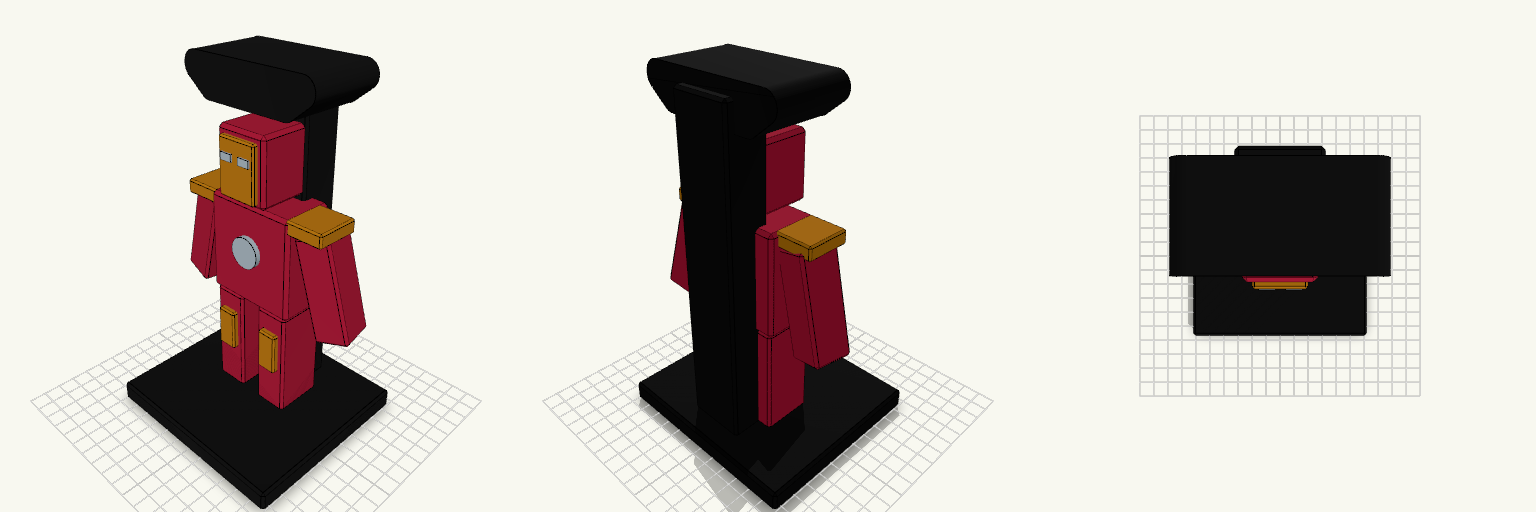
A sturdy desktop headset stand featuring a geometric, stylized armored figure integrated directly into the vertical support column. The design merges practical utility with a block-bot aesthetic, supporting standard gaming headsets on a wide, curved top rest. Heavy 120x110 mm base for stability Wide U-shaped headset saddle prevents band indents Integrated four-color figure designed for multi-material FDM Chamfered geometry prints cleanly without supports
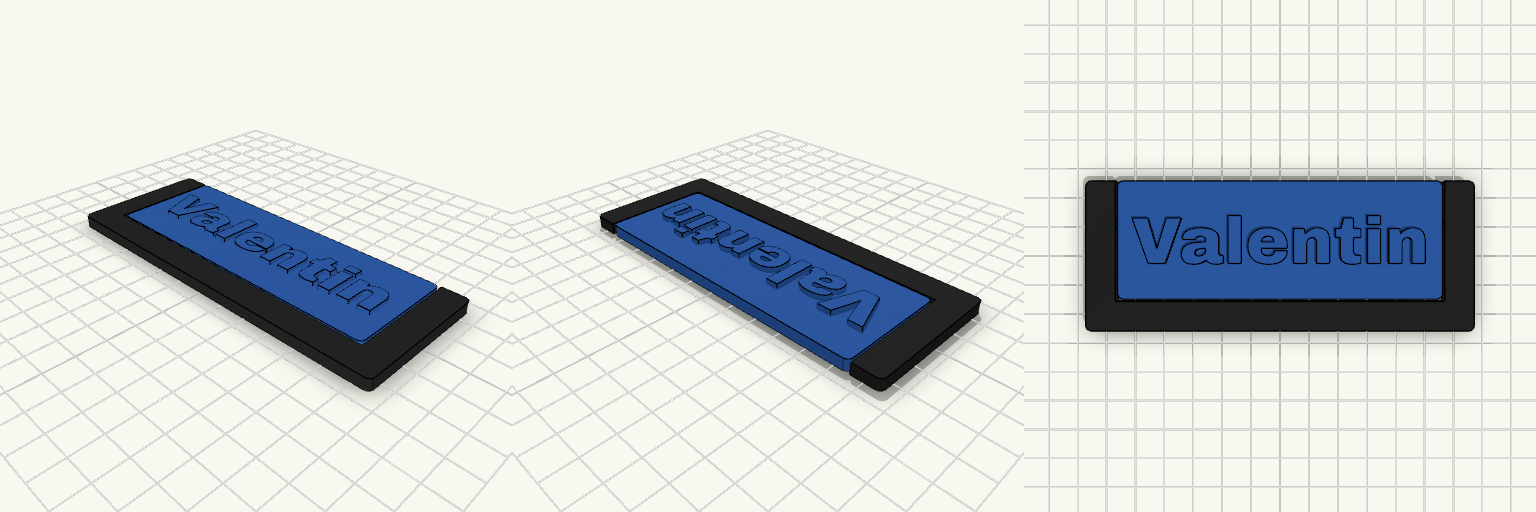
Folding Flat-Pack Name Tag
A print-in-place desk plate that prints entirely flat and features an integrated hinged kickstand. Designed for easy setup, the outer frame swings backward to form a stable tripod base. Features of this design: Print-in-place captive hinge mechanism with a 0.4mm tolerance Heavyweight 4mm main card thickness for rigidity Recessed nested geometry allowing it to collapse back into a single flat sheet Embossed typography using Archivo Black for high legibility
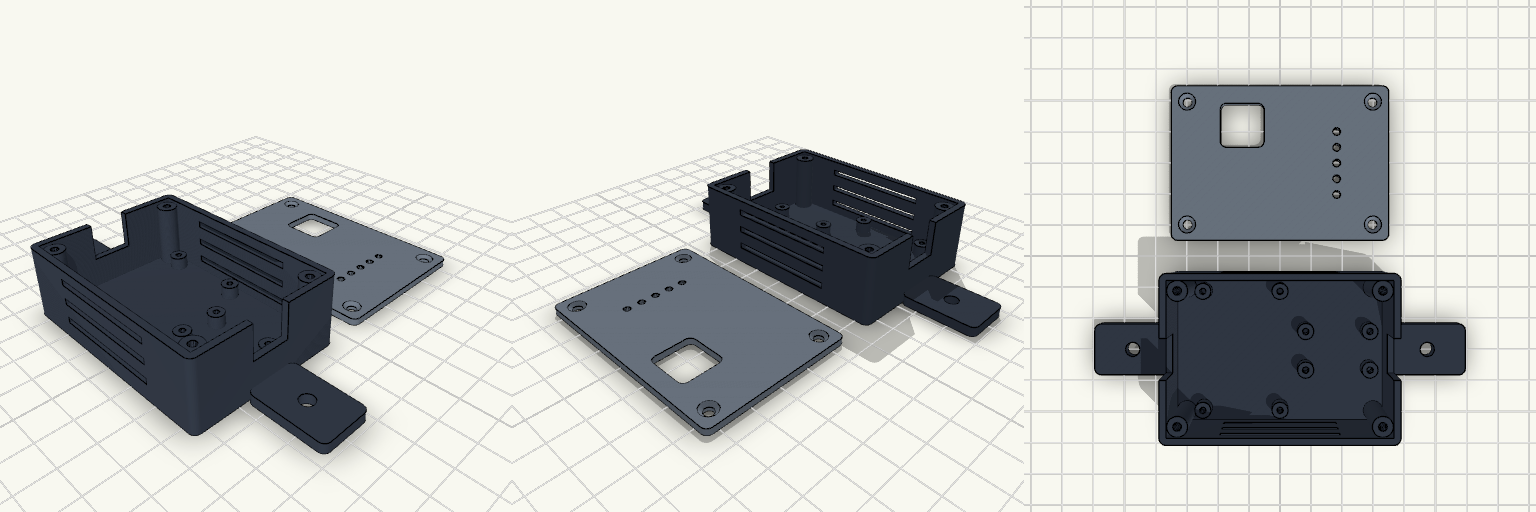
Vision Scale Control Box
A structured, dual-bay hardware enclosure tailored to house both an ESP32-CAM and an HX711 load cell amplifier. Built with a unified form factor to keep a vision-based smart scale or sensor node tidy, this shell manages the boards, wiring, and thermal exhaust in one place. Internal Layout: Features independent standoff patterns spaced for standard ESP32-CAM and HX711 module footprints. FDM Optimized: Horizontal ventilation tracks on the side walls print cleanly without supports. Cable Management: Drop-in U-slots on either end allow cables to be seated before securing the lid, avoiding tricky wire threading. Hardware Required: Fits standard M3 self-tapping screws for the lid, and features built-in outer flanges for securing to a bench or wall.