2020 Extrusion Carriage Mount
Created 6 days ago
Description
A universal carriage plate designed to ride on 2020 v-slot extrusions using standard POM wheels. The plate features asymmetrical mounting holes: fixed 5.2mm holes on one side for standard spacers, and 7.2mm holes on the opposite side to accommodate eccentric nuts for tension adjustment.
Features of the carriage plate:
- 6mm thick base for rigidity under load.
- 40mm horizontal wheel spacing to perfectly straddle a standard 2020 extrusion profile.
- Central 22mm clearance hole for belt routing or wiring access.
- Four M5 slotted mounts in the center to accommodate various toolheads, including standard CNC spindle brackets or 3D printer hotend assemblies.
Images
More like this
Explore more in Workshop & Tools →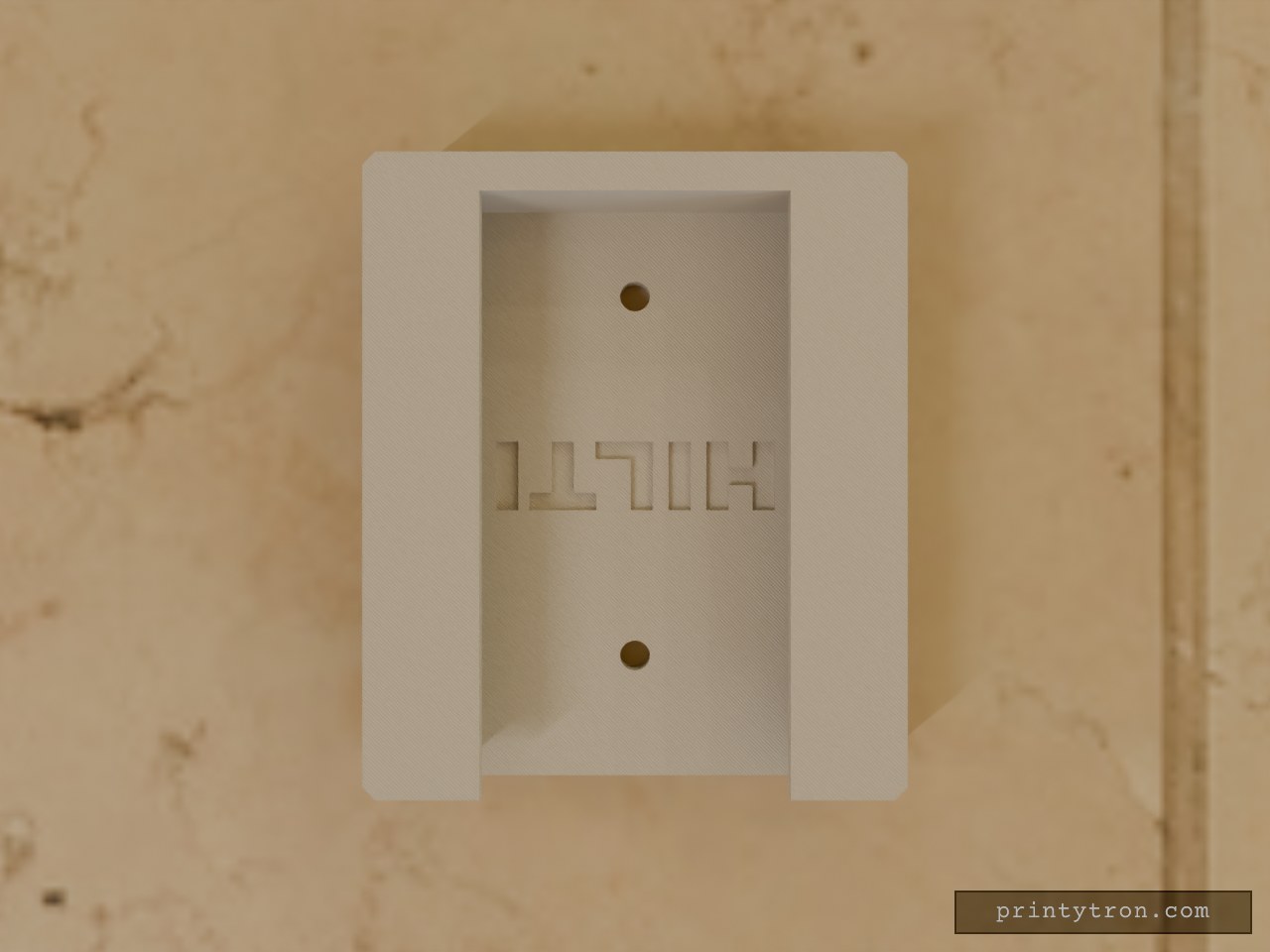
Hilti Nuron Battery Mount
A wall-mounted receiver bracket for Hilti Nuron batteries. Heavy battery packs love to lever short brackets right out of the drywall. This bracket gives them a solid vertical footprint to spread that load, catching the battery's sliding interface on an internal U-channel with a dead stop at the base. Internal Channel: 63mm wide (48mm opening) Clearance: Counter-sunk screw holes keep the hardware below the sliding surface Detail: Features a debossed HILTI logo on the backplate that stays clear of the sliding path
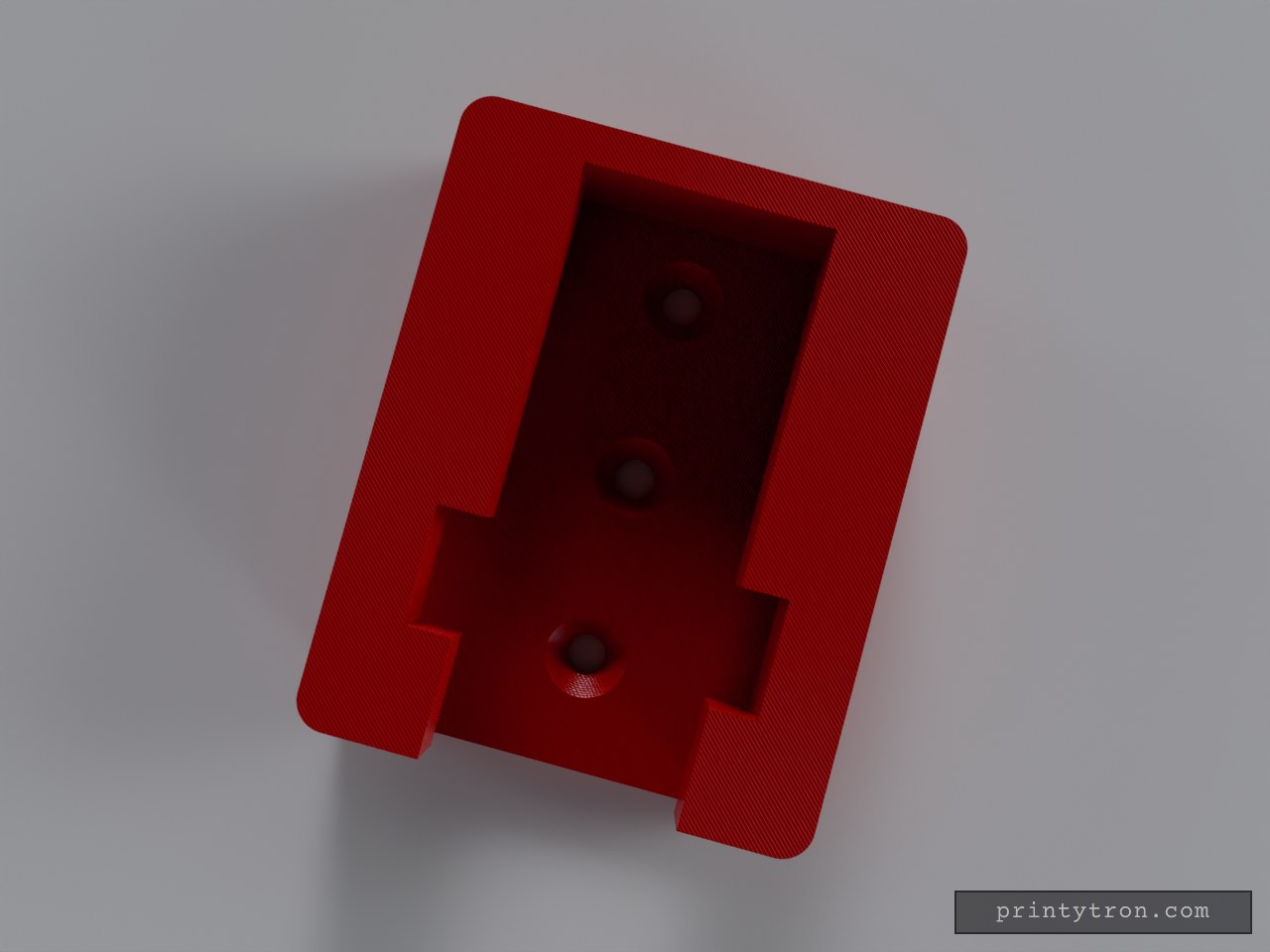
M18 Battery Mount
A wall- or bench-mountable receiver designed to hold a Milwaukee M18 battery. The block features an internal track that matches the battery's rails, allowing it to slide into place securely. Interface: Female slide-track (receives the battery) Mounting: 4x countersunk holes sized for #8 or #10 screws Orientation: Includes an internal stop at the back so the battery rests securely when mounted vertically
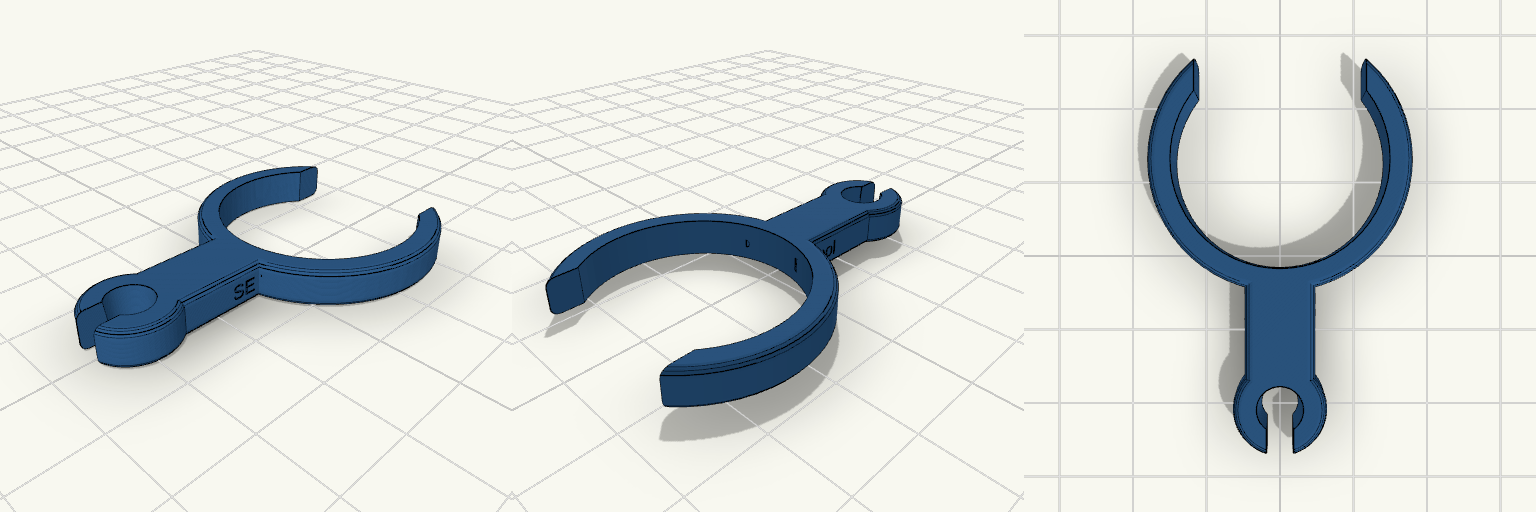
small Bottle Syringe Clip
A custom-sized double ring designed to couple a 14.5 mm syringe to a 31 mm bottle neck. Syringe bore: 14.5 mm with an 8 mm front insertion slot Bottle bore: 31 mm (snaps on via a 22 mm back slot) Clearance: 4 mm bridge spacing The branding is now recessed 0.6 mm directly into the bottle ring's inner wall, keeping the outer profile completely flush. Check your syringe outer barrel measurement before running this.
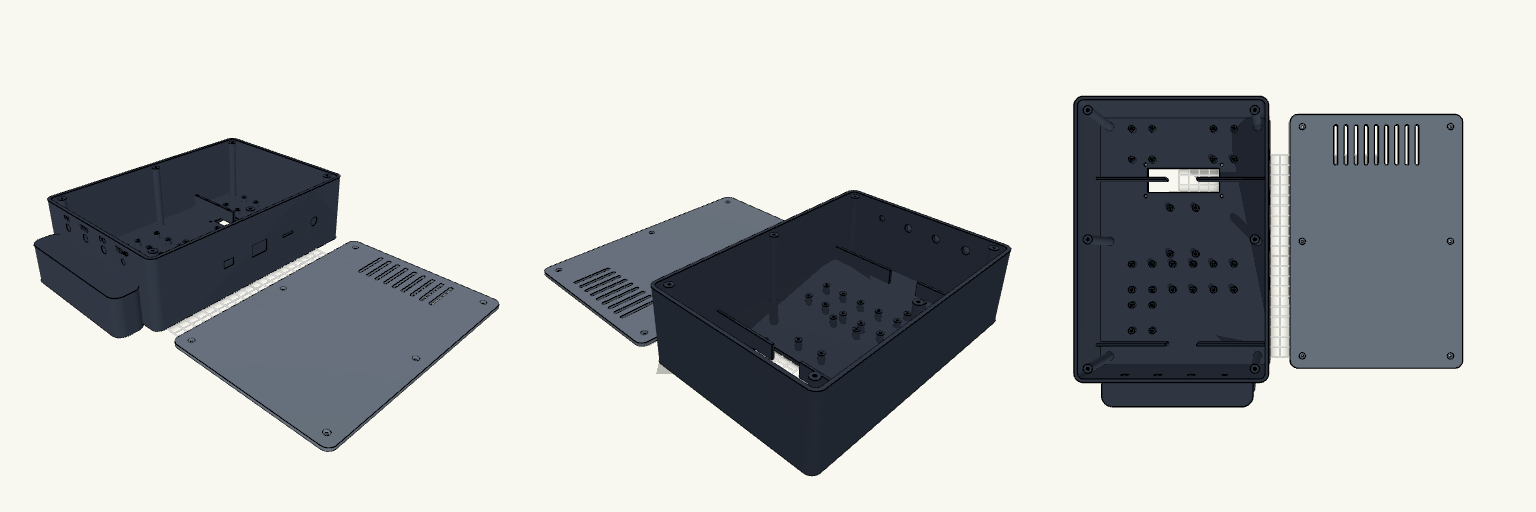
Biofloc Monitor Station Enclosure
An enclosure is only as good as the snarl of wires it prevents. This is a heavy-duty two-part monitor housing built specifically for FDM printing, designed to group, separate, and anchor a complete suite of biofloc water-quality electronics without turning into a bird's nest inside. The layout isolates the battery compartment at the bottom and keeps the DC buck converters and relay in a ventilated top section, leaving the central deck clear for the ESP32 and an array of sensor interfaces. Internal divider walls double as cable routing channels, forcing the wiring to stay orderly. Core Features Printability: Both halves print completely flat on the build plate (Z=0). The integrated bottom handle is flush with the front face to avoid overhangs. Dimensions: 170 mm width × 250 mm height × 75 mm depth. Hardware Required: 6× M3 screws for the rear cover; additional M3 hardware for the internal standoffs and the 16x2 LCD faceplate mount. Ports: Bottom panel holds 4× sensor ports (3× 8mm, 1× 6mm) with engraved labels. Right panel holds cutouts for 12V DC, an SD card slot, a rocker switch, and USB programming access.
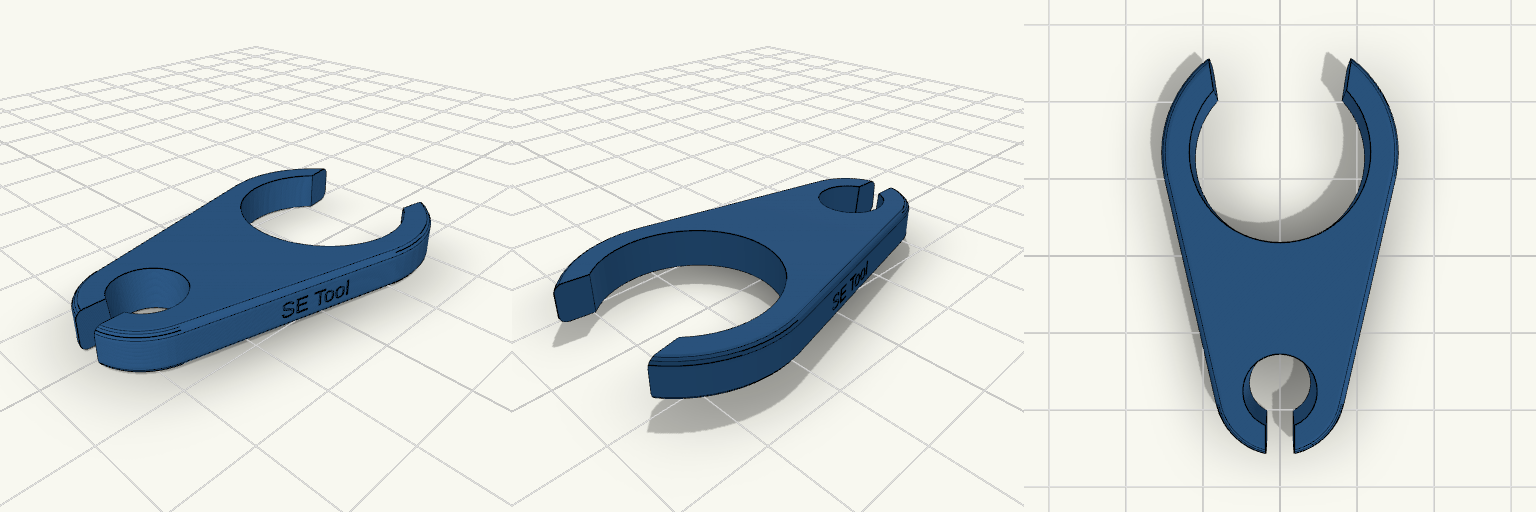
28mm — Tapered Syringe Adapter
A specialized dual-ring tool designed to connect a small tapered syringe (5–6 mm) to a 28 mm bottle neck. Features Bottle Bore: 28 mm with a straight 8 mm snap-on cutout, finished with rounded entry tips. Syringe Bore: Tapered from 5 mm at the bottom to 6 mm at the top, ensuring a snug fit. Bridge: A short 6 mm tapered solid bridge connecting the two mounts smoothly. Branding: "SE Tool" engraved directly onto both side flanks of the tapered bridge.
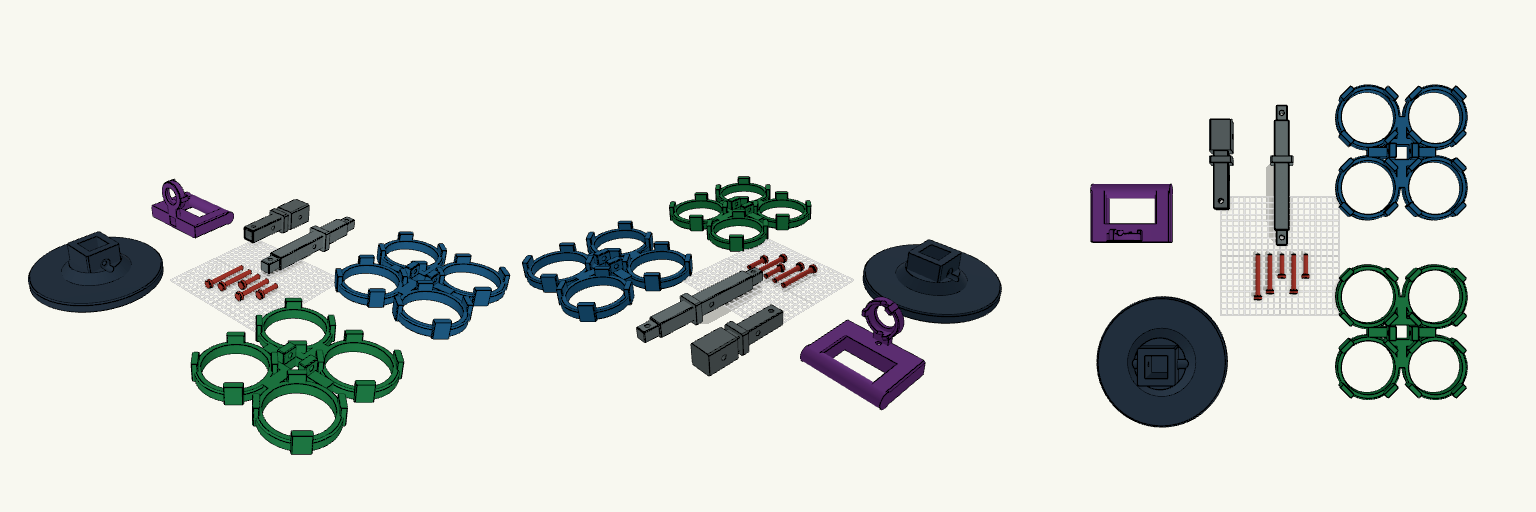
Modular Bocce Ball Caddy
A mechanical caddy designed to securely carry eight standard 103 mm bocce balls. Built for utility over aesthetics, it features two removable 2x2 trays that mount onto a central load-bearing spine. Twin Trays: Each holds four balls in open, chamfered rings to keep them seated firmly without burying them in deep cups. Structural Spine: A 30 mm central column bears the primary weight via mechanical shoulders, rather than relying on pins. Transverse Locks: Simple pin mechanisms retain the trays vertically during transport. Carrying Base & Handle: Includes an integrated T-handle and a wide 160 mm base to prevent tipping when loaded.