Hinged Dragon Injection Mold
Created 1 months ago
Description
Pouring liquid plastics into split molds usually ends with the halves sliding out of alignment, ruining the cast and spilling hot material everywhere. This print-in-place clamshell mold fixes that by locking the halves together with a permanent hinge and alignment pegs, ensuring a perfect seal every time you close it.
The internal cavity forms a smooth, undercut-free dragon shape, fed by a top-mounted injection funnel. Air vents run across the parting line to prevent bubbles from trapping in the wings or tail.
Mold Specifications
- Closed Dimensions: 100mm wide x 70mm tall x 30mm thick.
- Cavity Size: Roughly 45mm x 55mm (scales cleanly).
- Clearance: 0.5mm on the hinge mechanism — ensure your extrusion multiplier is tuned so the cones don't fuse.
- Material: Print in PETG or ABS for thermal resistance if injecting warm wax or low-temp thermoplastics; TPU works brilliantly if you need a flexible mold to aggressively demold rigid casting resins.
Images
More like this
Explore more in Workshop & Tools →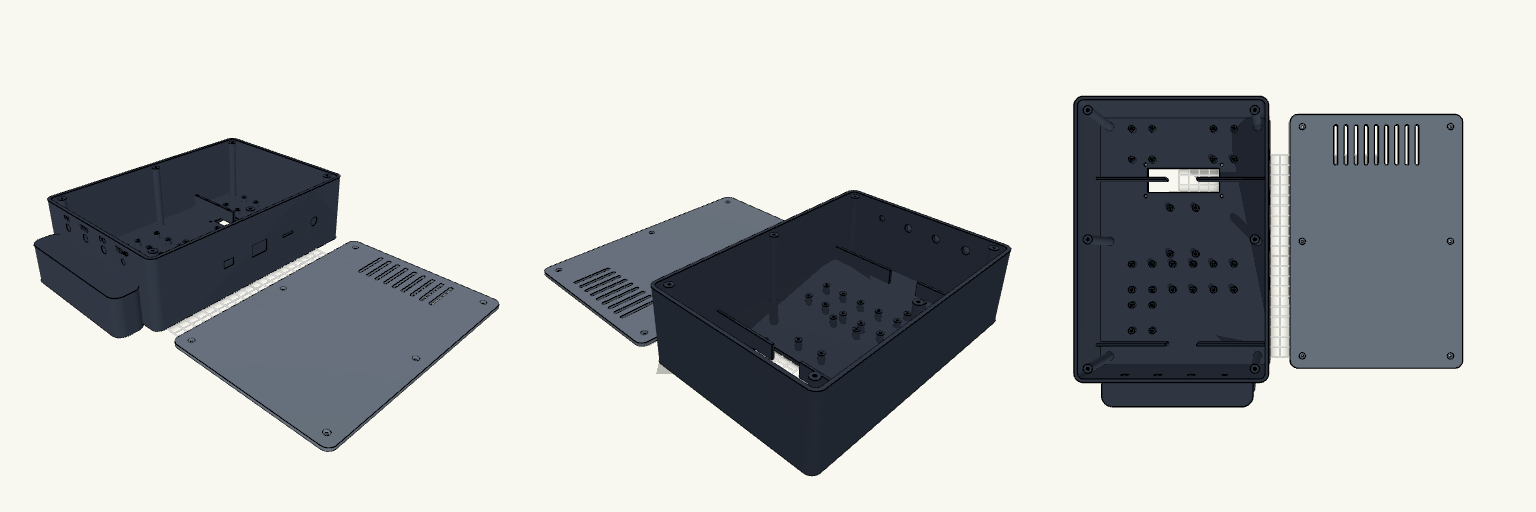
Biofloc Monitor Station Enclosure
An enclosure is only as good as the snarl of wires it prevents. This is a heavy-duty two-part monitor housing built specifically for FDM printing, designed to group, separate, and anchor a complete suite of biofloc water-quality electronics without turning into a bird's nest inside. The layout isolates the battery compartment at the bottom and keeps the DC buck converters and relay in a ventilated top section, leaving the central deck clear for the ESP32 and an array of sensor interfaces. Internal divider walls double as cable routing channels, forcing the wiring to stay orderly. Core Features Printability: Both halves print completely flat on the build plate (Z=0). The integrated bottom handle is flush with the front face to avoid overhangs. Dimensions: 170 mm width × 250 mm height × 75 mm depth. Hardware Required: 6× M3 screws for the rear cover; additional M3 hardware for the internal standoffs and the 16x2 LCD faceplate mount. Ports: Bottom panel holds 4× sensor ports (3× 8mm, 1× 6mm) with engraved labels. Right panel holds cutouts for 12V DC, an SD card slot, a rocker switch, and USB programming access.
Self-Centering V-Block Finder
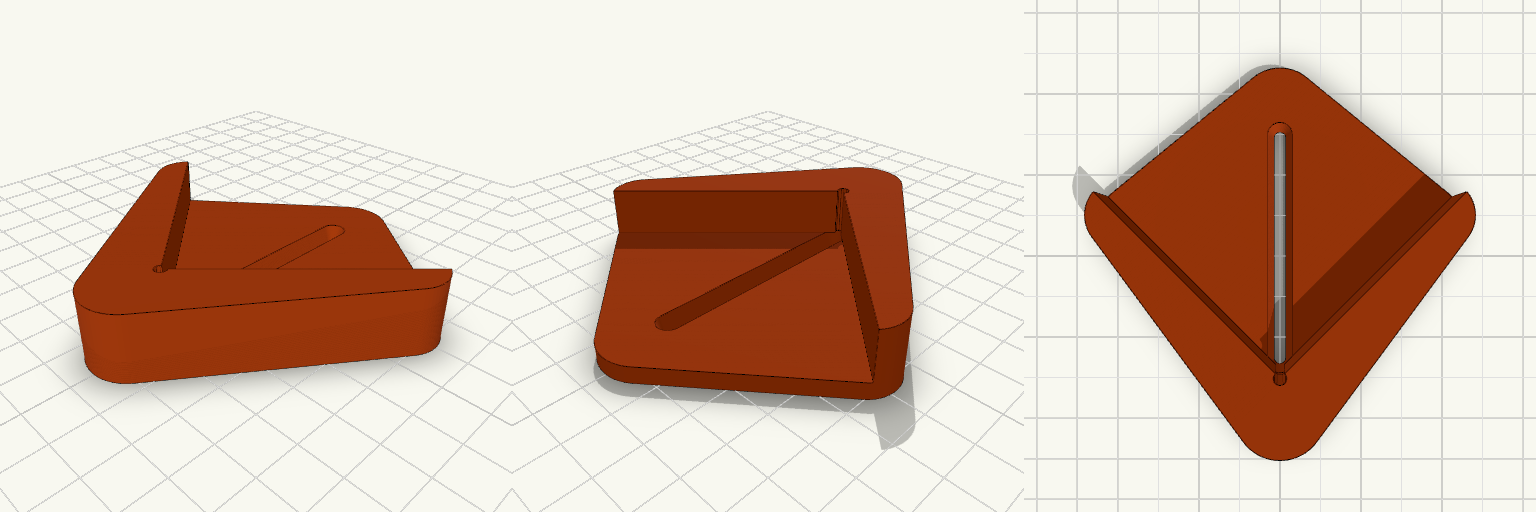
A precision marking tool designed to locate the exact center of round and square stock. Eliminates the need to eyeball center lines when preparing material for drilling, turning, or joining. What it's for Self-Centering Base: A 90-degree V-groove securely seats the tool on both round dowels and square cuts. Tapered Pencil Slot: The marking slot tapers from 6mm down to a 1.5mm slit, physically forcing the pencil lead onto the true center line. Corner Relief: The apex of the V-groove includes a circular relief, preventing the sharp corners of square stock from binding. Dimensions Stock Compatibility: Accommodates material widths from 10mm up to 60mm. Overall Size: Measures roughly 86mm wide and 90mm long. Base Plate Thickness: The main plate is 4mm thick, providing a rigid straight edge. Remix ideas Extend the length of the plate and slot for marking deeper along the stock. Widen the V-arms to accommodate larger stock sizes like fence posts. Modify the slot taper to perfectly capture a specific mechanical pencil or marking knife.
LockDrop — Packout Cup Holder
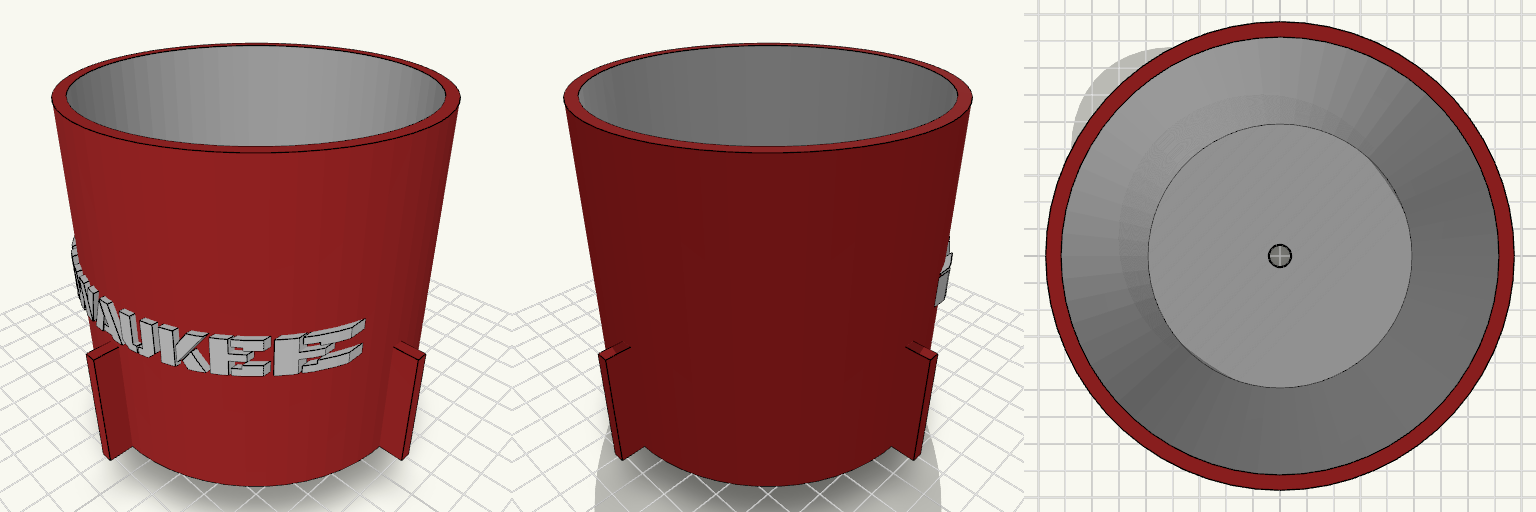
A rugged, drop-in cup holder designed to integrate perfectly with the Packout system. Secures easily onto any standard Packout lid using an integrated twist-lock cleat that sits flush for straightforward 3D printing. The main body accommodates standard tumblers and bottles while the heavy-duty walls and gussets ensure side-load stability. Features Twist-Lock Cleat: Drops into standard female Packout receivers with a friction fit. Flush Base Construction: Designed to print cleanly without complex supports for the bottom locking mechanism. Heavy-Duty Walls: Thickened sides with structural gussets engineered for shop environments. Front Branding: Embossed Milwaukee logo wrapping the front curve for a finished tool aesthetic. Drainage: Integrated center channel prevents liquid and debris buildup.
Eğimli Üçgen Kama
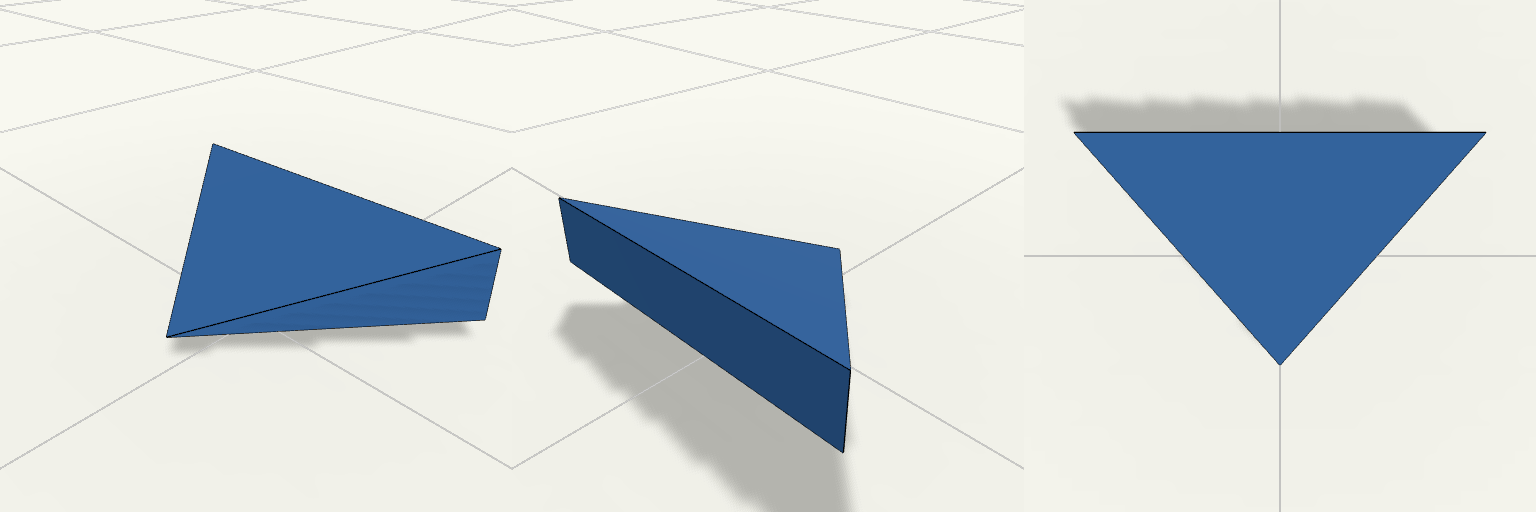
Bu parça, arka tabanı 5 mm genişliğinde ve 1 mm yüksekliğinde olan, uca doğru eğimli bir şekilde azalarak sıfırlanan bir ikizkenar üçgen kamadır. Alt kenar uzunlukları istenildiği gibi tam 3.905 mm ölçüsüne denk gelir. Genişlik: 5 mm arka taban Yükseklik: 1 mm'den uca doğru sıfırlanır Kenar Uzunlukları: 3.905 mm (alt kenarlar)
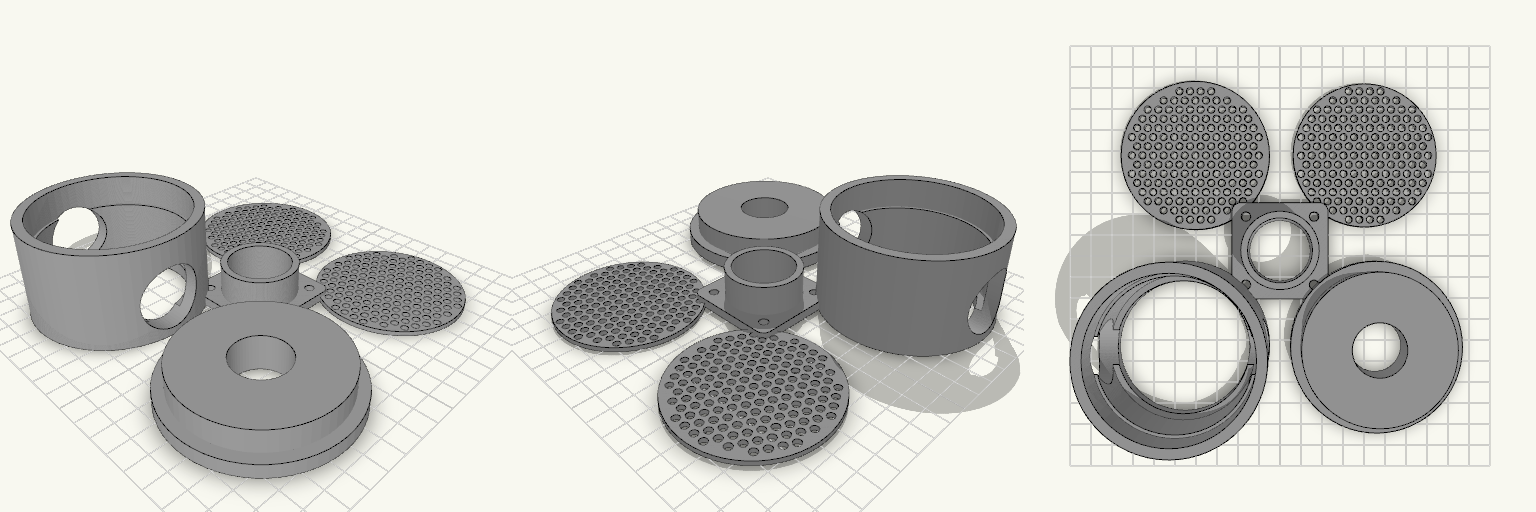
80mm Dual-Stage Filter Housing Assembly
A five-piece, fully printable filter housing assembly designed for exact fitment. The system features a stepped main housing to accommodate dual filter discs, a flush-fitting top cover, and a bolt-on side manifold for secondary flow or sensor integration. Main Housing: 80 mm outer diameter, 68 mm primary bore, with internal stepped ledges for part seating and a side port cutout. Top Cover: 80 mm cap with a 70.5 mm insert profile and a central 25 mm feed opening. Dual Filter Discs: 70 mm and 67.5 mm discs, each sporting 151 precise 3.5 mm holes in a calculated hexagonal layout. Side Component: 45 mm square flange adapting to a 35 mm outer, 29 mm inner cylinder for side-port attachment. Designed to print as individual flat parts requiring minimal to no supports. Clearance offsets are incorporated directly into the nested cavities to allow for immediate assembly off the build plate.
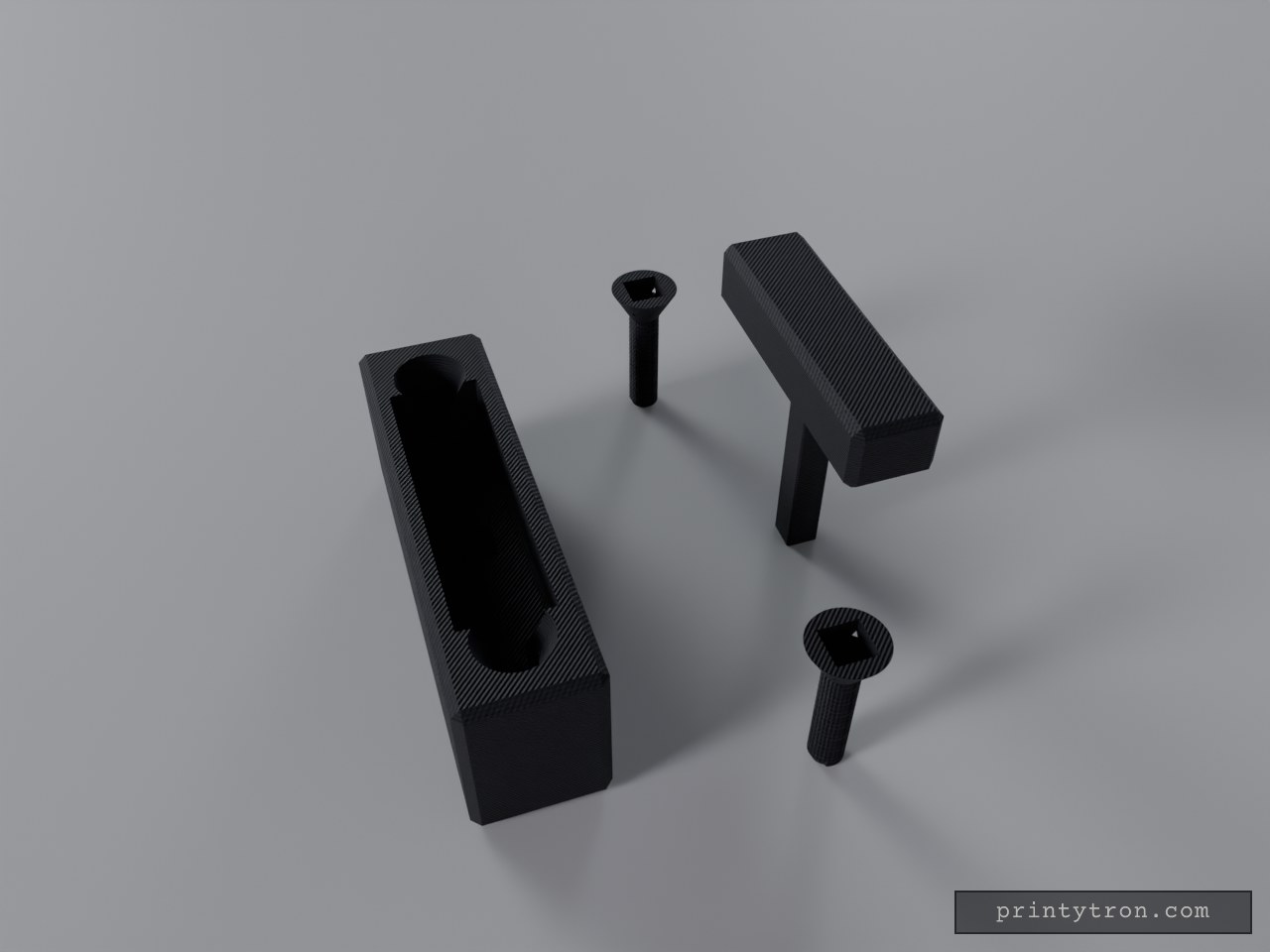
4mm Square Key & Mount
The 4mm square key is the thing you can never find when a radiator needs bleeding or a panel needs opening. This gives the key a dedicated wall mount so it actually stays put. Includes a fitted bracket and custom printed M4 screws that use the same 4mm square drive as the key itself — meaning you don't even need a separate screwdriver to mount the bracket. Mounting bracket: 55mm × 15mm Key shaft: 4mm square Screw drive: 4.5mm square recess