Ripple Dune Twist-Lock Lamp
Created 20 days ago
Description
A soft, dune-rippled shade sits on a rounded pedestal base, like a small sand-sculpture lamp. The two pieces lock together with a printed twist-lock joint, so no hardware is needed. A bulb holder pocket sits inside the shade, and the cable runs through the base.
Design notes
- Three lugs on the base neck drop into slots in the shade, then a short twist locks them.
- The cable hole enters the rear of the base and rises through the neck into the bulb pocket.
- The 24 mm pocket suits a small E14-style lamp holder. Use a low-heat LED bulb.
- Prints as two parts, base flat on the bed and shade open end down.
Images
More like this
Explore more in Decor & Display →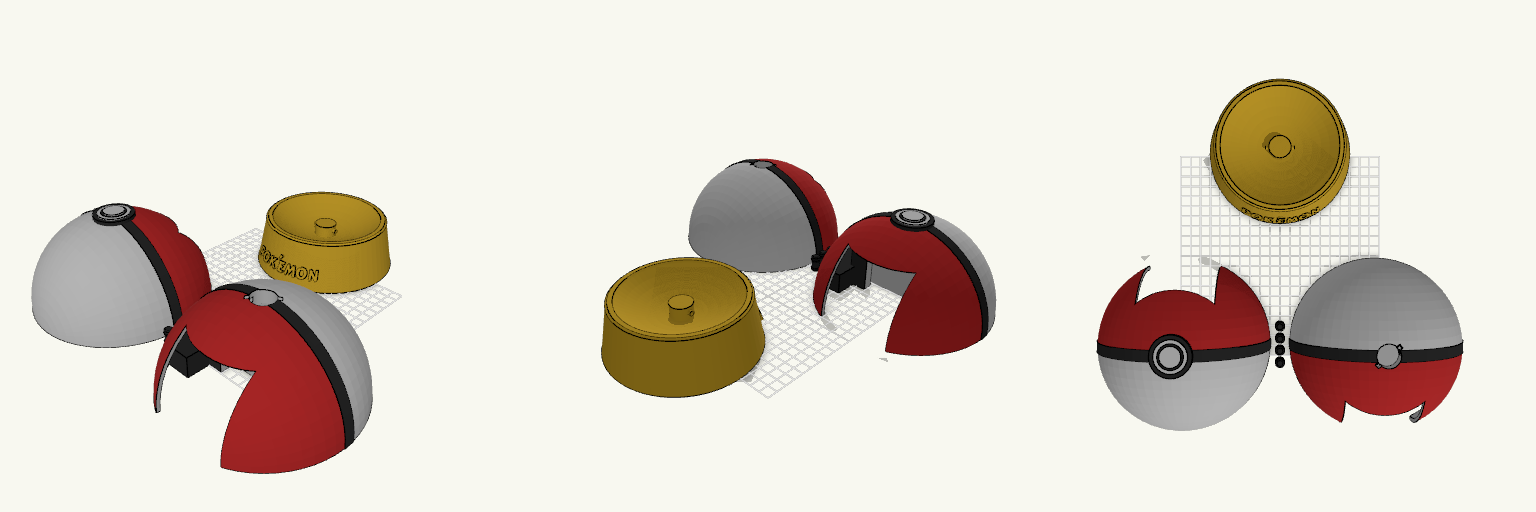
Apex Ball — Twist-Lock Card Case With Stand
Apex Ball is a Pokéball-style display case for a graded card slab, with a matching cradle stand that locks to the ball. Features Hollow two-half shell with a 80.45 × 135.8 × 6.52 mm slab pocket Tiny retaining ribs on the pocket side walls to grip the slab Viewing window on the red half; the white half is solid Snap-fit link pins join the halves Layered Pokéball button Twist-lock socket in the dome opposite the button Stand with a raised POKÉMON lettering and a locking post Print notes Use at least 3 perimeters for the shell. Check the post-and-peg fit and the pin snap first.
Piramide Twist, puzzle a spirale incastrato
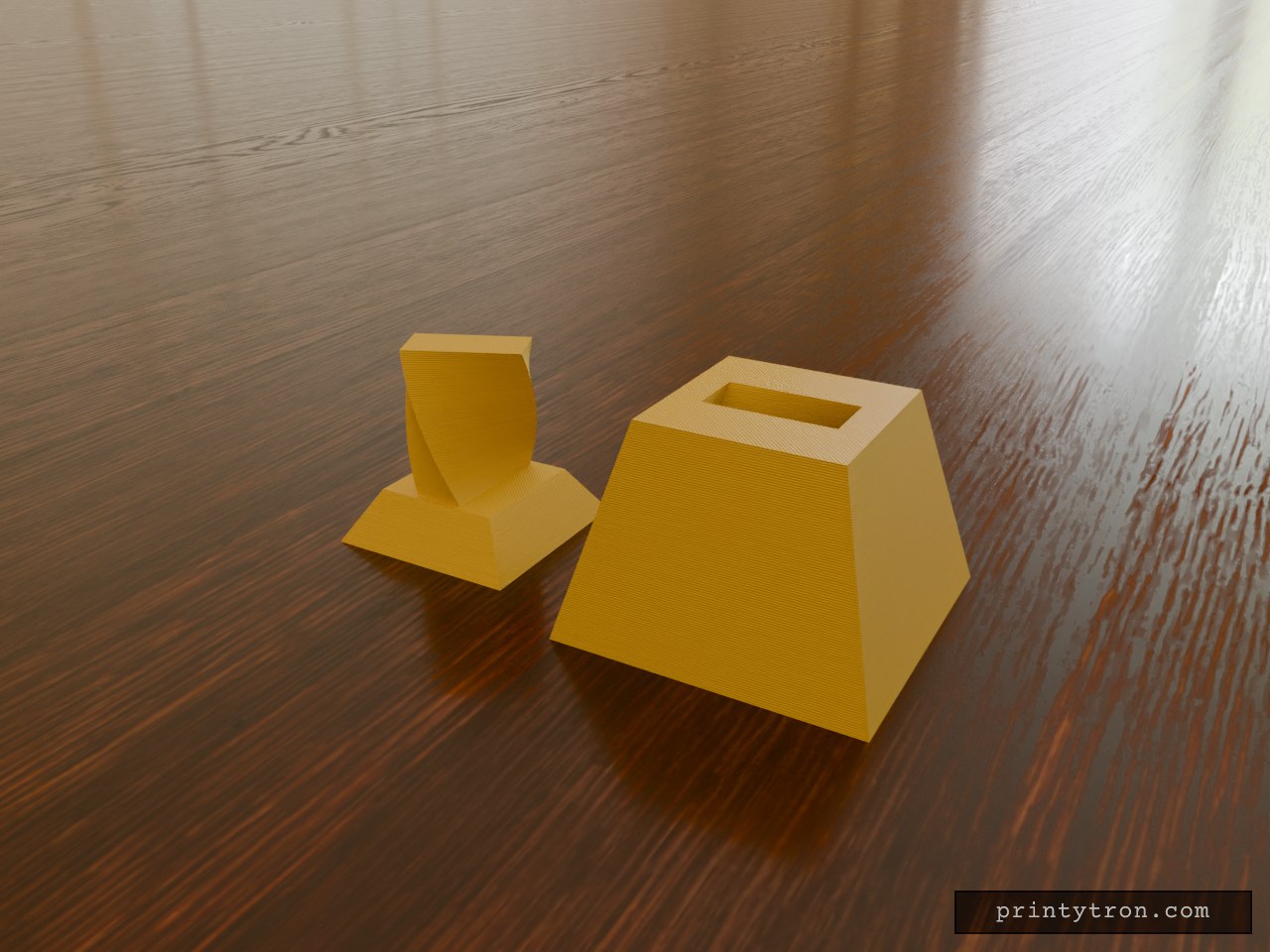
Un piccolo faraone dei puzzle: un blocco a piramide troncata con un foro a spirale e una barra twistata che vi scivola dentro. La barra si infila dal basso, la testa a piramide si adagia nell'incavo e, ruotandola, la spirale la guida fino all'altra estremità. Entrambi i pezzi sono alti 30 mm, così a incastro completato restano a filo. Blocco: base 44 mm, cima 28 mm, altezza 30 mm Barra: sezione 8 × 18 mm, altezza totale 30 mm Gioco 0,3 mm Stampa entrambi con la base sul piano
Hexagonal Base Twist Puzzle Block and Bar
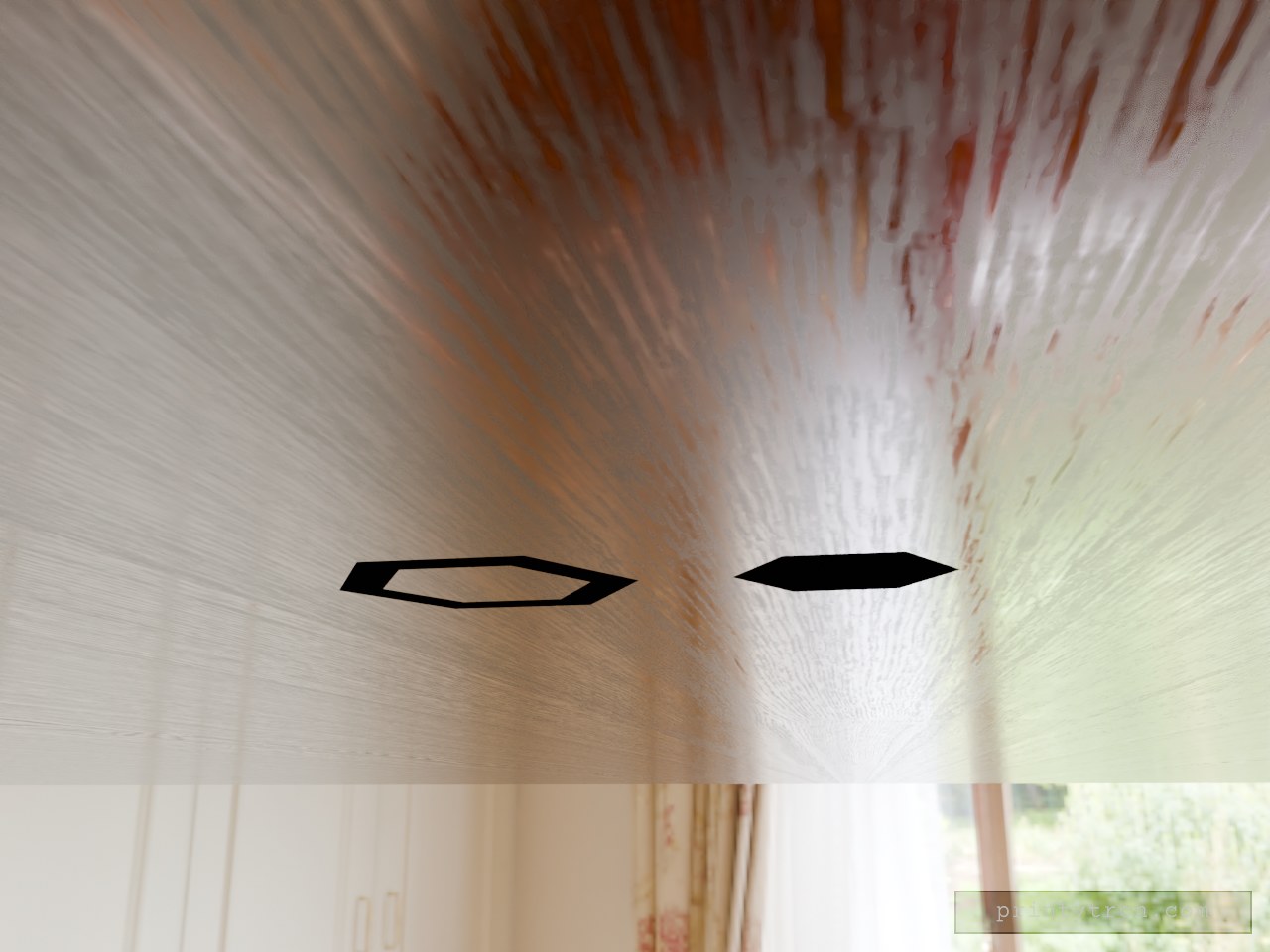
Two-piece twist puzzle: a truncated hexagonal-pyramid block with a spiral slot and a twisted bar that threads through it. The block has a 44 mm across-corners hexagonal base tapering to 28 mm at the top, 30 mm tall. The bar has a matching hexagonal head and an 8 × 18 mm twisted section. Both parts are 30 mm tall when assembled and finish flush. Clearance: 0.3 mm between bar and spiral slot Print both parts base-down, no supports expected Suggested material: PLA or PETG Twist rate: 3° per mm
Round Pyramid Twist Puzzle
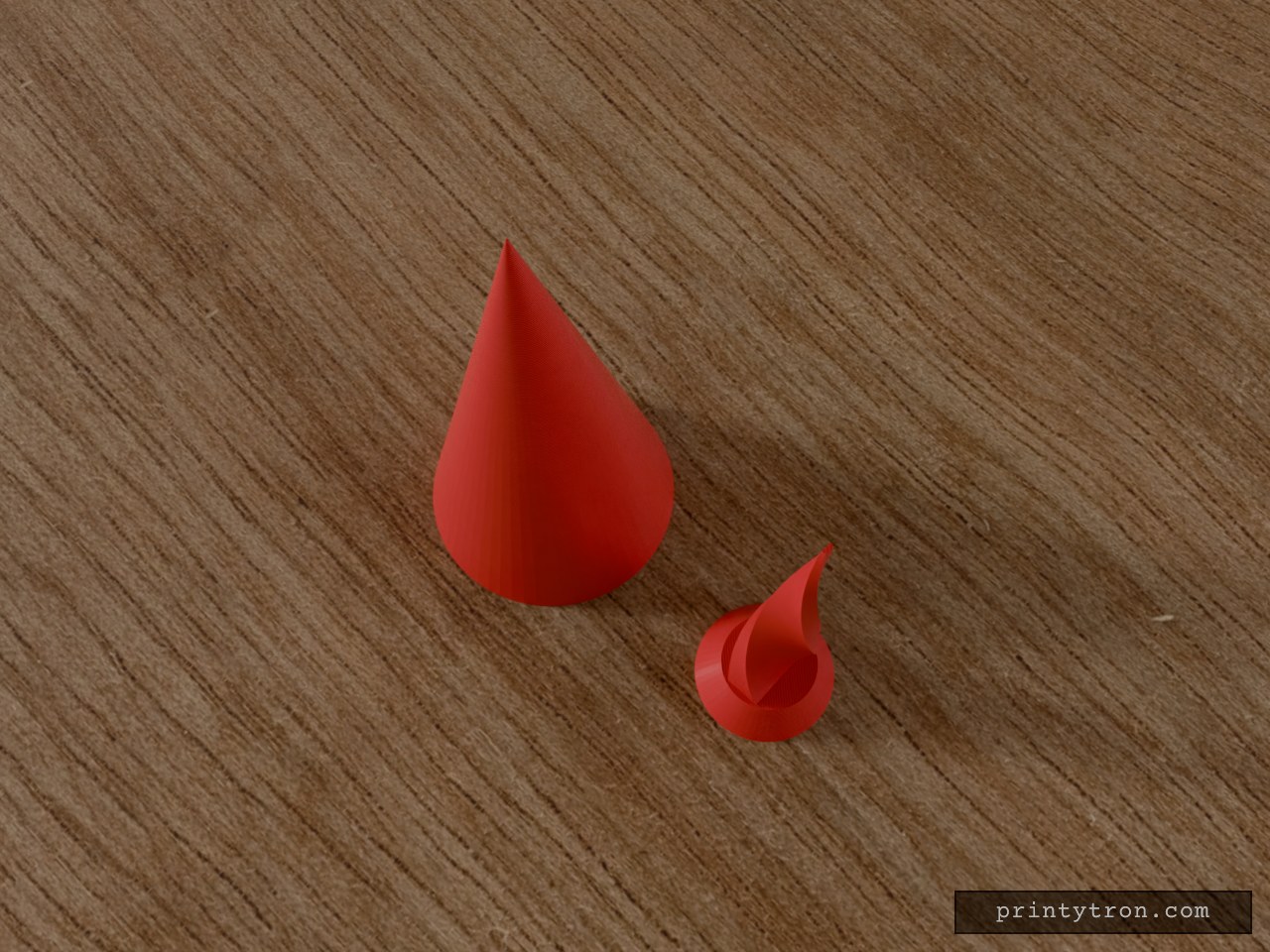
A round-based pyramid block with a tapering spiral channel, plus a matching twisted bar that screws into it. Both parts narrow to a point and the twist runs the full height, so the bar's tip follows the spiral all the way up. Remix hooks Twist rate: 3° per mm. Lower it for a gentler spiral, raise it for a tighter one. Bar section: 6 × 14 mm. Thicker bars need a wider block base (44 mm) to keep the walls solid. Clearance: 0.3 mm per side. Tune it to your printer. Tip taper: the bar narrows to 10% of its section over 62 mm. A sharper or blunter point is a one-number change. Pairs with: print both parts base-down; a plain round tray makes a nice display stand.
Three-Channel Fusilli Pass-Through Box without door
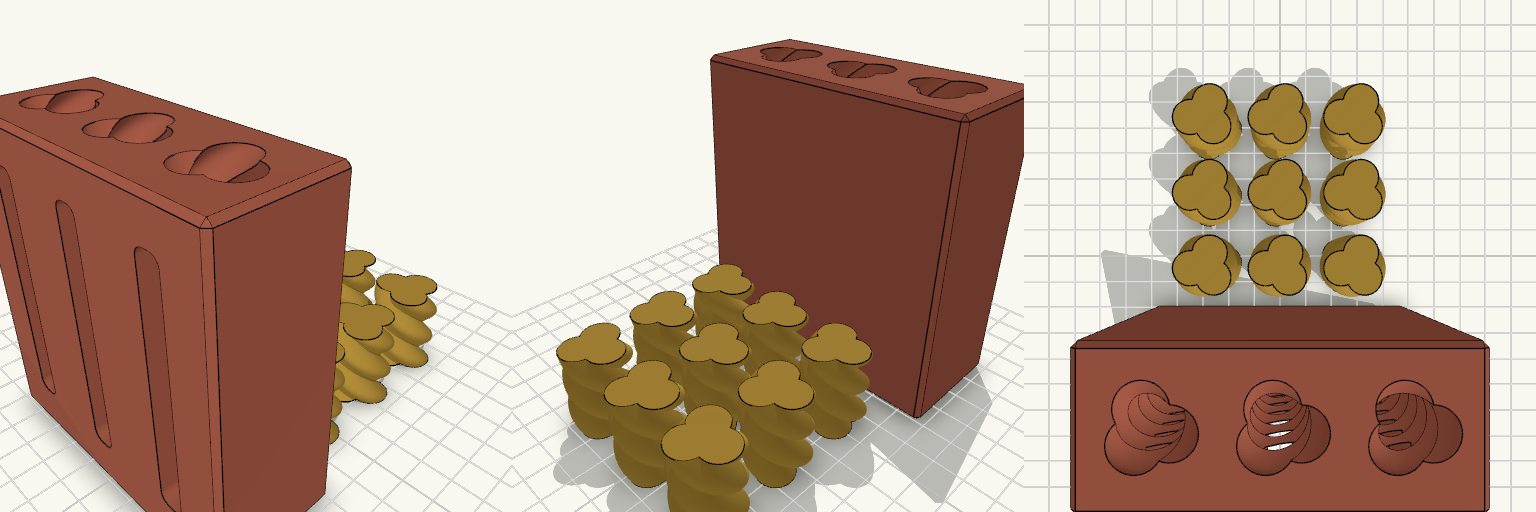
A 96 × 40 × 100 mm box with three full-height twisted channels. Each channel holds three stacked 28 mm fusilli pieces that screw down the spiral and drop out through a sliding door in the base. Narrow 8 mm viewing slits on the front show the pasta riding the spiral without letting it out. Remix hooks Pieces per channel: three at 28 mm with 1 mm gaps. Change the piece length or count to fill the channel differently. Twist rate: 10.8° per mm. Lower is a lazier spiral, higher is tighter. Pasta and channel must share it. Clearance: 0.5 mm around the pasta. Adjust to suit your printer. Slit width: 8 mm. Widen it for a better view, but keep it narrower than the pasta. Pairs with: a crank or knob on the pasta tops, or a stop on the door.
Toroide con caja abierta de 5,2 mm
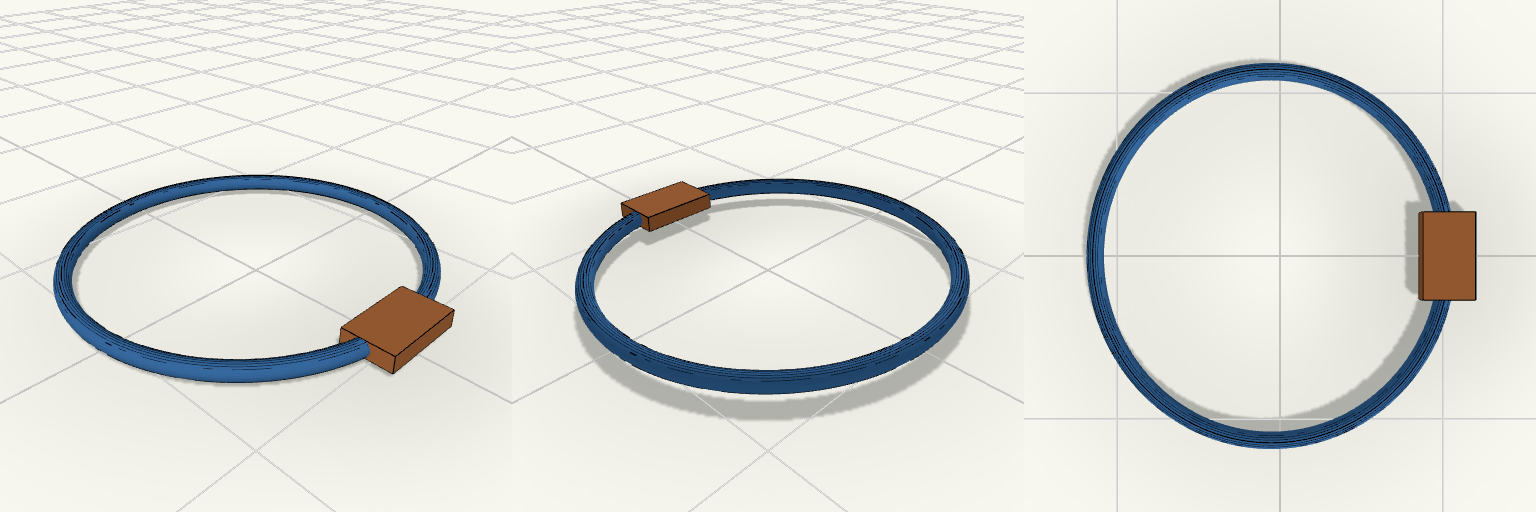
Un toroide ovalado hueco con una caja abierta integrada en el lateral +X. El anillo mide 21,7 mm en X y 23 mm en Y, y el tubo tiene 2,8 mm por fuera con un canal interior de 1,2 mm, suficiente para pasar un cable de 1 mm sin forzarlo. La caja mide 5,2 mm de largo por 3,1 mm de ancho y 2,8 mm de alto, igual que el tubo, con paredes de 0,8 mm y el fondo interior a 0,8 mm, justo donde el canal desemboca en la cavidad. El tubo no atraviesa la caja: se corta en sus dos lados en Y y el canal se abre hacia el interior, de modo que la caja hace de cámara entre una entrada y una salida. La pieza se apoya en Z = 0 con la abertura de la caja mirando hacia la cama de impresión, así que probablemente necesite soportes o un primer nivel bien ajustado. Todo se imprime como una sola pieza. Puntos para remezclar Toroide: la elipse de 21,7 × 23 mm es la restricción de tamaño; el tubo exterior de 2,8 mm es una elección, y es lo que permite el canal de 1,2 mm con pared de 0,8 mm. Si quieres un canal más ancho o más justo, mueve el diámetro exterior antes que la elipse. Caja: parte de 5,2 × 3,1 × 2,8 mm, con paredes de 0,8 mm y fondo interior a 0,8 mm. Largo y ancho son libres; el alto está atado al del tubo. Engrosa el fondo si buscas resistencia. Entrada y salida: el canal se corta en Y a ambos lados de la caja. Cambia la posición de esos cortes o el recorrido para que la cámara quede más centrada o más discreta. Orientación: la pieza va girada con la abertura hacia la cama. Volver a girarla mejora el primer nivel pero deja la cavidad mirando arriba, con lo que la cámara necesita soportes por otro lado; elige según tu material. Variantes: mueve la caja alrededor del anillo, duplícala en el lado opuesto o añade una tapa. Conserva la proporción 5,2 × 3,1 mm si quieres que la cámara mantenga su escala. Combinaciones: funciona como colgante geométrico, llavero o pieza de exhibición, y la cámara con paso de cable invita a convertirla en contenedor pequeño o en guía para un cordón.