Description
Presenting TriStance, a cleanly proportioned desktop picture frame designed specifically for standard 6x4 inch photographs. Engineered for straightforward flat printing, the frame integrates a generous viewing border with a fold-out triangular leg, allowing it to stand independently on any desk or shelf without the need for wall-mounting hardware.
Dimensions
- Overall Size: 200 x 150 mm
- Photo Aperture: 150 x 100 mm (Fits standard 6x4" prints)
- Border Width: 25 mm on all sides
Features
- Desktop Ready: Includes a specialized triangular leg on the reverse for stable free-standing display.
- Minimalist Aesthetic: A simple, flat geometry that keeps the focus entirely on the photograph.
Photos
Technical views
More like this
Explore more in Desk & Tech →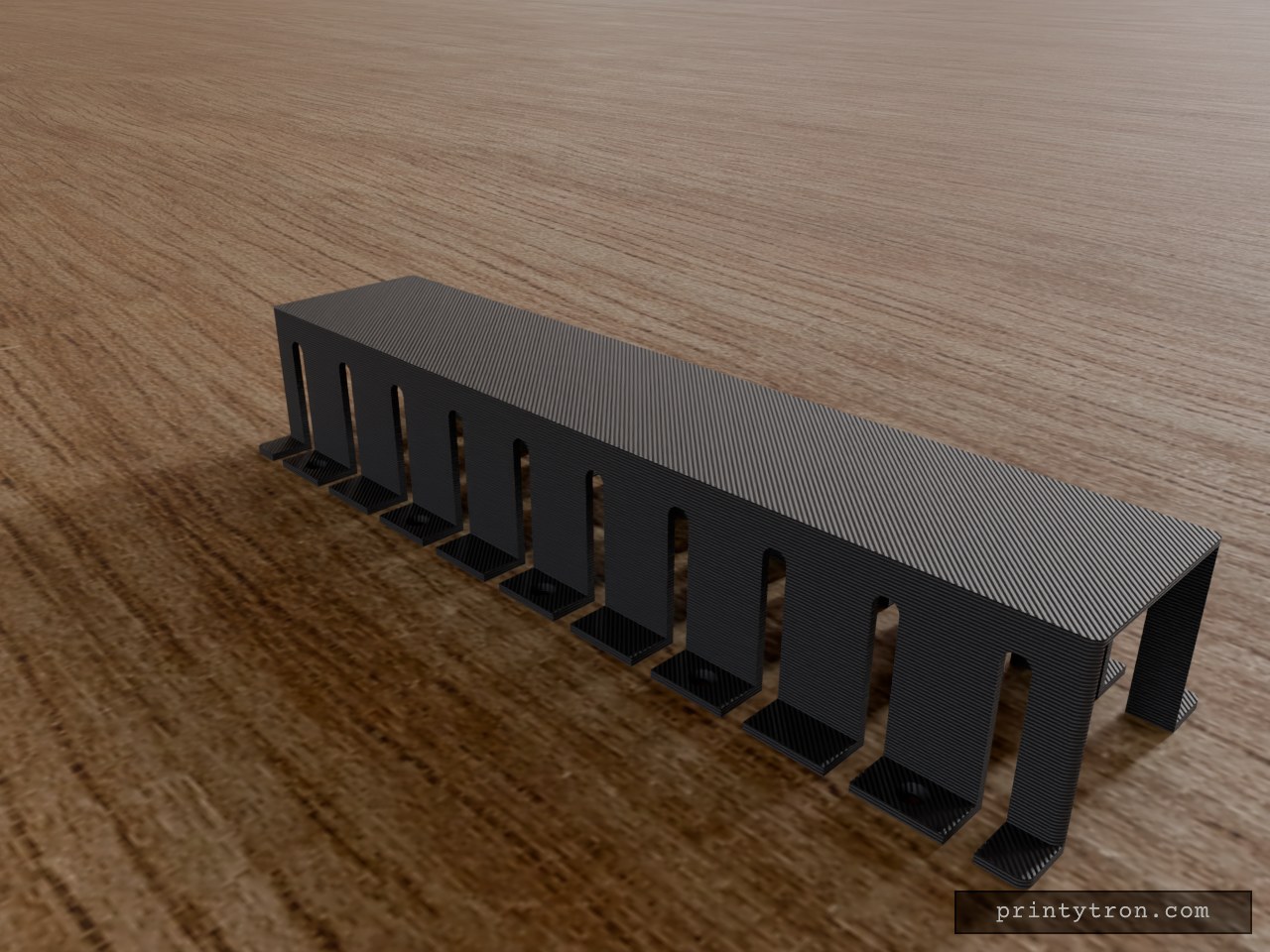
Slotted Under-Desk Cable Tray
What it's for Designed to mount directly to the underside of a desk to hold a power strip and bundle loose cables, clearing floor hazards. The open U-channel features vertical slots along both long edges, allowing cables to drop in from above and providing anchor points for hook-and-loop straps to lash down the strip. Prints flat on its back without supports. Dimensions Overall footprint: 350 x 100 x 60 mm Inner channel capacity: 350 x 64 x 57 mm Cable slots: 8 mm wide, 45 mm deep, spaced at 35 mm intervals Mounting: 10 countersunk screw holes positioned along the outer flanges Remix ideas Adjust the overall length to match specific power strips or desk spans. Widen the side slots to accommodate heavy-gauge monitor cables or display connectors. Increase the wall thickness to support heavier power supplies and transformers.
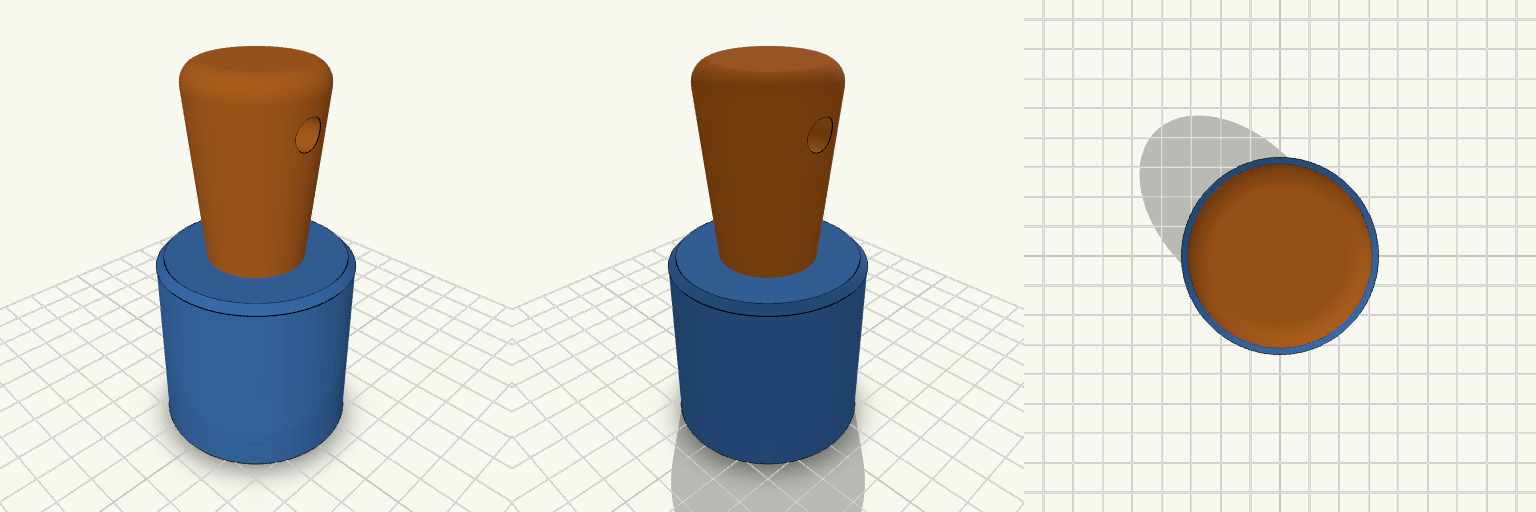
Oversized Bureaucratic Desk Stamp
A massive, monolithic pressing base capped with a classic flared grip. It has the proportions of heavy bureaucratic machinery, built to lay down serious, even pressure across a large surface. Press Details Base Dimensions: 4-inch diameter footprint by 2 inches thick. Handle: Gently flared vertical grip with a rounded top for comfortable palm pressure. Edges: Lightly chamfered base prevents elephant's foot and avoids marring whatever is being pressed.
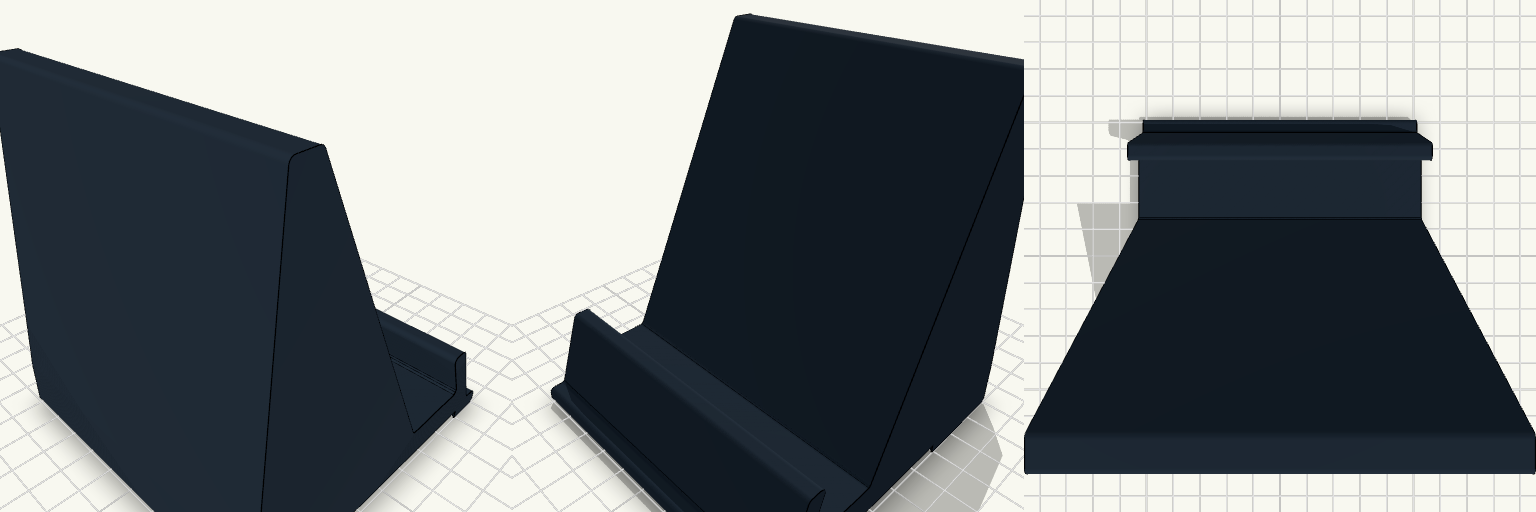
Oversized Desk Device Stand
An oversized, stable desktop stand designed for larger devices. It uses a thick, continuous profile with a wide footprint and a deep front cradle to keep heavy hardware from tipping backwards. The underside is channeled out to ensure the stand rests securely on its front and back edges without rocking. Remix Variables Total Width: Currently 100 mm. Drop this to 60 mm if you want a slimmer profile, or stretch it to 150 mm for a massive tablet. Backrest Height: Reaches 110 mm off the desk. You can lower the rear profile points if your device sits fine on a shorter spine. Cradle Gap: Set at roughly 24 mm to accommodate thick cases or ruggedized hardware. Pull the inner cradle coordinates forward if you need a tighter grip on bare devices.
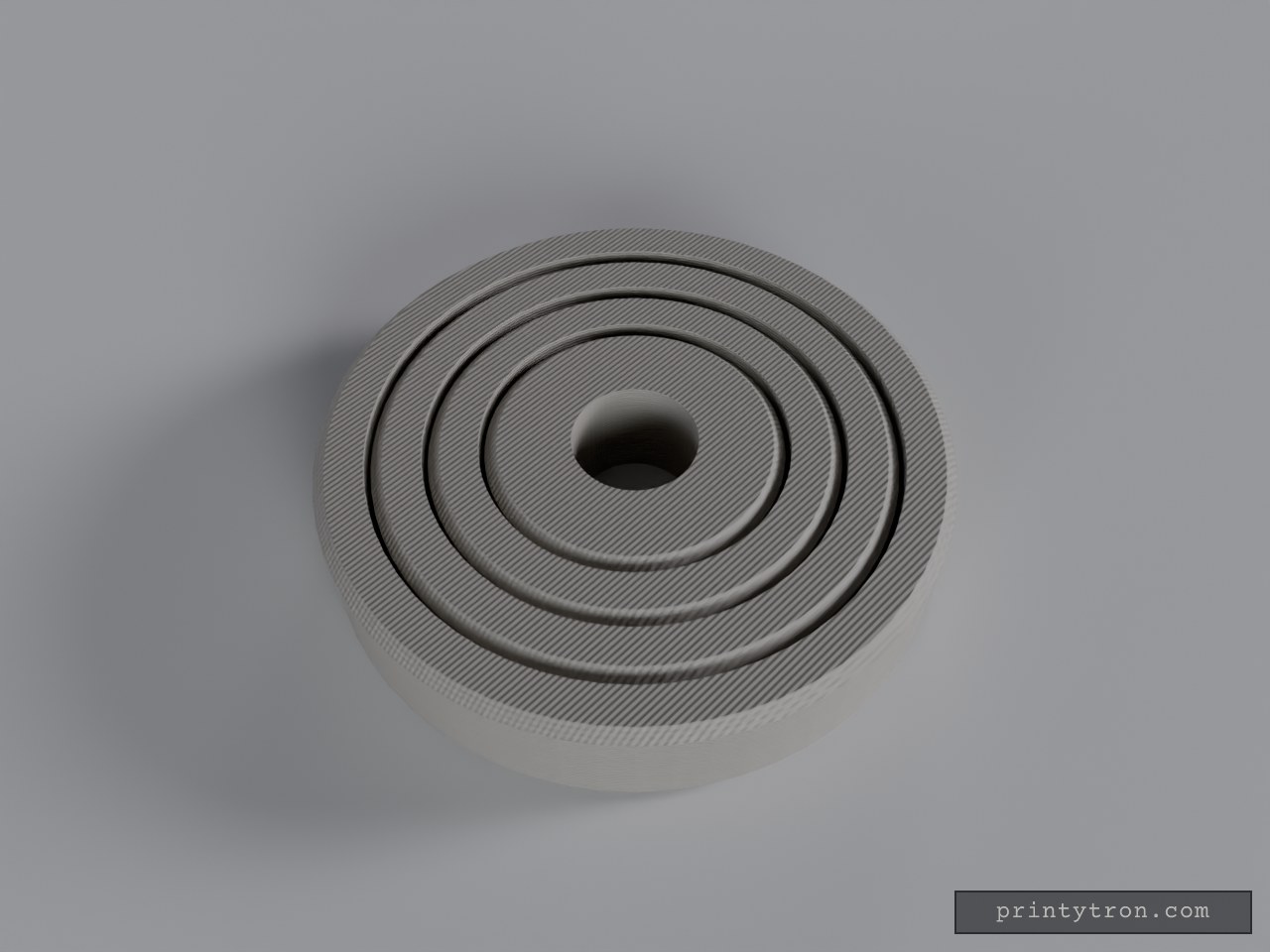
Print-in-Place Desk Gyro
Idle hands end up disassembling pens or clicking loose hardware, which drives everyone else in the room crazy. This is a quiet, self-contained fix. Four concentric rings spin freely inside each other on tiny internal pivots, printed fully assembled as one part. Tolerances and Print Details Gaps: 0.4mm clearance between each ring prevents fusing. Pivots: 0.5mm radial clearance on the pins to keep them spinning smoothly once cracked loose. Overhangs: The pivots use a diamond profile to grow out at 45 degrees, requiring zero supports. Pop it off the plate, snap the axes loose, and you're good.
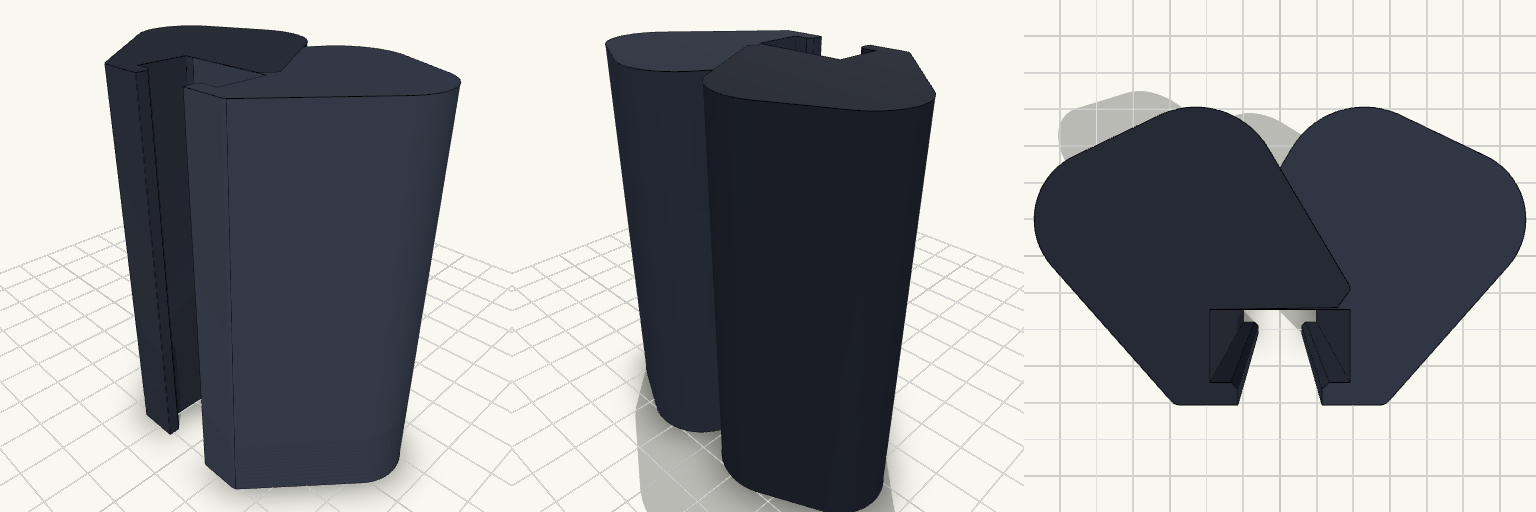
Manta Contour Console Grips
Echoing the sweeping, organic lines of marine life, these bionic-contoured grips transform a rigid, slim handheld into a natural extension of the hands. The bulbous outer shell fills the empty space of a relaxed grip, completely banishing the cramped claw-hand fatigue of marathon sessions. A precision-channeled core seamlessly bites onto the edges of the device without crowding the action. Design Specs The Swell: Sweeps 25mm outward from the console body to fully support the lower palm. The Fit: Parallel channels lock cleanly over a 10mm chassis edge, utilizing lead-in chamfers for a smooth, scrape-free slide. The Clearance: A minimalist 4mm front lip ensures thumbs never collide with the plastic while reaching for the D-pad. The Fabrication: Symmetrical vertical extrusions designed to sit flat on the build plate without requiring supports.
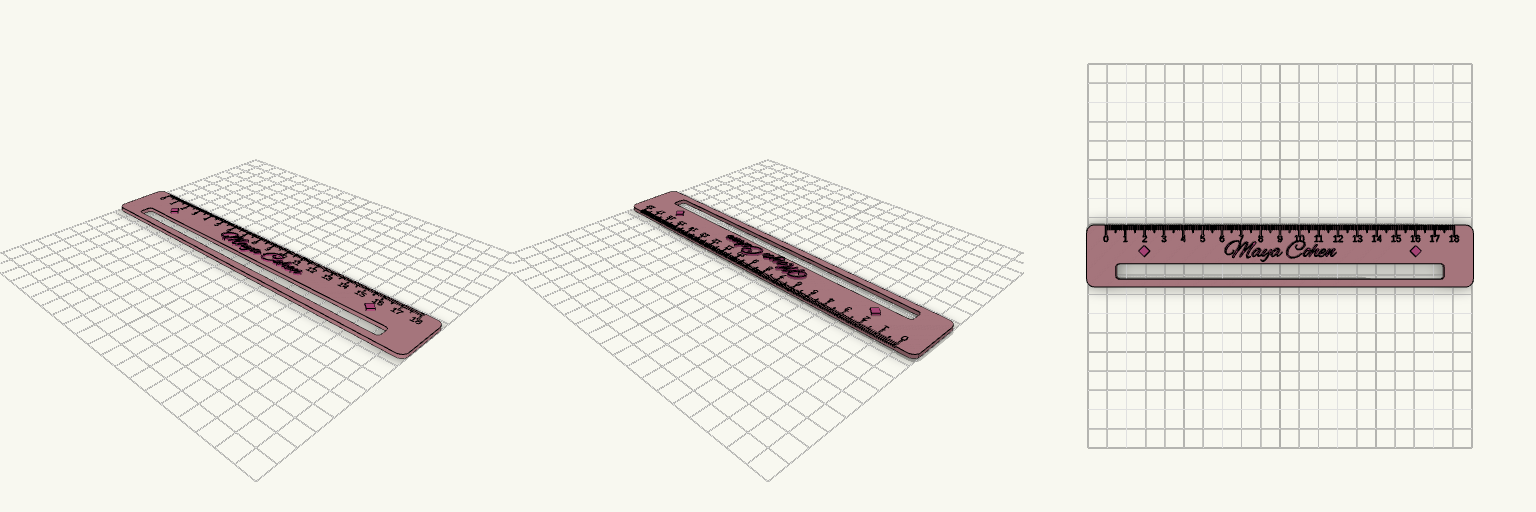
FocusLine — Reader Aid Ruler
A low-profile reader aid and metric ruler designed to block out surrounding text on standard A4 pages, keeping focus on a single line. Features Reading Window: 170mm wide slot precisely sized for A4 documents. Metric Ruler: 18cm top edge with 1mm increments for quick measurements. Personalized: Raised name plate with elegant diamond accents. Print Notes Prints perfectly flat with no supports required. Add a filament swap at 2.0mm to highlight the text and accents against the base.