GC9A01 Touch Display Housing
Created today
Description
A custom circular enclosure for the GC9A01 1.28-inch round display module. Designed to encapsulate only the display and its PCB, leaving the internal cavity entirely open for custom battery and ESP32 layouts.
- Front Face: Solid circular window (Ø32.4 mm) perfectly matching the active screen area, with an internal lip.
- Internal Volume: 25 mm depth with a hollow core for custom electronics.
- Connections: Integrated Type-C port cutout on the bottom edge.
- Touch integration: A hidden 24 mm circular pocket in the back lid for a capacitive touch sensor, featuring an adjustable 0.8 mm testing membrane.
Photos
Technical views
More like this
Explore more in Desk & Tech →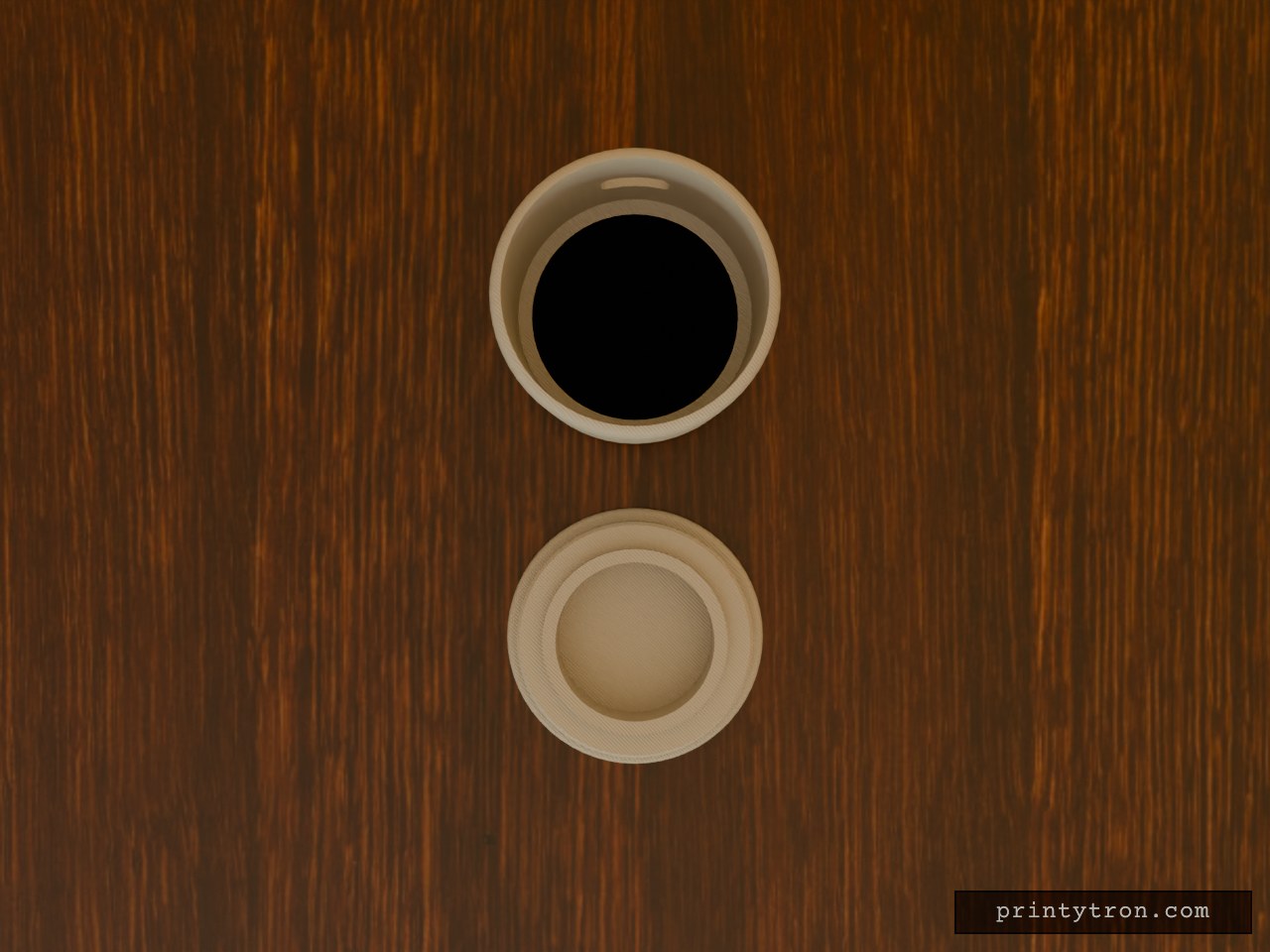
GC9A01 Touch Display Housing
A custom circular enclosure for the GC9A01 1.28-inch round display module. Designed to encapsulate only the display and its PCB, leaving the internal cavity entirely open for custom battery and ESP32 layouts. Front Face: Solid circular window (Ø32.4 mm) perfectly matching the active screen area, with an internal lip. Internal Volume: 25 mm depth with a hollow core for custom electronics. Connections: Integrated Type-C port cutout on the bottom edge. Touch integration: A hidden 24 mm circular pocket in the back lid for a capacitive touch sensor, featuring an adjustable 0.8 mm testing membrane.
SafeSuit Pro Controller Housing
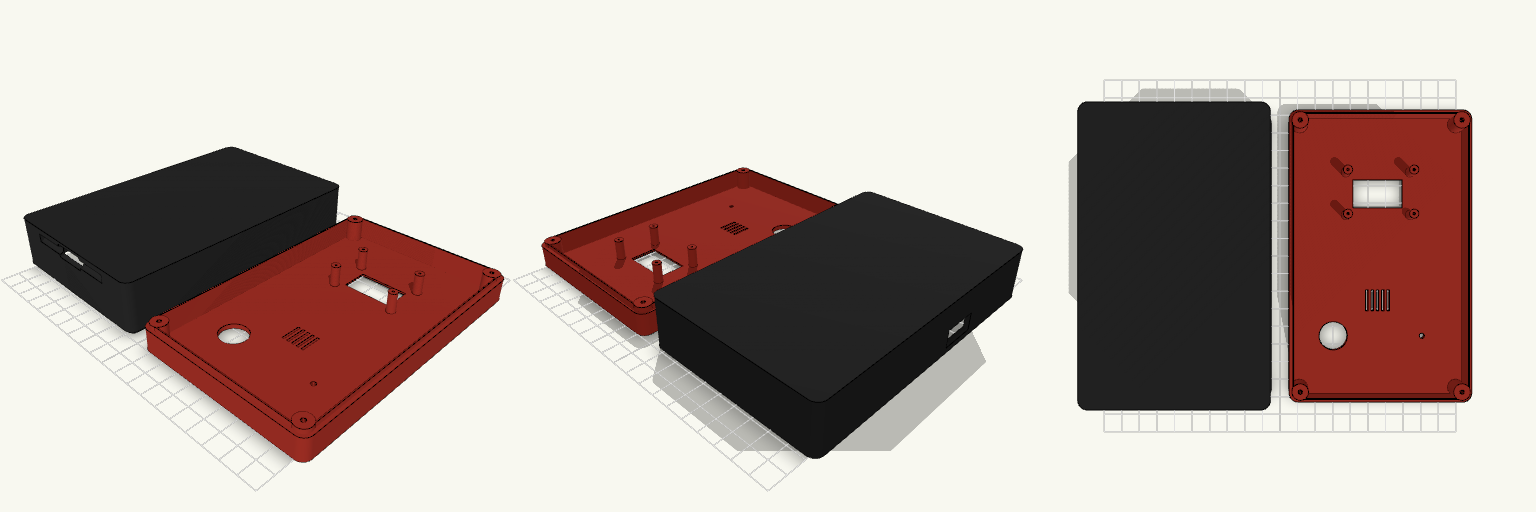
A loose development board is just a short circuit waiting for a metallic desk. This is a heavy-duty, two-piece wearable housing designed to bolt an ESP32 and LoRa radio down tight, run the cables clean, and put the interface exactly where you can hit it blind. Assembly Clearances Dimensions: 160 × 100 × 45 mm assembled. Screen: 28×16 mm inner cutout with a 32×20 mm outer recess for a flush bezel (fits standard 0.96" I2C OLEDs). Fasteners: Eight 2.5mm ID corner bosses ready for M3 tapping, completely blind from the front face. Printing: Both halves sit flat on the bed. Flip the front cover 180° in your slicer to print face-down without supports.
CareProof V1 Sensor Enclosure
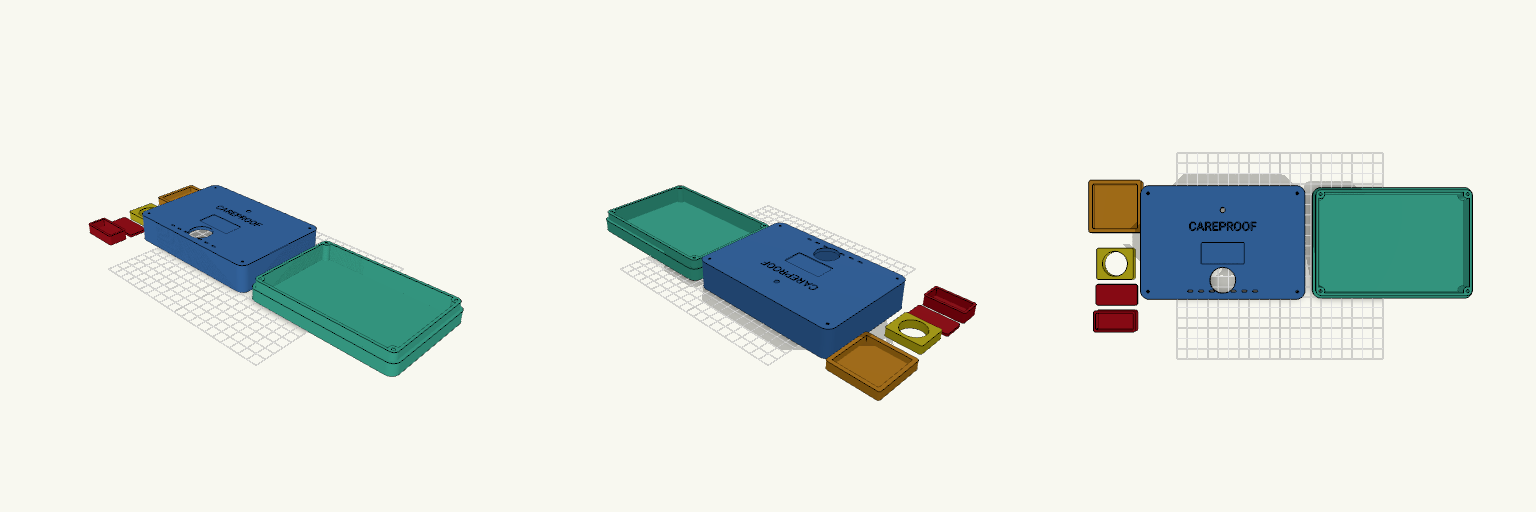
A complete modular enclosure system designed to house the components of the CareProof V1 tracking and monitoring node. The main chassis splits into a generous front housing and an overlapping rear cover, securely fastened with M3 corner screws to provide easy access for wiring adjustments. Included Components Front Housing: 152 × 105 × 28 mm primary shell with dedicated cutouts for a status LED, vent slots, a 24 mm PIR sensor aperture, and an embossed tap zone. Rear Cover: Matching backplate with an 8 mm alignment lip and M3 screw interfaces. NFC Bracket: Removable 50 × 50 mm internal sled to hold a PN532 module directly against the front face. PIR Bracket: Basic 35 × 30 mm retention plate for the motion sensor. Door Sensor Unit: Separate two-piece 40 × 20 mm enclosure designed to hold a standard magnetic reed switch on the client's door.
Folding Flat-Pack Name Tag
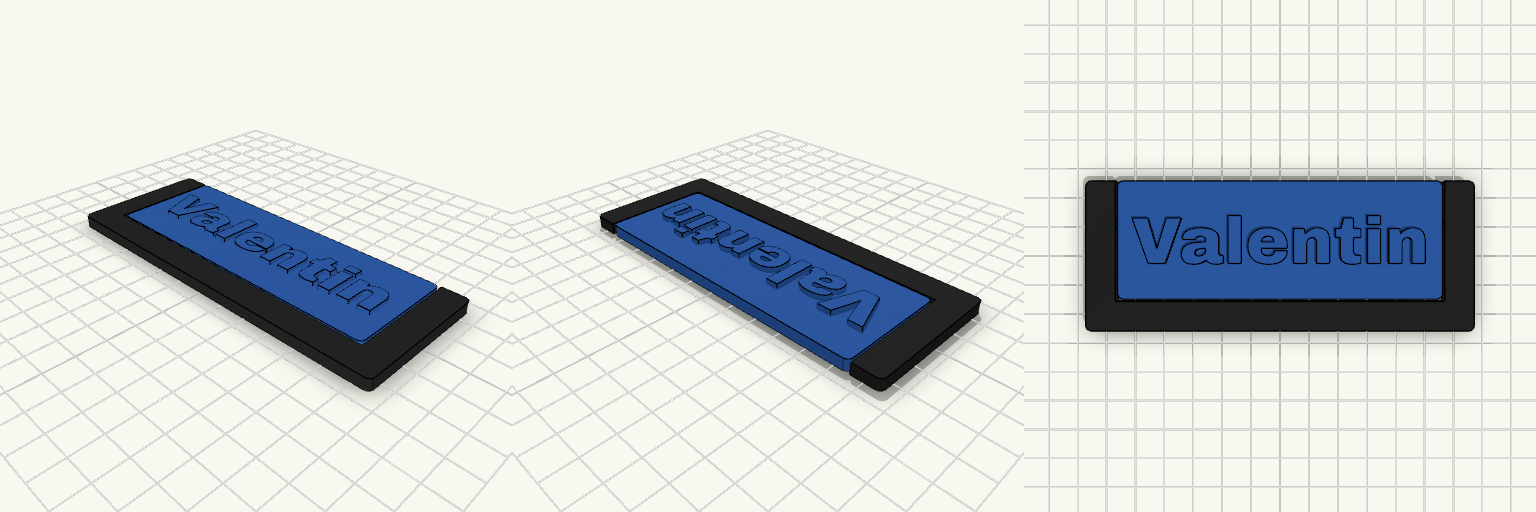
A print-in-place desk plate that prints entirely flat and features an integrated hinged kickstand. Designed for easy setup, the outer frame swings backward to form a stable tripod base. Features of this design: Print-in-place captive hinge mechanism with a 0.4mm tolerance Heavyweight 4mm main card thickness for rigidity Recessed nested geometry allowing it to collapse back into a single flat sheet Embossed typography using Archivo Black for high legibility
Melted Font AirPods Pro Case
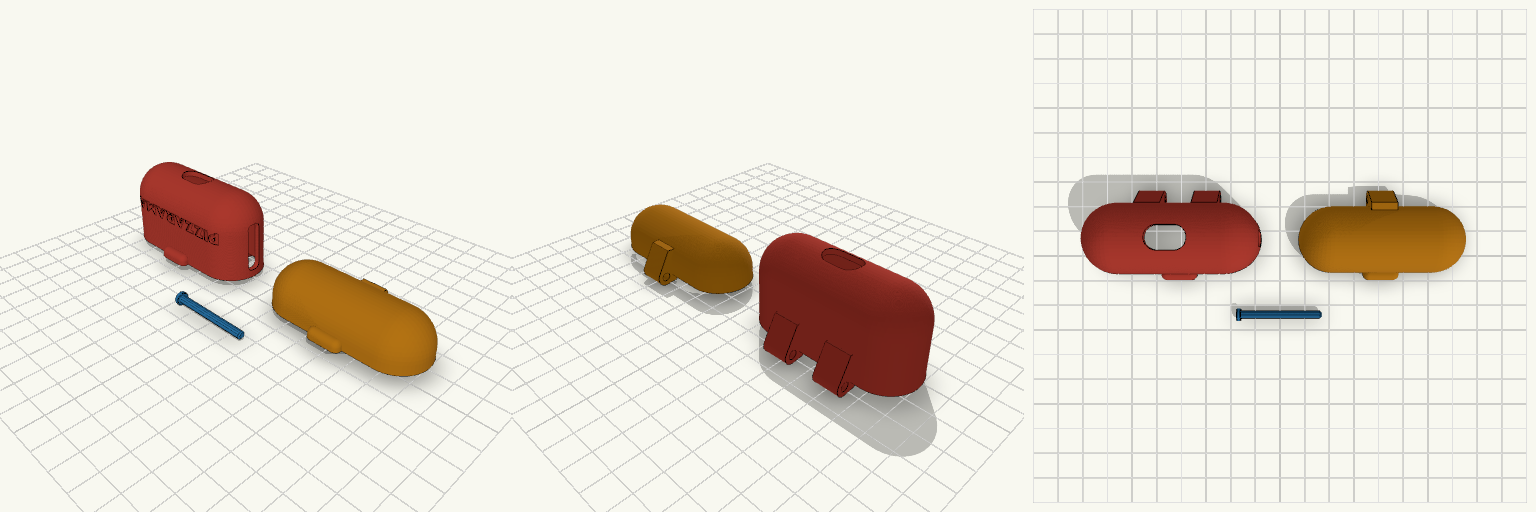
A rugged, 3D-printable AirPods Pro 2 case with custom "PIZZARAMA" lettering styled to look like melted cheese. This two-part shell features a print-in-place hinged back, embedded magnet snaps for a solid closure, and tailored cutouts for the charging port. Remix Hooks Typography: Currently using Rammetto One at 4.5mm size for maximum chunkiness — swap it for something sharp and industrial if you want a different vibe. Magnets: Uses 3mm round magnets in a compact front lip. The housing walls are balanced at ~0.9mm, which is safe for FDM printing. Hinge: Uses a 3mm printable pin. You can scale the knuckle tolerances or sub in a piece of raw 1.75mm filament as the pin if you'd prefer an ultra-low profile hinge.
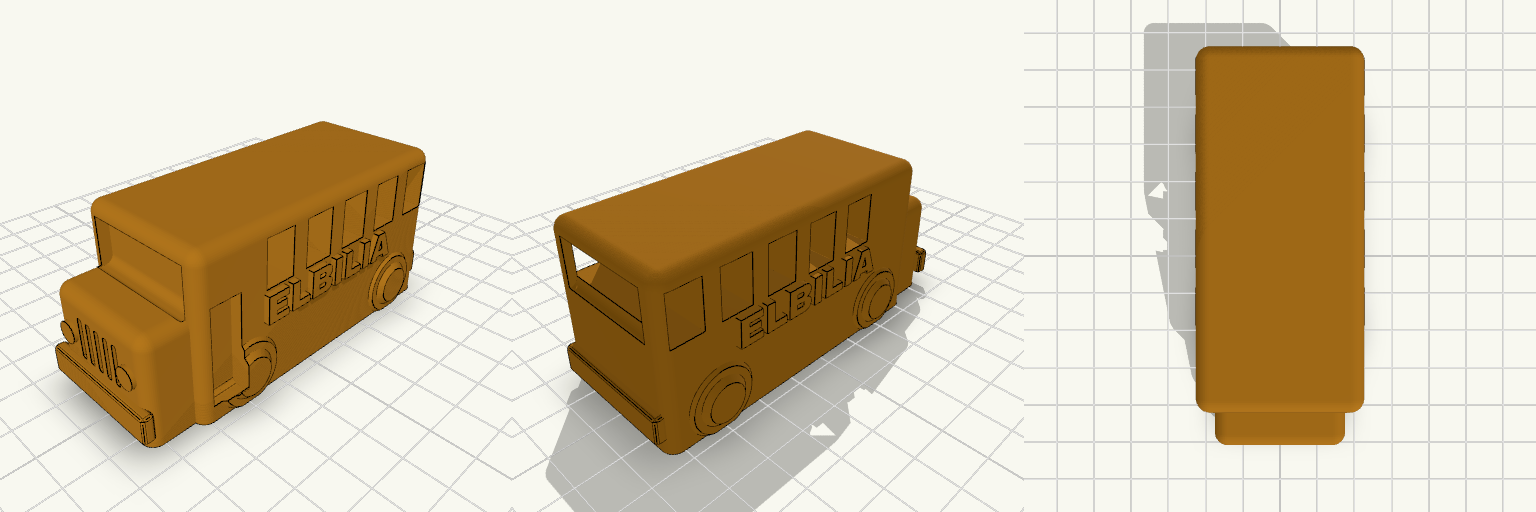
MiniBus Elbilia
A highly stable, monolithic desktop phone stand built entirely for reliable FDM printing. It features a continuous heavy-base profile that resists tipping, an integrated 65-degree resting plane, and a deep front retaining lip. Remix & Mod Hooks Resting Angle: Currently cut precisely at 65 degrees; shifting the top control points can stand the phone up straight for video calls or lay it back for touch typing. Cable Routing: Features an invisible internal bend channel. The 18x15mm pass-through slot is sized for standard USB-C heads, but can easily be widened for thick multi-cables. Base Profile: Built as a single continuous 2D extrusion. Extending the base depth (Y axis) or adding weight-reduction cutouts are trivial modifications for someone looking to save filament or stretch the footprint.