Sci-Fi Identity Disc
Created 4 days ago
Description
A 3D-printable replica of a classic sci-fi identity disc, segmented into distinct parts for multi-colour printing or assembly.
What it's for
Designed as a cosplay prop or a display piece, this disc features an ergonomic grip core and recessed channels that can be printed in contrasting materials to simulate data rings.
Dimensions
- Overall Diameter: 200 mm
- Thickness: 14 mm
- Grip Core Inner Diameter: 85 mm
Print notes
The model is broken into three distinct colour zones (Outer Blade, Inner Core, and Data Rings). For single-extruder setups, you can separate the regions in your slicer to print them individually and assemble them later.
Photos
Technical views
More like this
Explore more in Decor & Display →
Segmented Identity Disc
What it's for A multi-part Identity Disc designed for cosplay, display, or assembly. The main chassis features a continuously tapering mathematically generated sweep, thickest in the middle and curving smoothly down to the outer edge. The inner and outer energy rings are segmented and engineered as separate parts with a 0.3 mm clearance, allowing them to be printed in translucent filaments or contrasting colours before snapping perfectly into the chassis. Dimensions Overall Diameter: 200 mm Center Hole Diameter: 60 mm Max Thickness: 14 mm (at the inner ridge) Print notes Clearances: The energy rings are modeled at nominal dimensions, while the base body channels are cut with a baked-in 0.3 mm offset to ensure a snug fit off an FDM printer. Orientation: Print all parts flat on the bed. No supports should be strictly necessary for the main body if your printer handles shallow overhangs reasonably well.
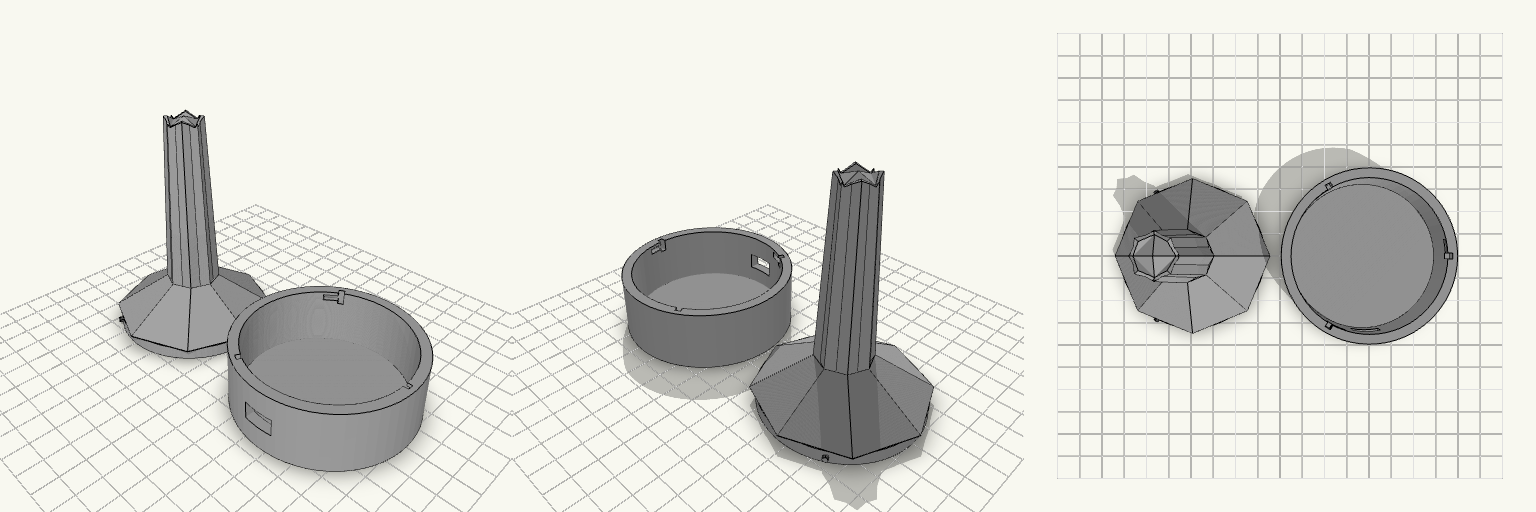
Barad-dûr — Smart Ring Tower
A dark, armored ring holder inspired by the spiked aesthetics of fantasy crowns, designed to securely hold rings from US sizes 6 to 14. Features Tapered Spire: The main column tapers gradually to accommodate a wide range of ring sizes, catching small rings at the top and larger rings toward the base. Internal Sensor Channels: Features two hidden 5mm channels running up the length of the front and right tips, stopping just 0.4mm short of the surface, allowing for concealed sensors. Textured Base: The base flares out dramatically with horizontal armor grooves for stability and style.
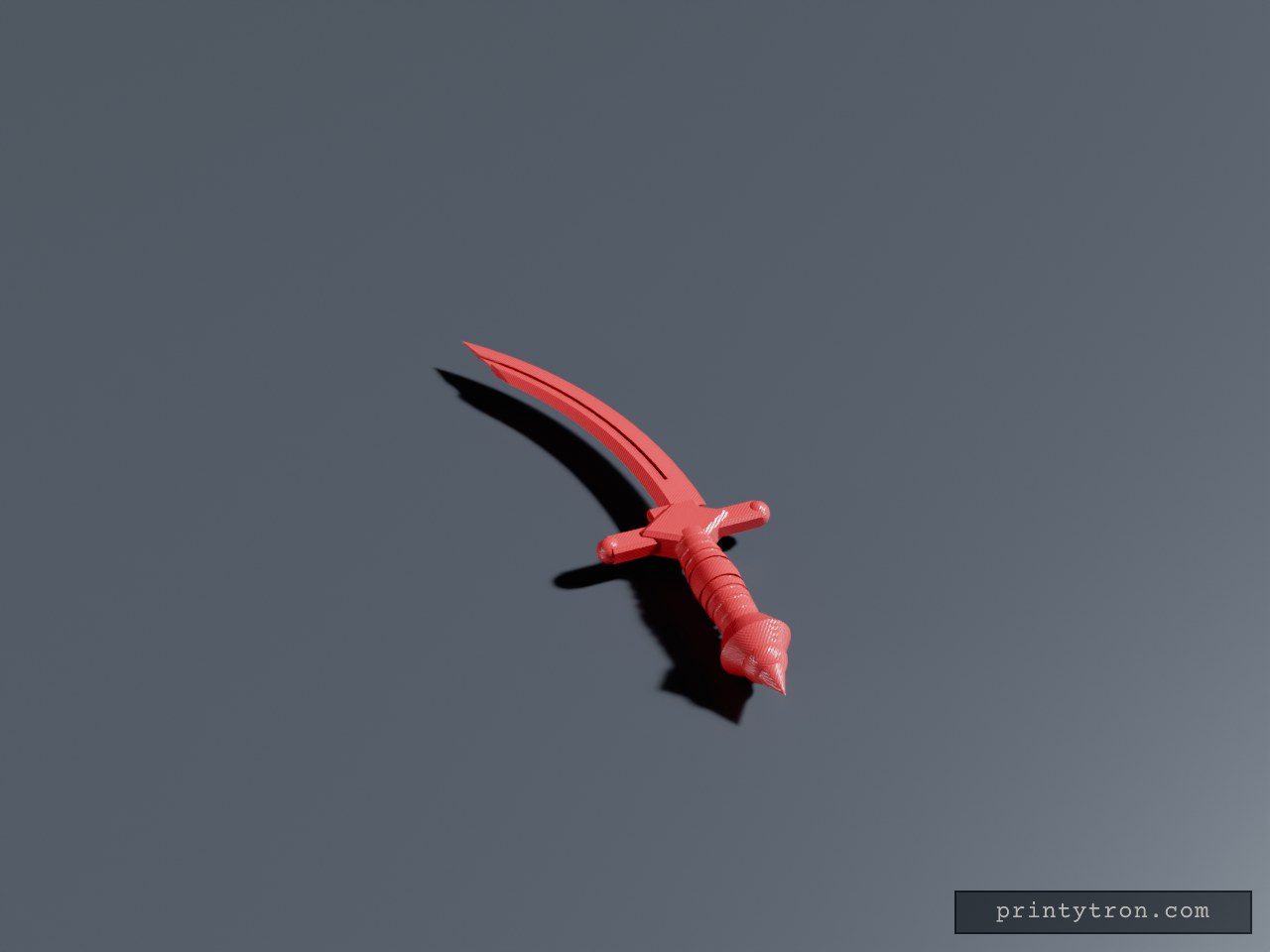
Weathered Scimitar Display Prop
What it's for A desk-sized display piece featuring a heavy scimitar curve, weathered blade damage, and an intricate pommel. Dimensions Overall Length: ~245 mm Blade Thickness: 5 mm at the spine Grip Length: 50 mm Print notes Symmetrical design. If printing on a standard FDM setup, sink it down the Z-axis by 9 mm in your slicer to produce a flat-backed version that prints perfectly with no supports.
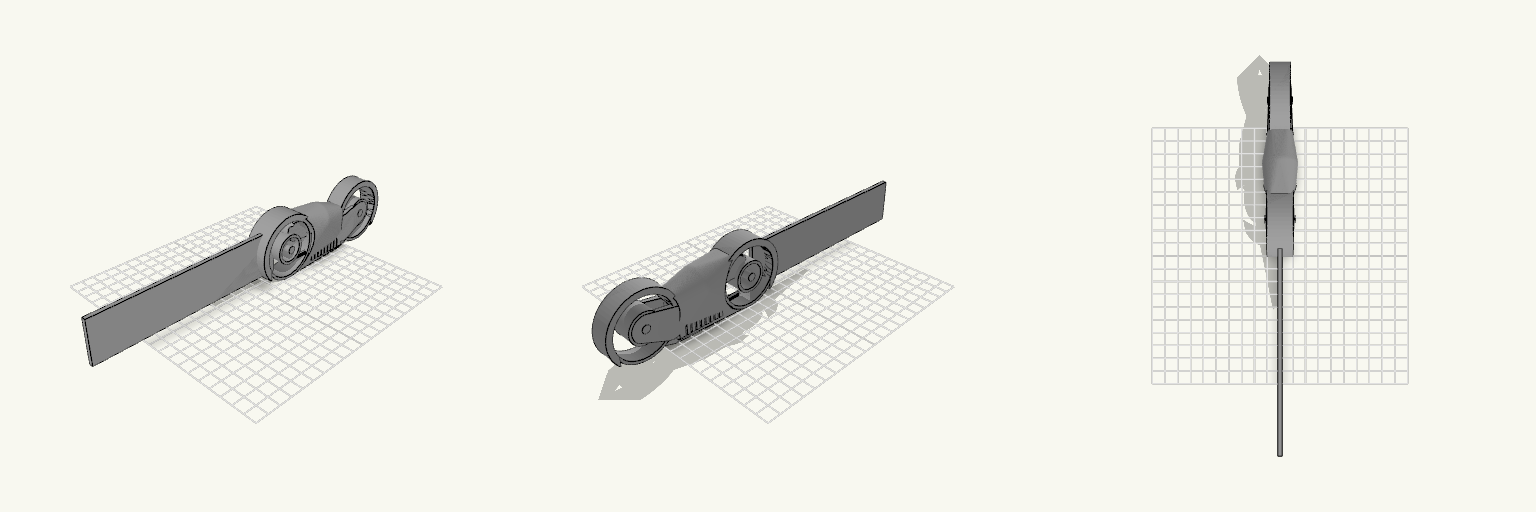
Hovering Desk Light Cycle
Desk objects that tip backward are an instant nuisance. This Light Cycle runs a flat-bottomed low-slung chassis, putting the center of gravity where it belongs and dropping the nose so it plants firmly on a shelf or desk. Print details Dimensions: 26mm x 285mm x 53mm Clearance: Prints fully flat against the bed Assembly: Designed as a single plate print; uses regions to let you multi-color print the light ribbons and canopy in a slicer.
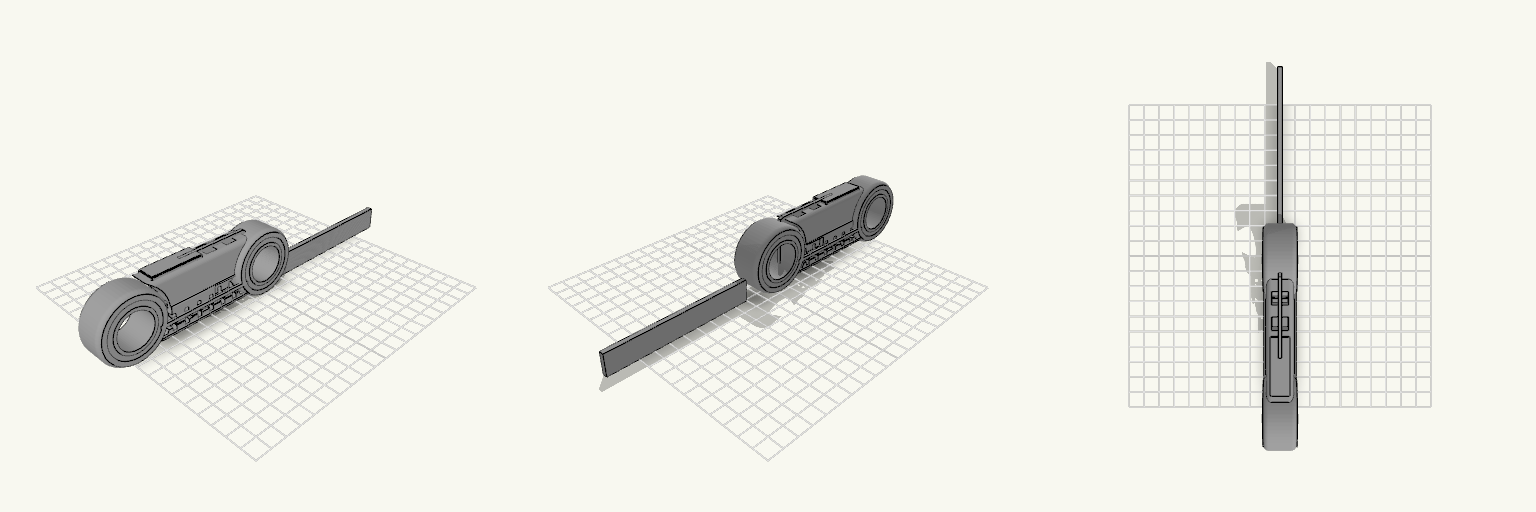
Light Cycle and Stabilizer Trail
A desk-friendly display model of a light cycle. The flat-bottomed hubs keep it planted, and an integrated light trail extends off the rear to serve as a 100mm stabilizer stand so it won't tip over. Fit & Print Details Dimensions: 170 mm total length, 21 mm wide at the wheels, 46 mm high at the canopy. Details: Deep vertical louvers and geometric cutouts along the side fairings break up the flat surface for better display lighting. Printing: The flat base elements mean this sits directly on the build plate. The trail serves as a built-in balance prop.
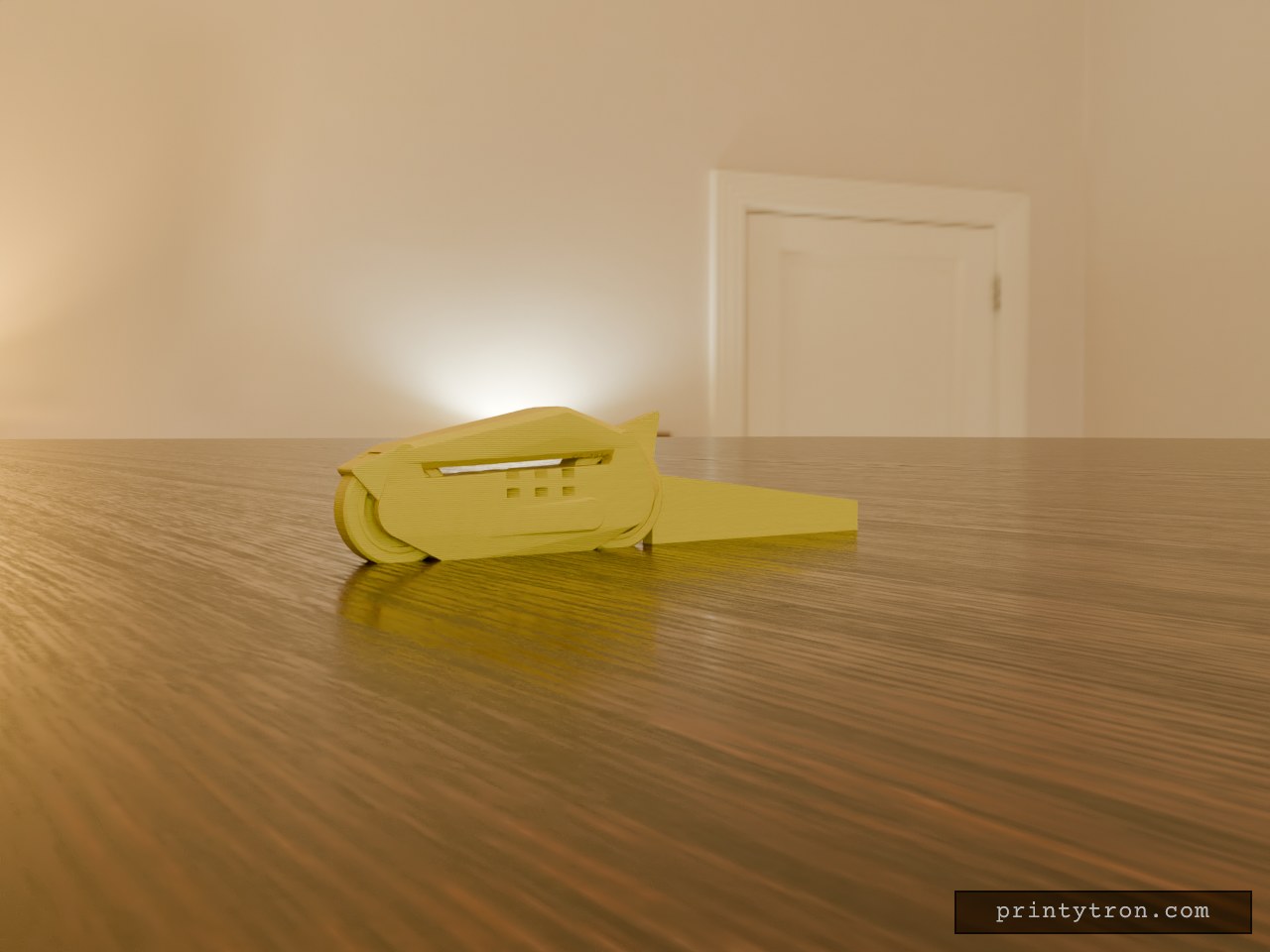
Rinsler — Desk Light Cycle
A stylized desk display piece inspired by vintage sci-fi light cycles. This version features an aggressive front cowl, chevron-sliced side fairings, and a solid neon light stream trailing out from the rear tire. Features Flat Stance: The underside of the chassis and tires are sliced at Z=1.5mm to sit perfectly flush against the build plate without needing supports underneath. Hubless Silhouette: Deep-set, open-core wheels echo classic sci-fi rims. Integrated Stream: The solid light trail serves as both a visual anchor and extra balance for the model. Print Notes Two-color capability recommended to separate the chassis elements from the neon glows and trail. The "Rinsler" stamp is small and obscure — orient the part to catch good cooling, or use a smaller nozzle if you want to hold the fine edges on the lettering.