Split E-Reader Folio Case
Created 1 months ago
Description
A 3D-printable protective case sized perfectly for the PocketBook Touch HD 3.
The e-reader slides into a retaining tray from the top edge. The front cover wraps around the front and snaps onto the side edge of the tray with a friction clasp, keeping the screen fully shielded in transit. Bottom cutouts ensure access to the power button and charging port.
Printing & Assembly
- Separated Plates: The front and back shells are separate objects, so they fit nicely on smaller printers (like an A1 Mini). Just use your slicer's "Split to Objects" function and move one half to a second plate.
- Hinge Pin: Included is a flat-bottomed hinge pin. Slide it through the aligned knuckles once both halves are printed. (Alternatively, a length of 1.75mm filament works perfectly).
- Dimensions: Expect an overall length of 167mm. Tolerances are relaxed (0.5mm) on the hinge to ensure free movement straight away.
Images
More like this
Explore more in Desk & Tech →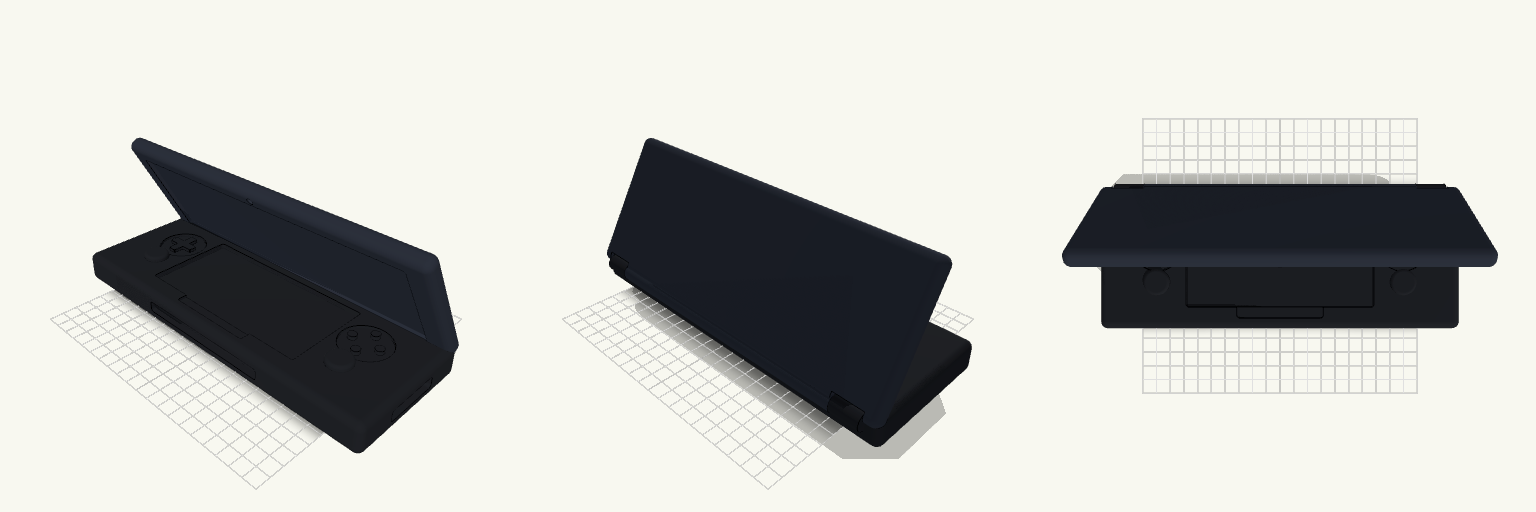
Futuristic Handheld Cyberdeck Enclosure
This enclosure turns standard portable electronics into a futuristic clamshell cyberdeck, styled after classic oversized handheld gaming consoles. The design features: A Lower Deck with a recessed keyboard well, flanked by integrated D-pad, thumbstick, and action button mounts. An Upper Display Shell with a wide screen recess and slim bezels. An integrated barrel hinge mechanism that visually connects the two halves while keeping the closed profile slim and symmetrical. Edge ports and bottom cooling vents designed for FDM printing without bulky overhangs. Print the halves flat on their outer faces. The hinge uses standard 12mm barrel clearances.
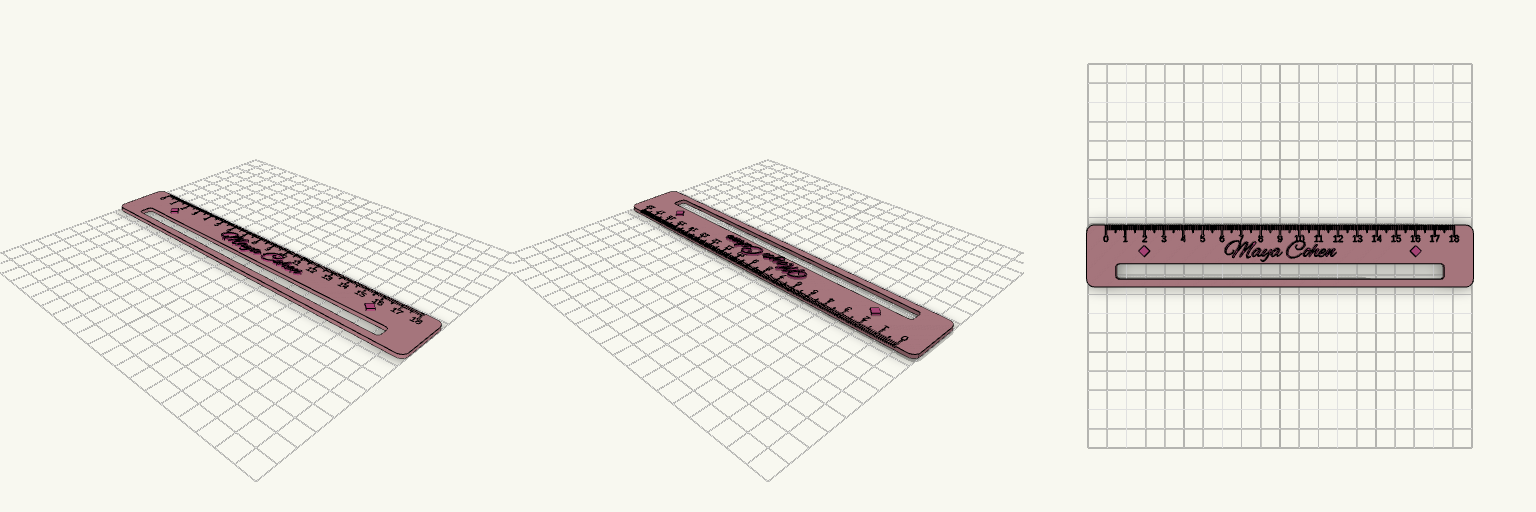
FocusLine — Reader Aid Ruler
A low-profile reader aid and metric ruler designed to block out surrounding text on standard A4 pages, keeping focus on a single line. Features Reading Window: 170mm wide slot precisely sized for A4 documents. Metric Ruler: 18cm top edge with 1mm increments for quick measurements. Personalized: Raised name plate with elegant diamond accents. Print Notes Prints perfectly flat with no supports required. Add a filament swap at 2.0mm to highlight the text and accents against the base.
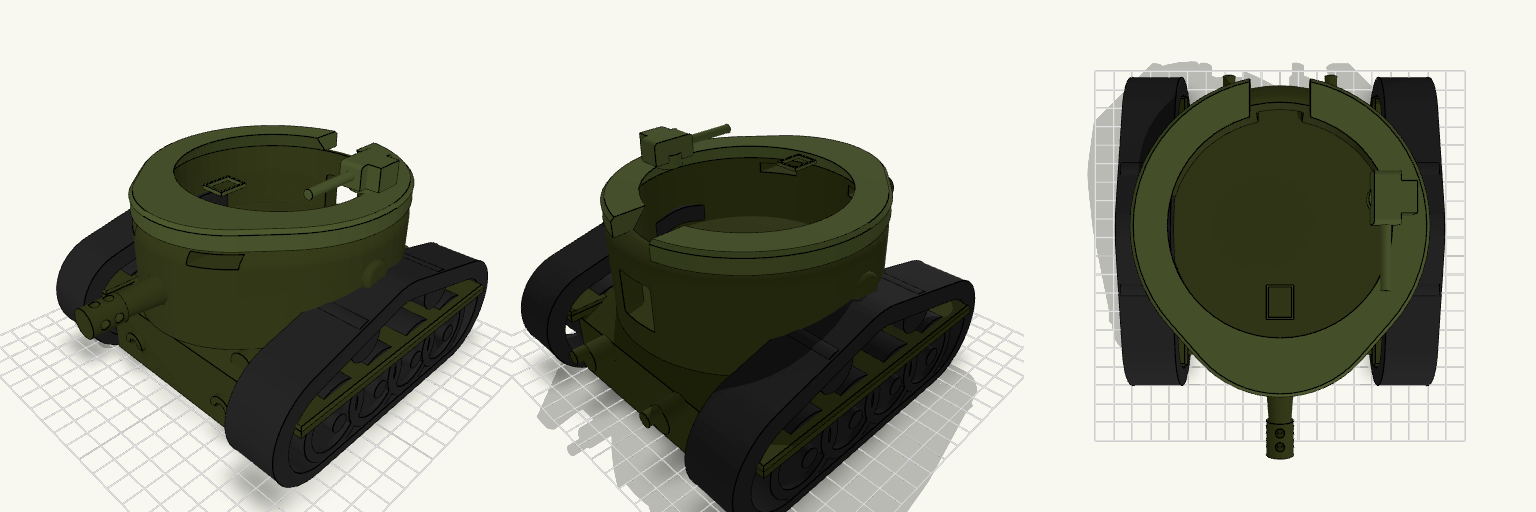
Armored Tank Echo Dot Mount
This heavy-armor dock turns an Echo Dot (3rd Gen) into the turret of a miniature battle tank. The hull and track assemblies form a rugged, heavy-looking base, while the top drops the smart speaker flush into the turret housing. Compatibility: Exactly dimensioned for the 3rd Gen Echo Dot (100.5mm cavity). Wire Routing: Recessed channel out the rear deck clears the power cord. Print Volume: Compacted overall length fits cleanly on 180x180mm beds (like the A1 Mini). Details: Includes vented muzzle brake, road wheels, armor plates, and engine louvers.
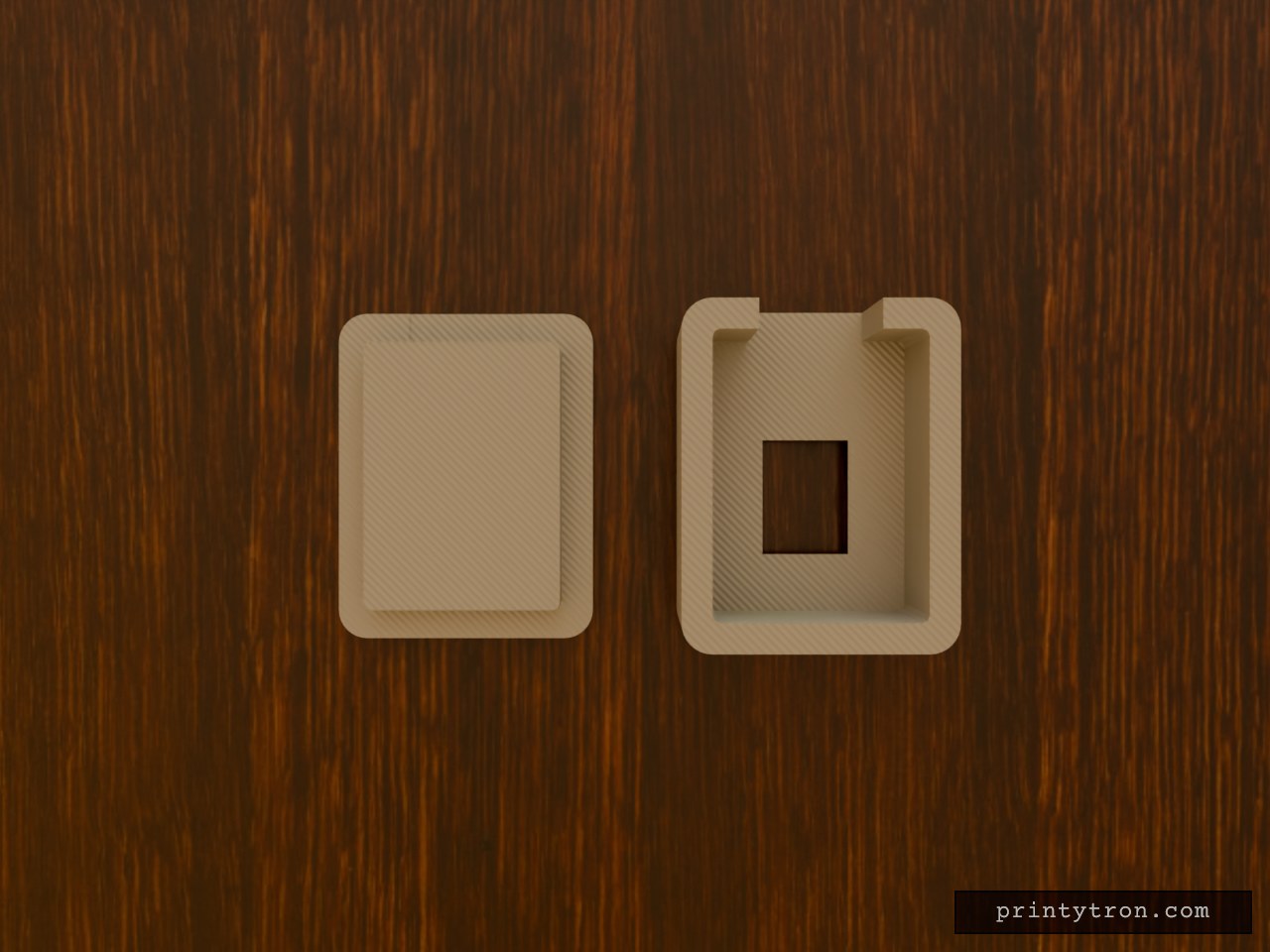
VL53L0X ToF Sensor Enclosure
A compact, two-piece enclosure designed for standard VL53L0X Time-of-Flight breakout boards. It provides full protection for the PCB while maintaining a wide, unobstructed field of view for the optical sensor. What it's for Built to house a downward-facing ToF sensor. The flared aperture prevents the enclosure walls from clipping the sensor's ~25-degree conical field of view, while the flat backplate provides a clean surface for double-sided mounting tape. Dimensions Maximum Board Size: 14 mm × 19 mm (fits standard generic and Pololu breakouts) Internal Depth: 7 mm (plenty of room for direct-soldered wire joints) External Size: 18 mm × 23 mm × 9 mm (assembled) Sensor Aperture: 6 mm × 8 mm at the PCB, flaring out to 12 mm × 14 mm at the exterior Cable Routing: 8 mm wide exit slot on one end Print notes Print both parts flat on the build plate. The main body prints sensor-face down; the internal ceiling spans only 14 mm and will bridge cleanly on any well-calibrated machine without requiring supports. The lid includes a small clearance lip for a gentle friction fit.
Oversized Desk Device Stand
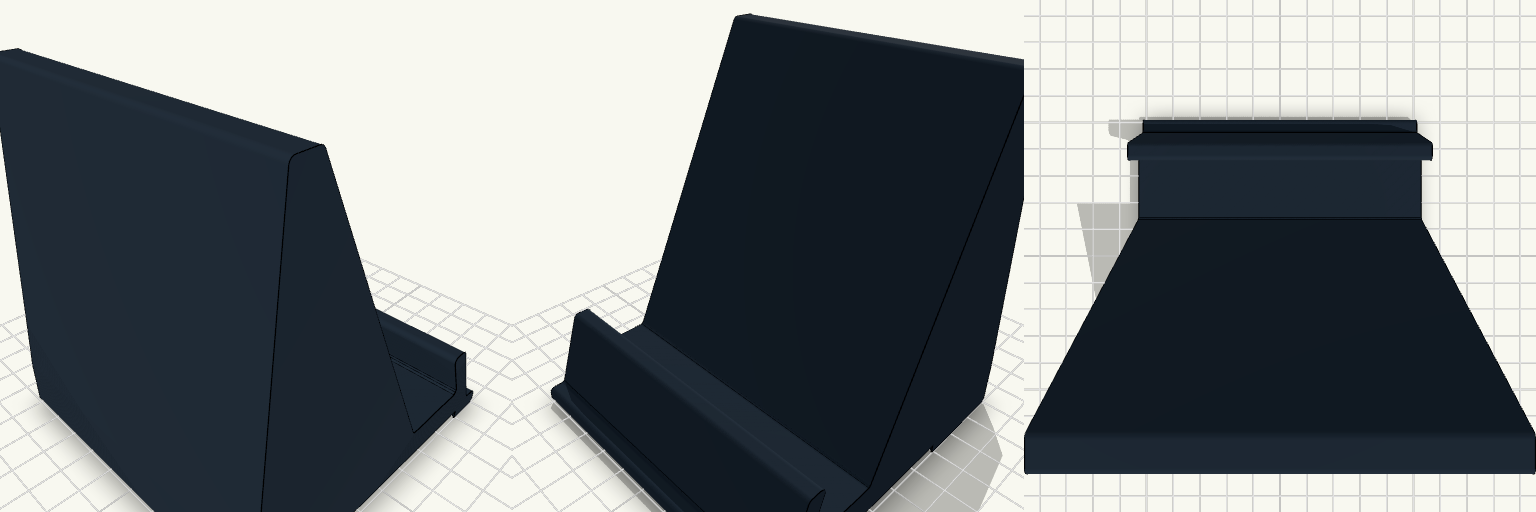
An oversized, stable desktop stand designed for larger devices. It uses a thick, continuous profile with a wide footprint and a deep front cradle to keep heavy hardware from tipping backwards. The underside is channeled out to ensure the stand rests securely on its front and back edges without rocking. Remix Variables Total Width: Currently 100 mm. Drop this to 60 mm if you want a slimmer profile, or stretch it to 150 mm for a massive tablet. Backrest Height: Reaches 110 mm off the desk. You can lower the rear profile points if your device sits fine on a shorter spine. Cradle Gap: Set at roughly 24 mm to accommodate thick cases or ruggedized hardware. Pull the inner cradle coordinates forward if you need a tighter grip on bare devices.
Samsung S24 Case Blank (ITAY)
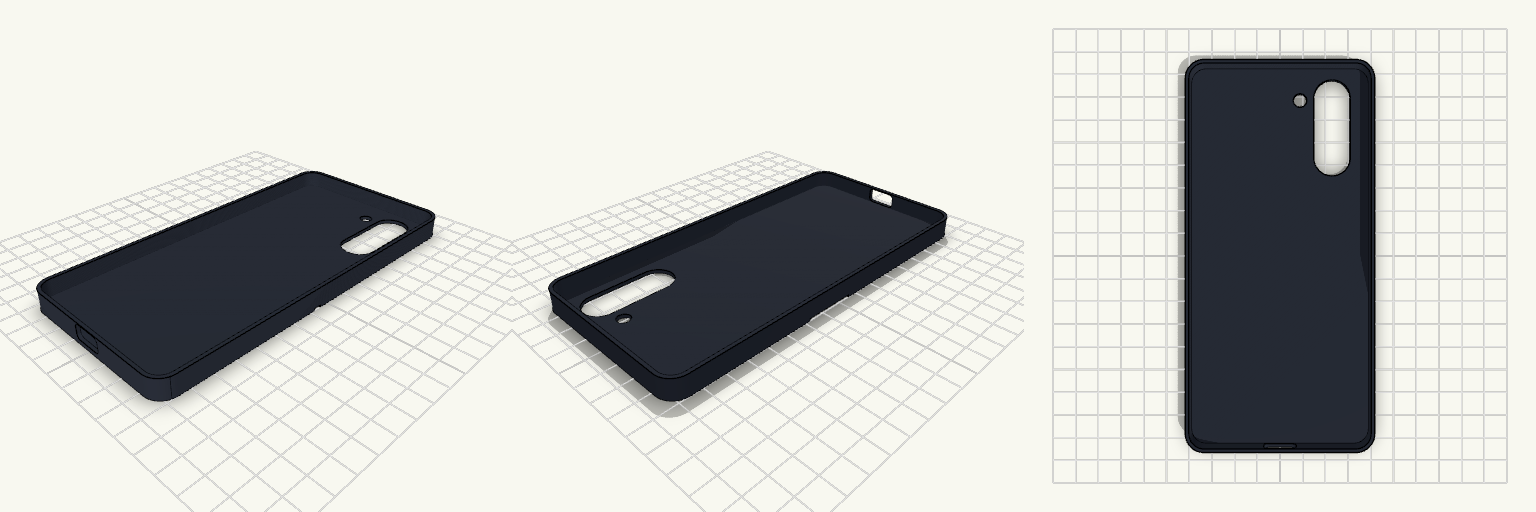
Standard phone case blank featuring a custom typography deboss on the rear face. Fits: Standard modern handset blank (currently S24 dimensions) Customization: "ITAY" carved 1.2mm deep into the back plate using Pacifico script Orientation: Text is mirrored in the design file so it reads correctly when viewing the outside back of the printed case. Check your specific handset dimensions before printing, as this uses a baseline placeholder footprint.