Steam Deck Tabletop Cradle
Created 6 days ago
Description
A solid tabletop stand designed to securely cradle a Steam Deck at a 60-degree viewing angle for hands-free play. The geometry supports the handheld securely by its lower grips, keeping the screen and controls entirely clear. A central routing channel runs straight through the base to manage the charging cable, allowing the device to remain powered without awkward cable bends or putting pressure on the port.
Features:
- 140mm wide stance for stable tabletop placement
- 60-degree resting angle optimized for comfortable viewing
- 13mm integrated bottom channel to easily clear a standard 10mm charging cable
- Fully rounded edges for comfortable handling and clean printing
Photos
Technical views
More like this
Explore more in Desk & Tech →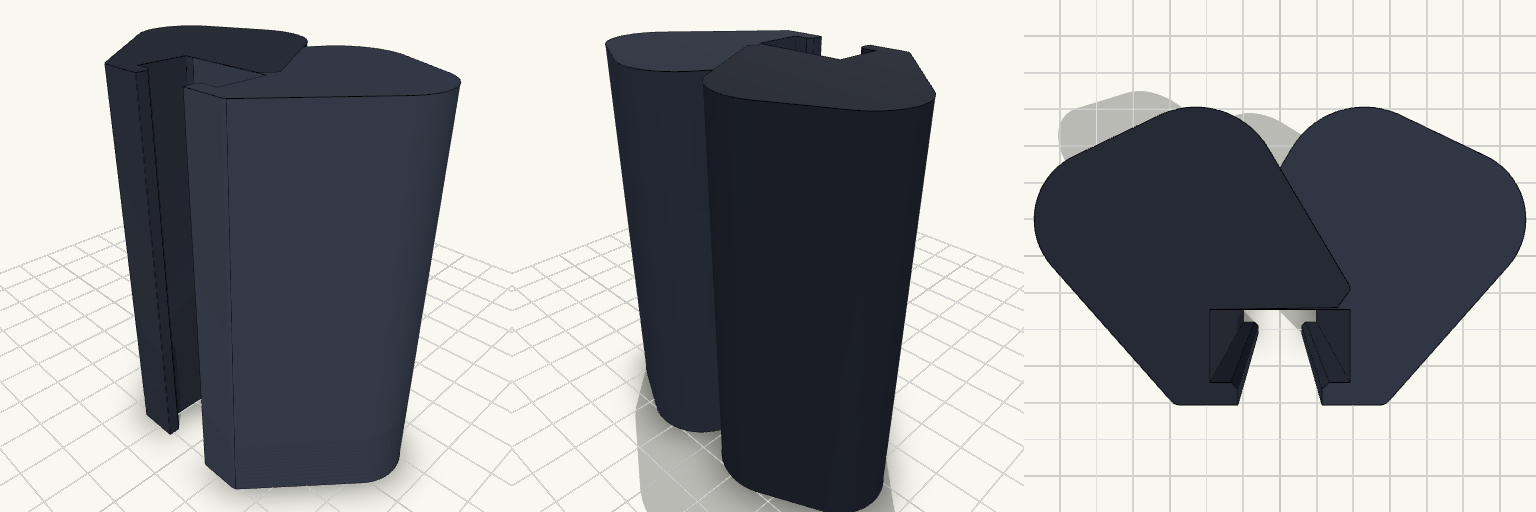
Manta Contour Console Grips
Echoing the sweeping, organic lines of marine life, these bionic-contoured grips transform a rigid, slim handheld into a natural extension of the hands. The bulbous outer shell fills the empty space of a relaxed grip, completely banishing the cramped claw-hand fatigue of marathon sessions. A precision-channeled core seamlessly bites onto the edges of the device without crowding the action. Design Specs The Swell: Sweeps 25mm outward from the console body to fully support the lower palm. The Fit: Parallel channels lock cleanly over a 10mm chassis edge, utilizing lead-in chamfers for a smooth, scrape-free slide. The Clearance: A minimalist 4mm front lip ensures thumbs never collide with the plastic while reaching for the D-pad. The Fabrication: Symmetrical vertical extrusions designed to sit flat on the build plate without requiring supports.
Slotted Under-Desk Cable Tray
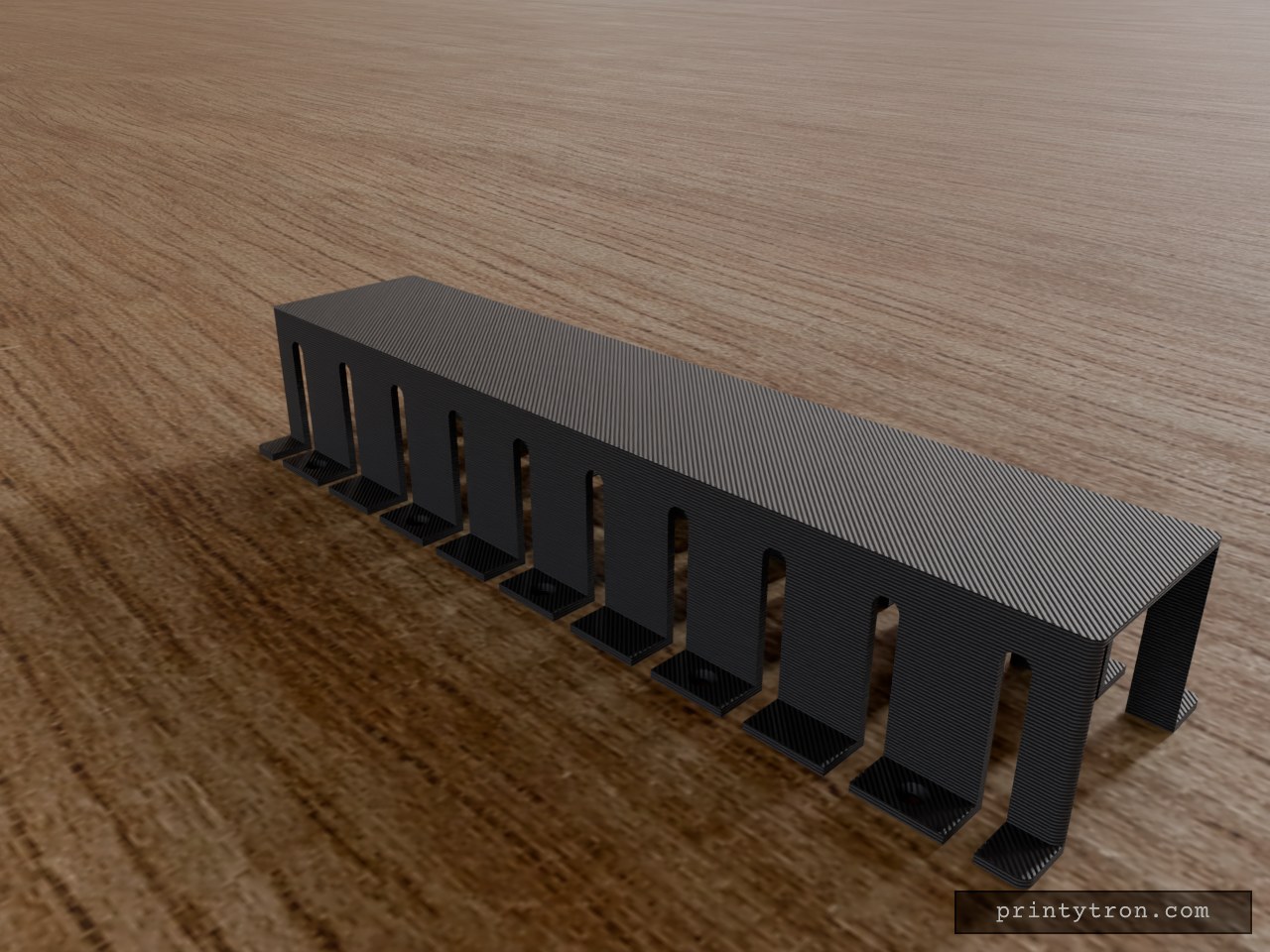
What it's for Designed to mount directly to the underside of a desk to hold a power strip and bundle loose cables, clearing floor hazards. The open U-channel features vertical slots along both long edges, allowing cables to drop in from above and providing anchor points for hook-and-loop straps to lash down the strip. Prints flat on its back without supports. Dimensions Overall footprint: 350 x 100 x 60 mm Inner channel capacity: 350 x 64 x 57 mm Cable slots: 8 mm wide, 45 mm deep, spaced at 35 mm intervals Mounting: 10 countersunk screw holes positioned along the outer flanges Remix ideas Adjust the overall length to match specific power strips or desk spans. Widen the side slots to accommodate heavy-gauge monitor cables or display connectors. Increase the wall thickness to support heavier power supplies and transformers.
Oversized Desk Device Stand
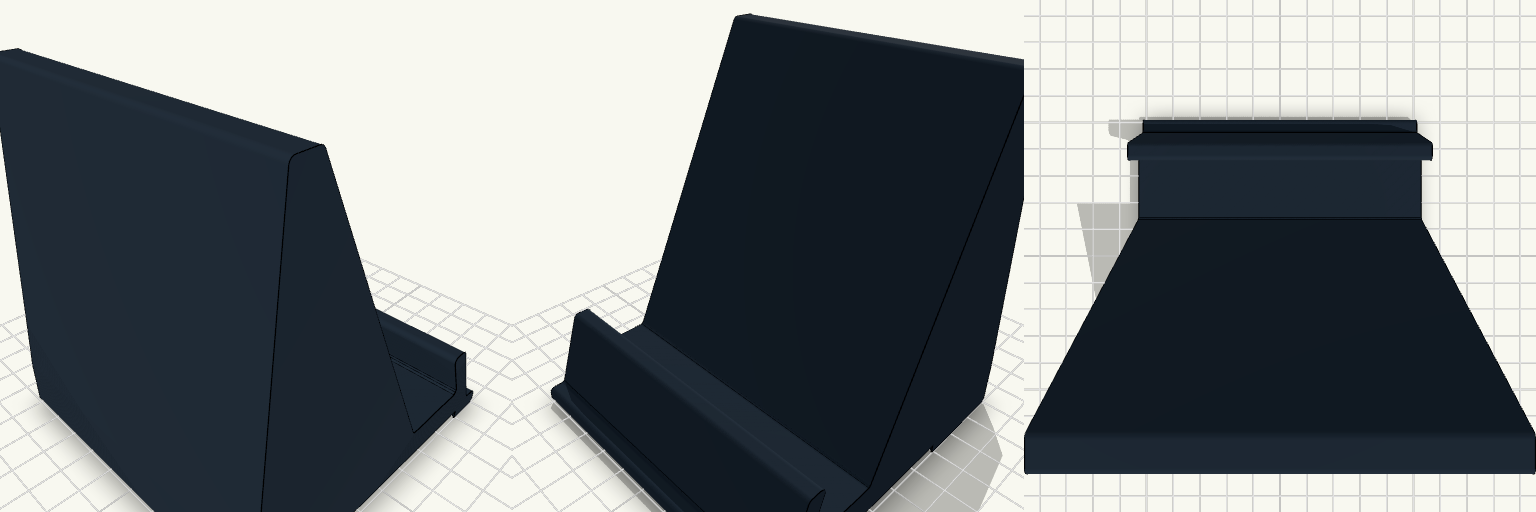
An oversized, stable desktop stand designed for larger devices. It uses a thick, continuous profile with a wide footprint and a deep front cradle to keep heavy hardware from tipping backwards. The underside is channeled out to ensure the stand rests securely on its front and back edges without rocking. Remix Variables Total Width: Currently 100 mm. Drop this to 60 mm if you want a slimmer profile, or stretch it to 150 mm for a massive tablet. Backrest Height: Reaches 110 mm off the desk. You can lower the rear profile points if your device sits fine on a shorter spine. Cradle Gap: Set at roughly 24 mm to accommodate thick cases or ruggedized hardware. Pull the inner cradle coordinates forward if you need a tighter grip on bare devices.
Armored Figure Headset Stand
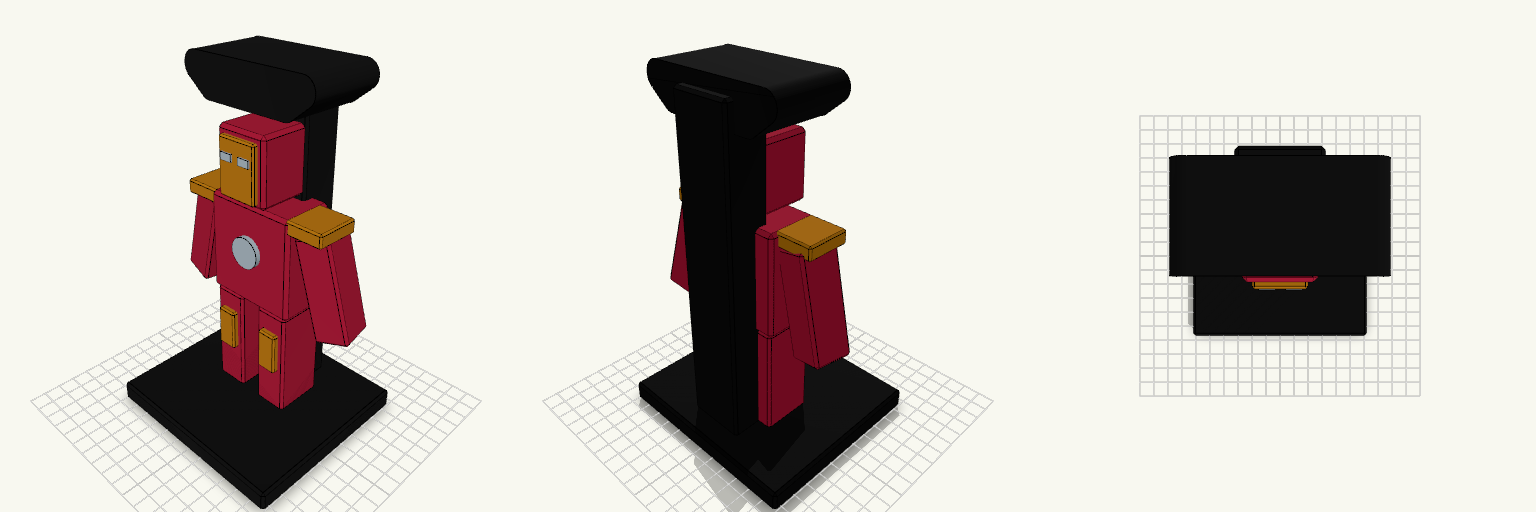
A sturdy desktop headset stand featuring a geometric, stylized armored figure integrated directly into the vertical support column. The design merges practical utility with a block-bot aesthetic, supporting standard gaming headsets on a wide, curved top rest. Heavy 120x110 mm base for stability Wide U-shaped headset saddle prevents band indents Integrated four-color figure designed for multi-material FDM Chamfered geometry prints cleanly without supports
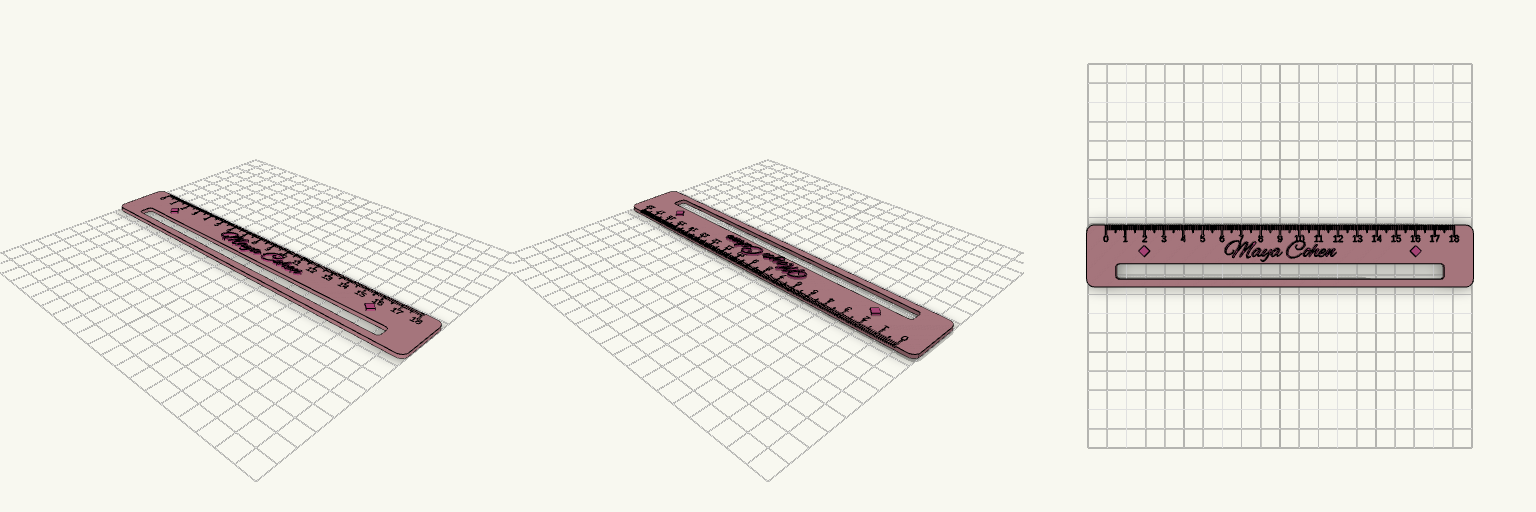
FocusLine — Reader Aid Ruler
A low-profile reader aid and metric ruler designed to block out surrounding text on standard A4 pages, keeping focus on a single line. Features Reading Window: 170mm wide slot precisely sized for A4 documents. Metric Ruler: 18cm top edge with 1mm increments for quick measurements. Personalized: Raised name plate with elegant diamond accents. Print Notes Prints perfectly flat with no supports required. Add a filament swap at 2.0mm to highlight the text and accents against the base.
DataStack — Enclosure Core
A lightweight, 4-bay enclosure body for 2.5" SATA HDDs. Features Stripped-down chassis with extensive material-saving cutouts Integrated rails for 4 drives Rear bosses for mounting a custom PCB backplane Designed to be printed on end (resting on the back faces) to avoid internal supports.