Baba köder
Created today
Description
A two-piece open-pour mold engineered for casting 100mm segmented soft plastic baits. The design utilizes a press-stamp displacement method to forge irregular internal channels for multi-color layering.
- 100mm Cavity: Open-face half-shell matching a streamlined shad profile.
- Irregular Stamp: The insert features a stylized, non-uniform zigzag core (Zackenmuster) that displaces the initial layers of plastic.
- Precision Alignment: 7.8mm guide pins slot into 8.2mm base rails, establishing a precise 0.2mm side clearance to prevent thermal binding.
- Print Orientation: The stamp is elevated in the file so its lowest pins rest at zero; flip it onto its flat back in the slicer to print without supports.
Images
More like this
Explore more in Workshop & Tools →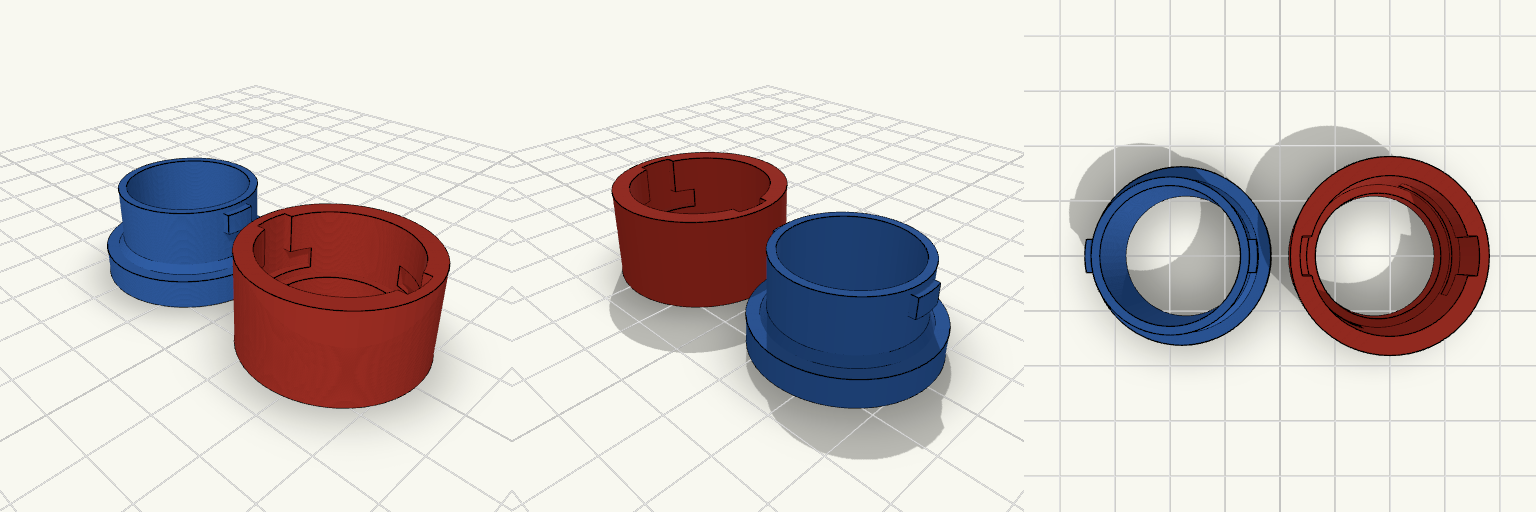
Zauberstab Verschluss 2.0
Zweiteiliger, hohler zylindrischer Testkörper zur Prüfung von FDM-Toleranzen. Beide Teile verfügen über eine geschlossene Außenwand und schließen bündig ab. Feste Abmessungen: Außen 30.8 mm, Innen 21.8 mm Mindestwandstärke: 1.5 mm im kritischen Bereich der Nuten Mechanismus: Bajonettverschluss mit Arretierungsnocke gegen unbeabsichtigtes Öffnen Druckbar: Ohne Stützstrukturen, flach auf dem Druckbett positioniert
DopplerSled — Physics Pendulum Carrier
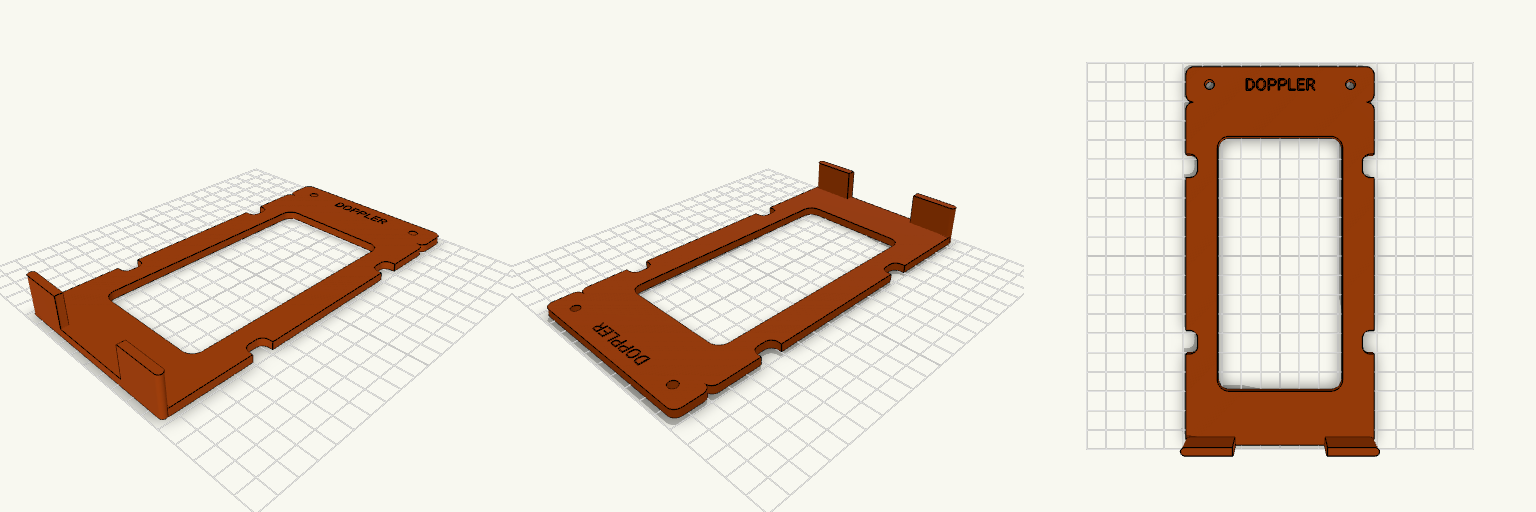
DopplerSled er en specialdesignet slæde til fysikforsøg med dopplereffekten. Telefonen hviler på den flade ryg og mod bundstoppet, mens elastikker i sidehakkene holder den fastspændt. Konstruktionen giver maksimal plads til telefonens egne højttalere, og topørets to huller sikrer et stabilt pendulsving uden rotation. Design Universelt fit: Ren L-profil uden frontlæbe betyder at alle telefonstykkelser og covers passer. Printbarhed: Designet lægger sig helt fladt på byggepladen og kan printes helt uden supports. Akustik: Stor centerudskæring lader lyden bære bagud. Montering Placer telefonen, sæt to elastikker over skærmen ved sidehakkene, og træk to snore gennem tophullerne til stativet.
Multi-Purpose Safety Rod
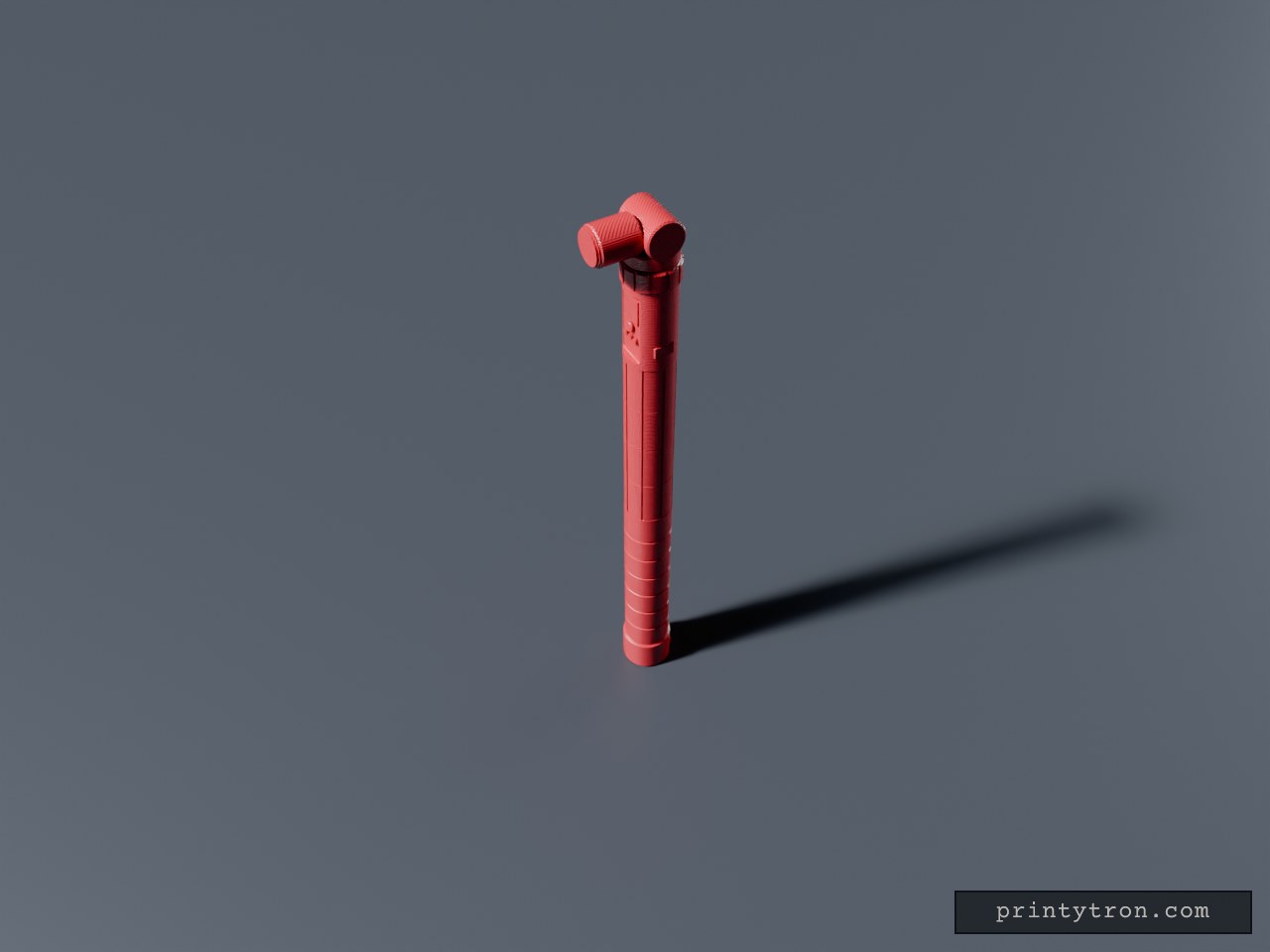
Juggling a flashlight, a stick, and a voltage tester in a dark, damp crawlspace is a great way to drop all three. This consolidates them into a single rugged baton. It packs a directional work light, an integrated AC voltage detector ring, and a heavy-duty grip so you aren't poking blindly around live wires or unexpected wildlife. Specs & Print Notes Dimensions: ~430mm long, 38mm maximum diameter. Sensors: The bright red upper collar houses the AC detection ring, kept safely away from the primary grip. Power: The midsection is designed to house a 360-degree wrap of flexible solar cells. Printing: Due to its length, it is best split into segments along the structural joints for standard 200mm Z-axis beds, joining the pieces with internal dowels or threaded inserts.
Smart Safety Detection Rod
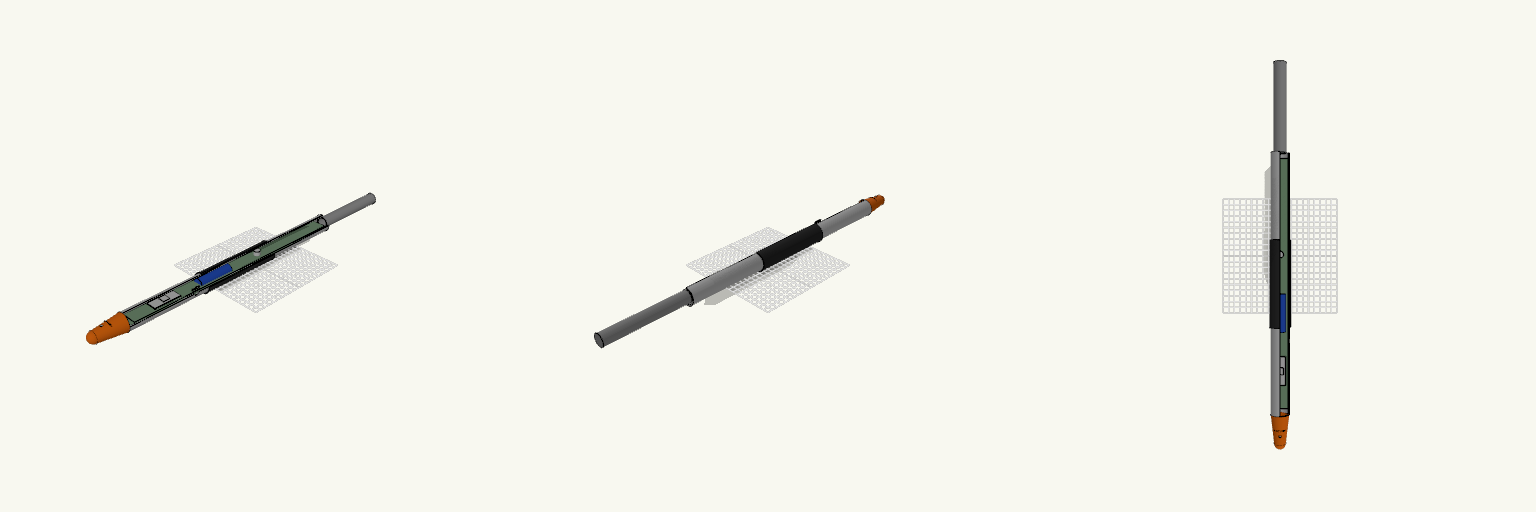
A robust, modular detection rod designed for locating hazardous AC voltage fields without direct electrical contact. The model features a quarter-cutaway body to reveal the internal mounting layout for the microcontroller, battery, and warning systems. Non-Contact Sensor Head: Front-mounted, tapered orange cap designed for housing a capacitive antenna and a red warning LED. Internal Chassis: A flat sled running the length of the main tube, sized for an 18650 cell, an ESP32, and an active buzzer. Extendable Torch: A rear-mounted 22mm sliding sleeve for focused lighting in dark environments. Cutaway View: The top-right quadrant of the main tube and grip is removed to display component placement and clearances.
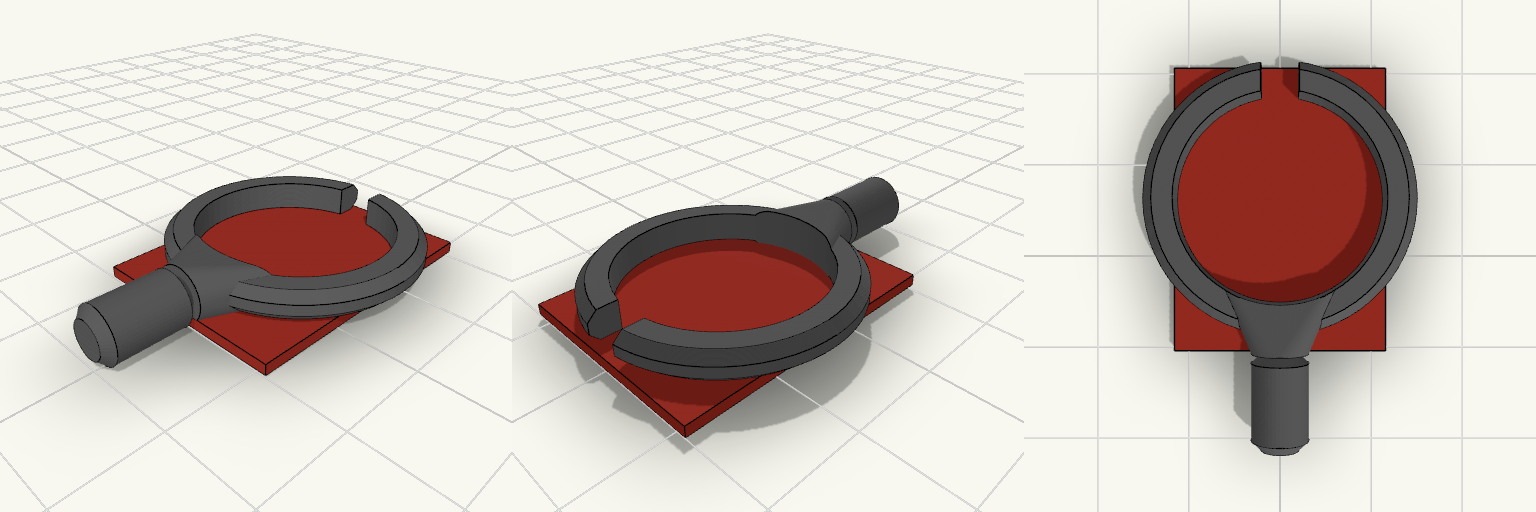
Hoof Evener Thumb Ring
A low-profile thumb ring designed to friction-fit onto the center support of a hoof-evener ruler. The ring is split to flex over a variety of thumb sizes while keeping the geometric center locked perfectly inline with the measurement zero-point. Remix Hooks Thumb clearance: Currently set to an inner diameter of 22mm. The 5mm split opening allows for expansion, but the base diameter is the first thing to dial in for a specific hand. Strut channel: The rear mounting slot is sized for a 12.5mm × 4.5mm vertical support. Adjust this block to match the actual sheet metal or printed strut of the evener. Locking hole: A 3.3mm pilot hole runs through the back wall. Drive an M4 set screw or short bolt through it if the friction fit over the strut needs extra bite.
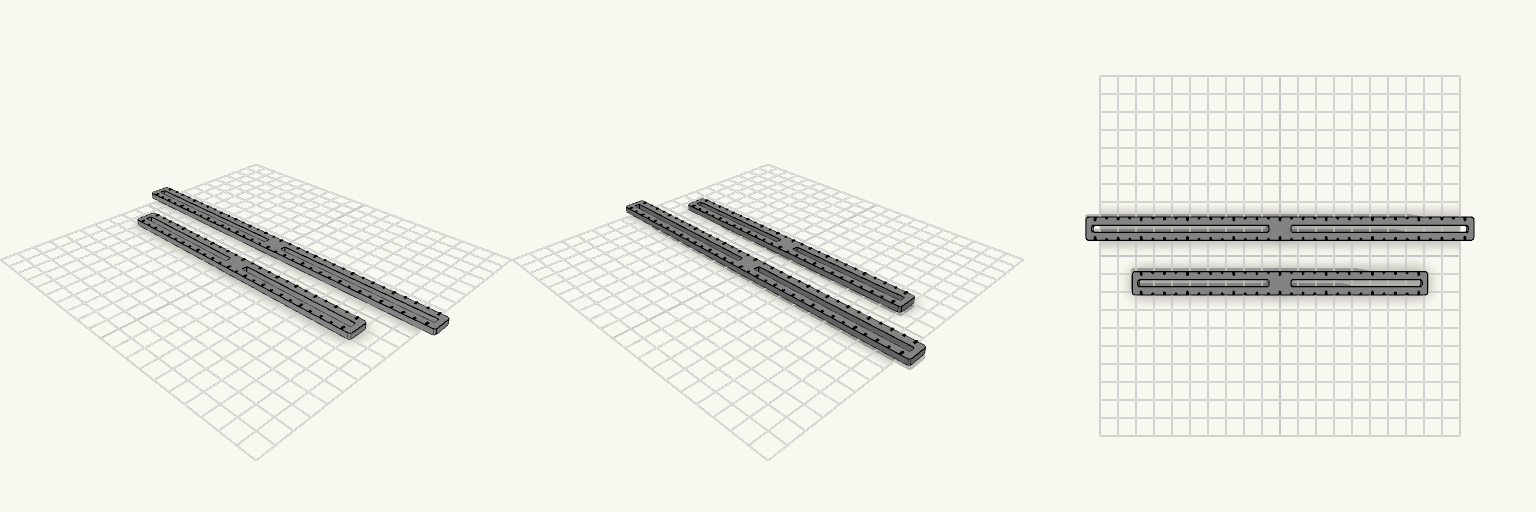
Farrier Hoof Evener Ruler
A modified 9-inch hoof evener ruler prototype tailored for farrier work. It maintains the 8-inch measuring capacity across two distinct scales while elongating the body to accommodate an extended central viewing window. Overall Footprint: 9 inches long by 1 inch wide, slimming down to a 1/4-inch thickness for a sleeker profile. Split Viewing Window: Extended observation windows clear right up to the ends, bridged by a 12mm central solid section to retain structural rigidity over the hoof. Dual Scales: The top edge features a conventional 0–8 inch scale, while the bottom scale starts at zero in the dead center and reads outward up to 4 inches in both directions. High Contrast Markings: Subdivisions down to 1/4 inch are raised 0.8mm off the surface, providing a robust, tactile read with heavily thickened strokes and widened typography.