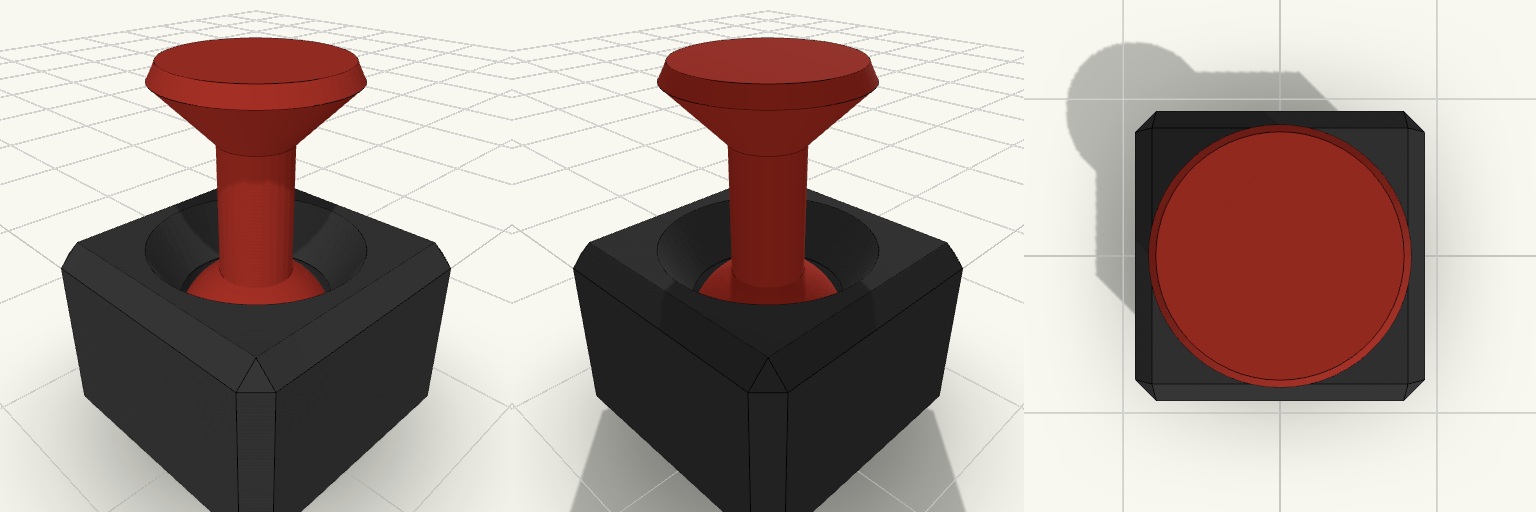
Comic Lettering Desk Sign
Created 3 months ago
Description
Channeling the heavy hit of a comic book splash page, this freestanding desk sign is the ultimate gatekeeper for the busy product manager. The bold text is stripped of any distracting backing board, letting the stark silhouette do all the heavy lifting. Resting proudly on a sleek, chamfered base and tilted perfectly toward approaching colleagues, it spells out the eternal product question: "But, what's the problem?" It forms the perfect physical prop to keep meetings focused and feature-creep at bay.
Design Notes
- Freestanding Letters: The heavy typeface is anchored directly to the base, with a hidden rear beam supporting the floating punctuation.
- Perfect Viewing Angle: Tossed back 15 degrees to effortlessly catch the eye of anyone walking up to the desk.
- Print-in-Place: Designed to lay flat on the printer bed with absolutely no supports required.
Images
More like this
Explore more in Desk & Tech →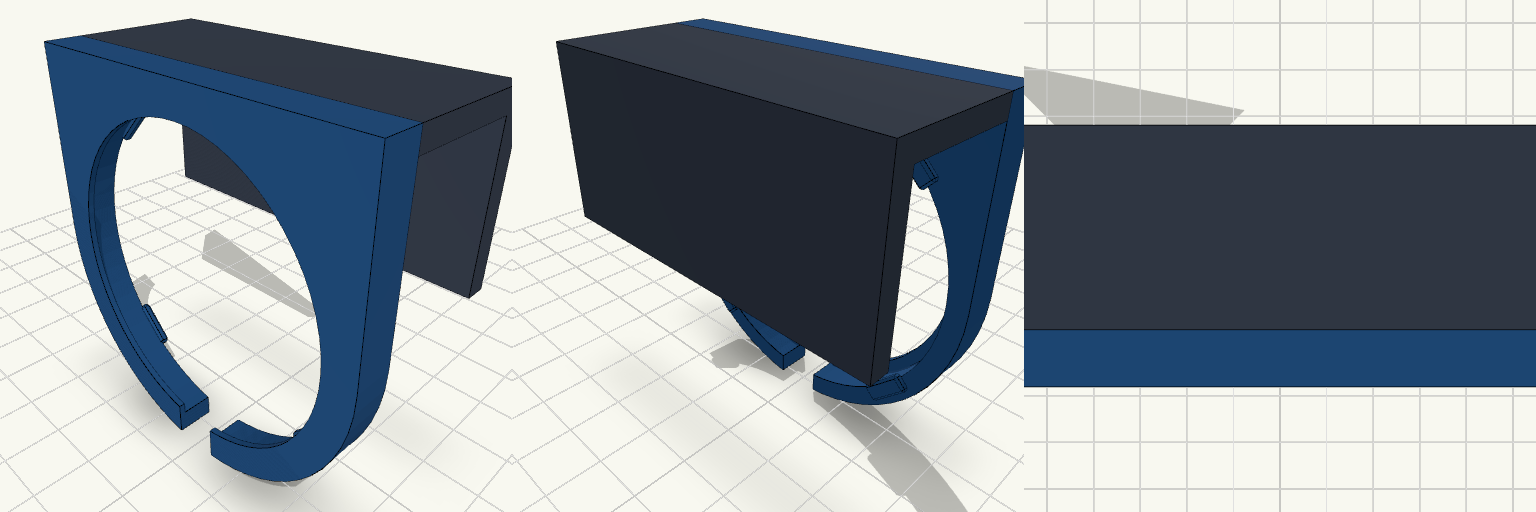
19.5mm Desk Edge Puck Mount
Edge-mounted charging cradle sized for the 33.5mm Google Pixel Watch magnetic puck. Designed to drop over a standard 3/4-inch (19.5mm) wood plank. Fitment: The 33.5mm bore sits at the rear of the housing. You push the puck in from the back, then slide the whole assembly over your desk edge — the wood itself traps the puck so it cannot back out. Cable Routing: An 8mm slot on the bottom allows the cable to drop cleanly out of the way. Incompatibilities: Does not fit full-sized phone Qi chargers or desks thicker than 19.5mm without adjustment. Phone hooks have been removed from this version.
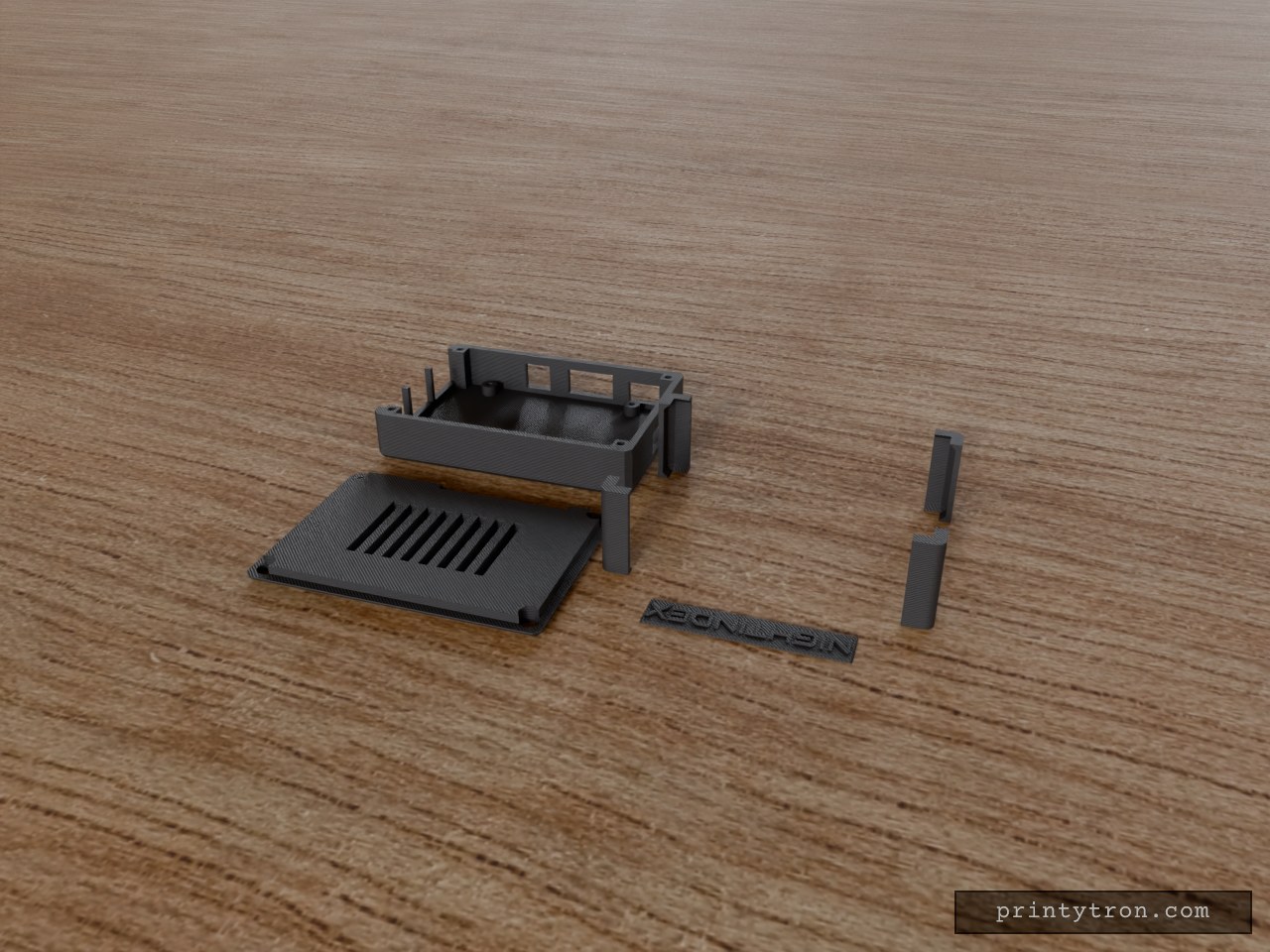
Pi 3 case
A bare Raspberry Pi 3 is so light that hooking up a standard HDMI cable instantly tips it off the desk. This case locks the board into a heavy enclosure and uses snap-on outer corner bumpers to give it some actual grip, so the board stays exactly where you put it. The port cutouts are oversized enough to accept real molded cables without them binding against the shell. Bed Fit: Everything is packed tightly to fit in a single run on a 180×180 mm print bed. Printing: All pieces sit flat on the plate. No supports required anywhere. Clearances: Built with a 0.4 mm gap around the board and lid joint so it slots together cleanly.
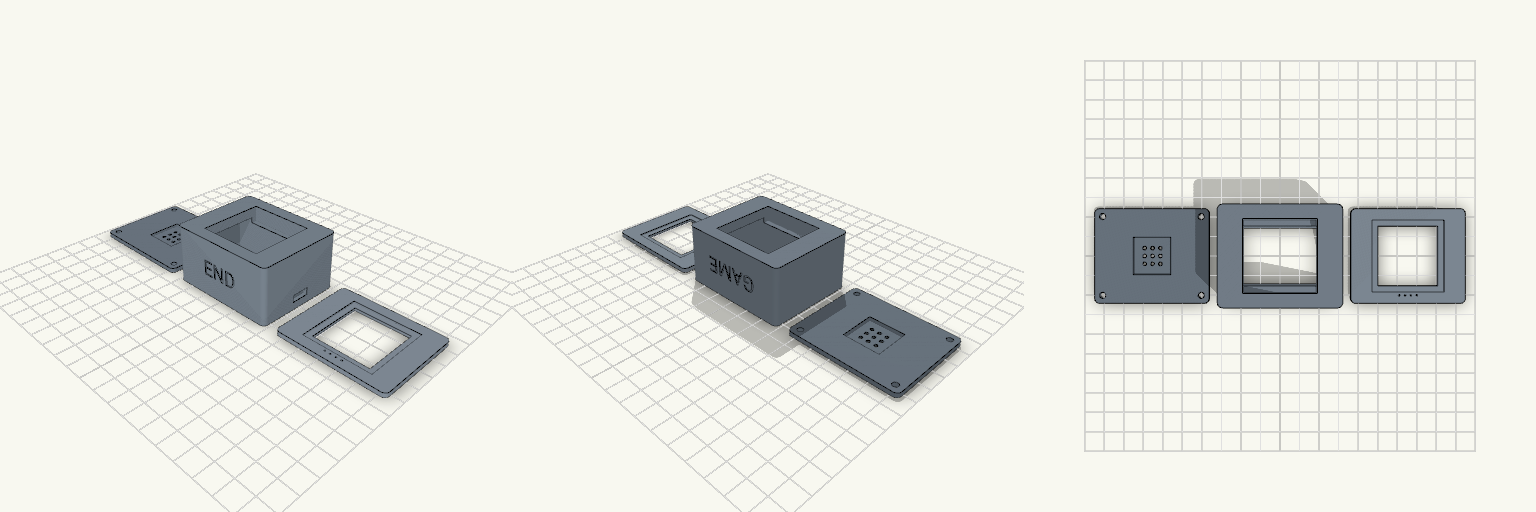
Dev Board Lockdown Case
Raw development boards sliding across a desk are just waiting to short out on a stray screw or drop a jumper wire mid-compile. It’s annoying, it ruins components, and it makes moving a project impossible. This ends that. This is a clean, three-part enclosure built to lock down an ESP32 and an OLED display, keeping the wiring hidden and the desk clear. Footprint: 58.0 mm × 48.0 mm Total thickness: 34.5 mm (assembled) Display window: 30.5 mm square (designed for 1.3" OLEDs) Assembly: Uses four M3 screws driven from the back, leaving the front bezel perfectly clean. Print the three parts flat on their backs. Frosted PETG recommended if you want the board LEDs to diffuse through the case walls.
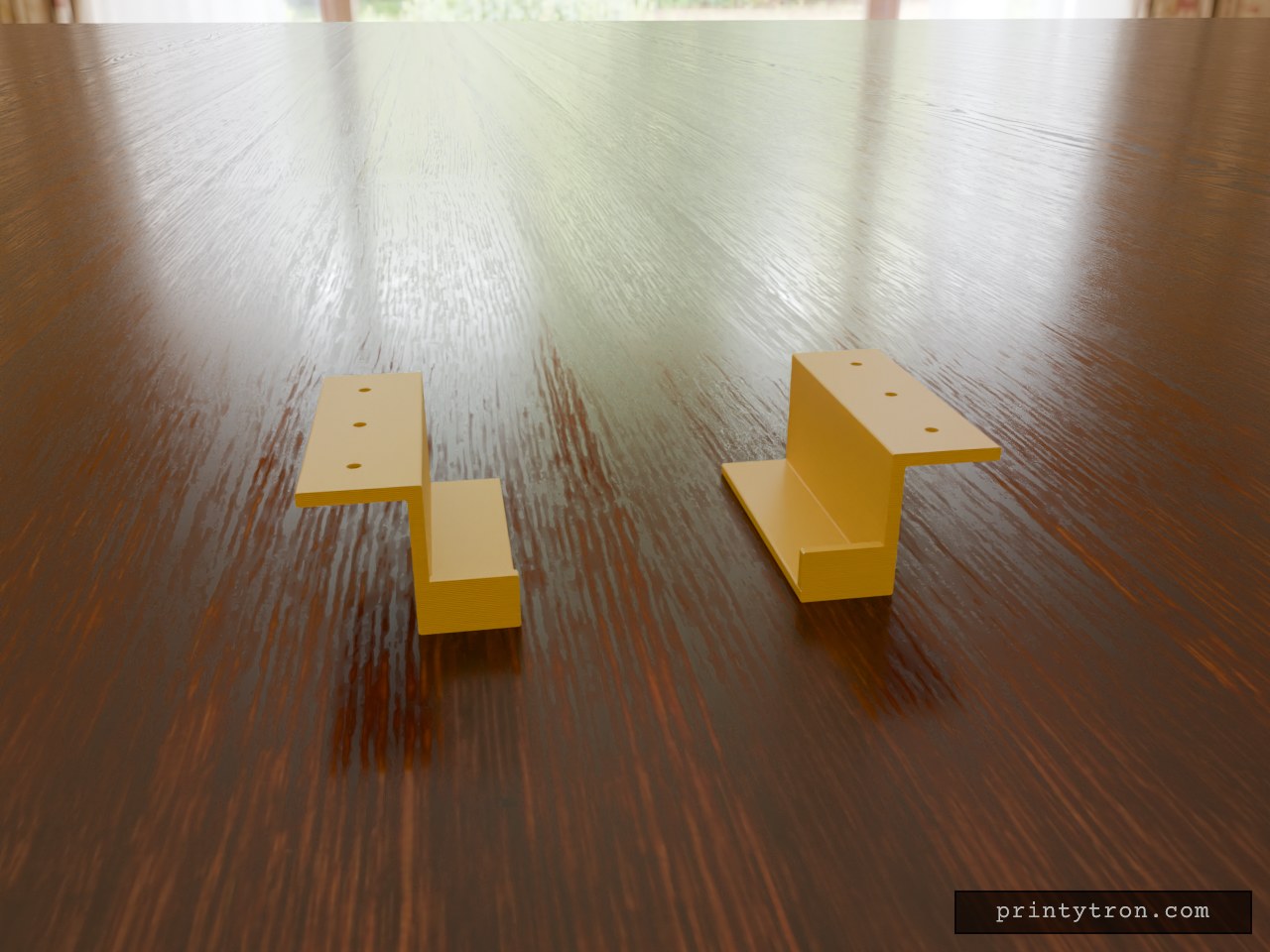
ATEN KVM Under-Desk Mount
Under-desk sliding bracket pair tailored for the ATEN CS1944DP and similar 44mm-height desktop devices. Built with outward-facing mounting flanges for easy screwdriver access and a rear stop to prevent the unit from pushing back when plugging in cables. Clearance: 45.5mm internal height leaves 1.5mm of vertical wiggle room, accommodating a strip of standard foam tape to add friction and protect the chassis. Hardware: Countersunk holes oriented upwards, suited for #8 or M4 flathead wood screws. Versatile: Two-piece design means width isn't constrained. Space them out to match the switch exactly. Printing: Best sliced by rotating 90 degrees onto the outer side walls to print completely support-free.
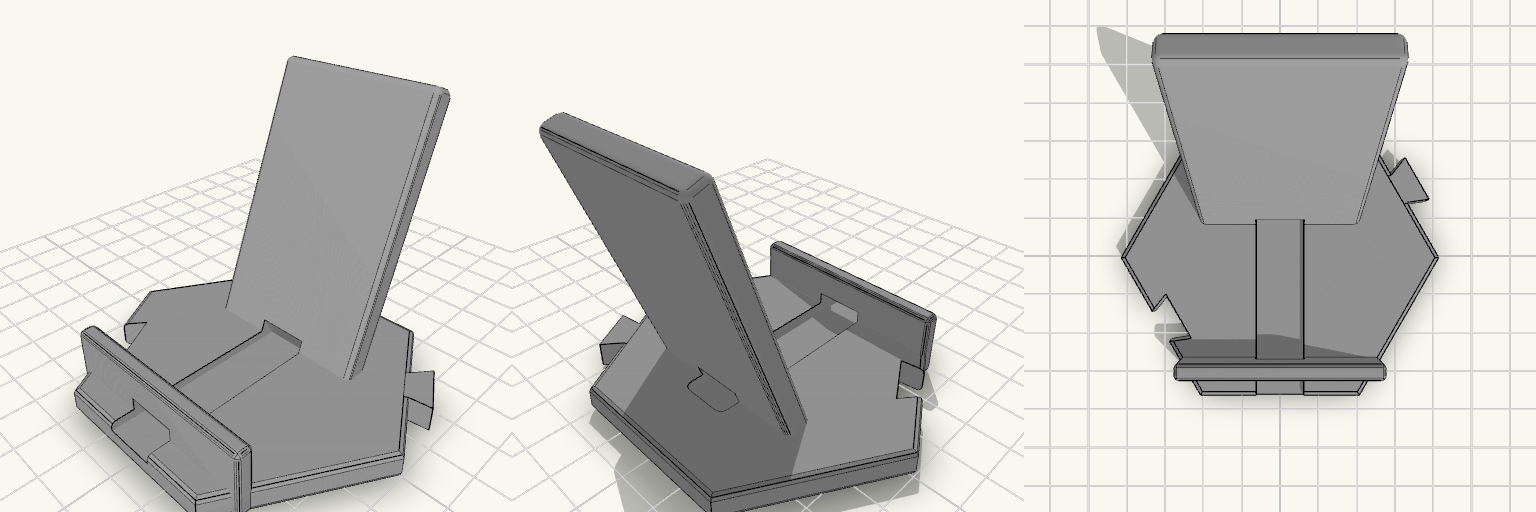
Hexa — Modular Hex Phone Stand
Hexa is a one-piece phone stand built on an 80 mm hexagonal base, designed so identical modules can click together side by side with no hardware. A 70° back panel supports the phone, a front lip stops it sliding, and a groove keeps the charging cable tidy. Features Hexagon 80 mm across vertices, 6 mm thick, rounded edges Back panel about 65 mm tall, leaning at 70° from the base Front lip 10 mm above the base surface Cable groove running front to back, centred Dovetail tab on one side edge, matching slot on the opposite edge (0.3 mm clearance) Print notes Print flat on the base, no supports needed PLA or PETG, 3–4 perimeters for strength