Precision Imperial Gauge Blocks
Created today
Description
A set of five exact imperial gauge blocks with flush text inlays.
- 1 inch, 2 inch, 3 inch, 6 inch, and 8 inch blocks
- Exact 1-inch width and 0.5-inch thickness
- Flush text inlays for multi-color printing without breaking the outer dimensional envelope
Images
More like this
Explore more in Workshop & Tools →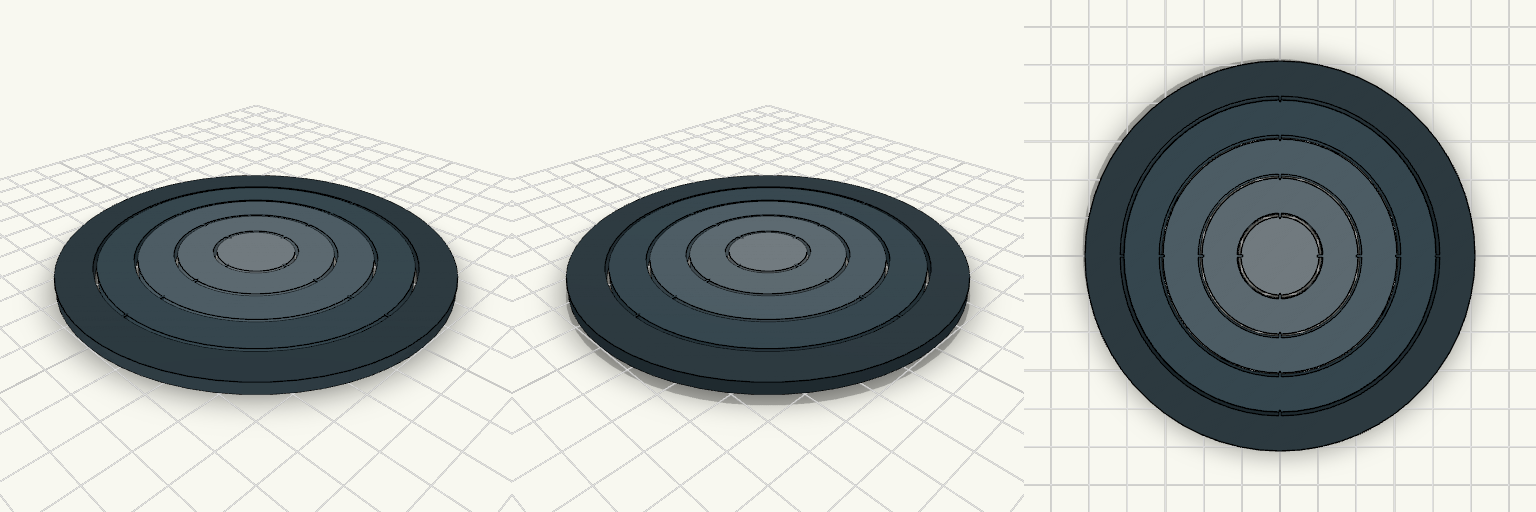
100mm Concentric Breakaway Disc
100mm concentric stepped disc connected entirely by breakaway tabs. Used to verify dimensional accuracy, extrusion multipliers, and single-wall adhesion on FDM toolheads. Critical Fitment Outer Diameter: 100 mm exactly. Bridges: 0.6 mm wide (designed to lay down as 1 to 2 perimeters on a standard 0.4 mm nozzle). Clearance Gap: 1 mm radial gap between rings. Notes If the flow rate is dialed in, the rings will break away clean under manual pressure. If the printer over-extrudes, the bridges will fuse solid and refuse to yield. Standard 3 mm thickness flat stock — do not run on a raft.
Plush Canvas Boundary Gauge
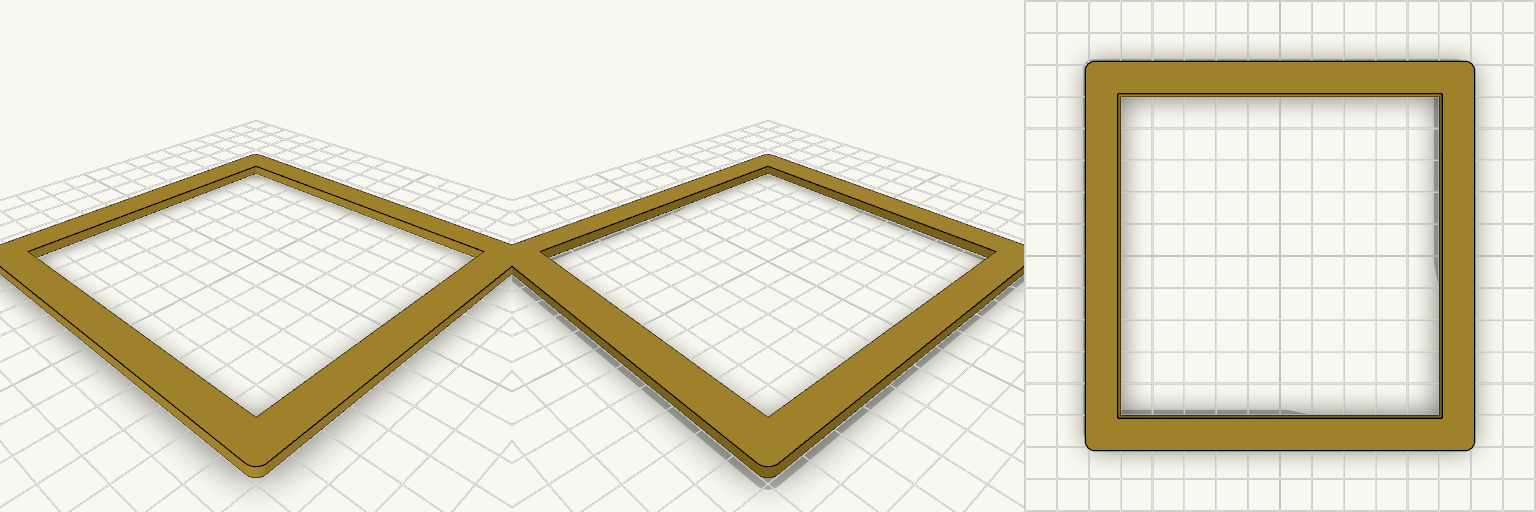
A stark, unyielding boundary for plotting out your plushie features. This gauge isolates a perfect 100 by 100 millimeter square, stripping away the bulky machine clips and mounting hardware of a traditional Janome SQ10b hoop to leave only the raw workable area. Pressed directly against a curved fabric face, it frames exactly where the needle can reach before the machine ever turns on. Internal Canvas: Exactly 100 × 100 mm with dead-sharp corners to preserve the true bounding box. Outer Profile: 120 × 120 mm with gently eased 3 mm corners to prevent snagging the pile. Gauge Thickness: A low-profile 3 mm drop, stiff enough to frame the fabric without bowing.
montre
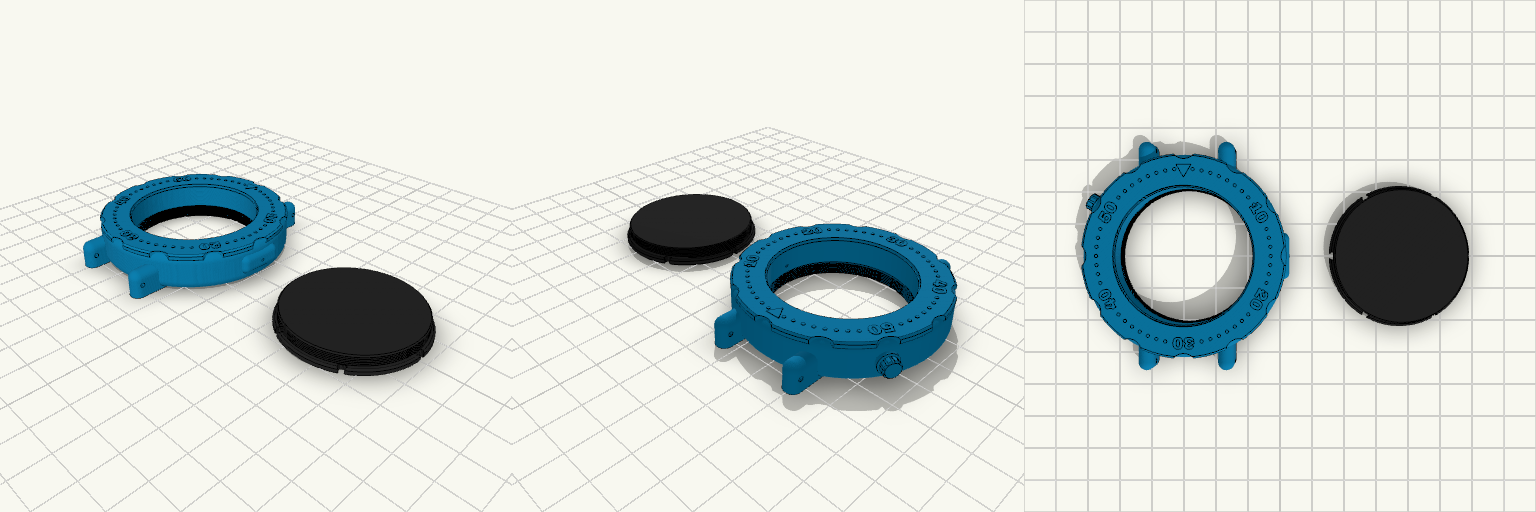
What it's for A 3D-printable watch case modelled on dive-watch proportions. Features a scalloped rotating-style bezel with minute markers, a fine threaded base for the case back, and integrated lugs for a standard watch strap. The inner cavity tapers to secure a movement, with a lip cut for a domed crystal. Dimensions Overall Case: 42 mm diameter Inner Cavity: 41 mm base, tapering to 40.4 mm at the dial Lugs: Spaced for a 20 mm strap Crystal Seat: 41.4 mm diameter, 1 mm deep Stem Hole: 1.1 mm diameter at the 3 o'clock position Threads: 0.5 mm pitch, matching case back included Print notes The case back uses a very fine 0.5 mm thread pitch. This requires a well-calibrated printer and low layer heights (0.12 mm or finer) to print cleanly. You may need to scale the case back slightly on the X and Y axes depending on your printer's tolerances.
Bajan Wave — Flag Mold Master
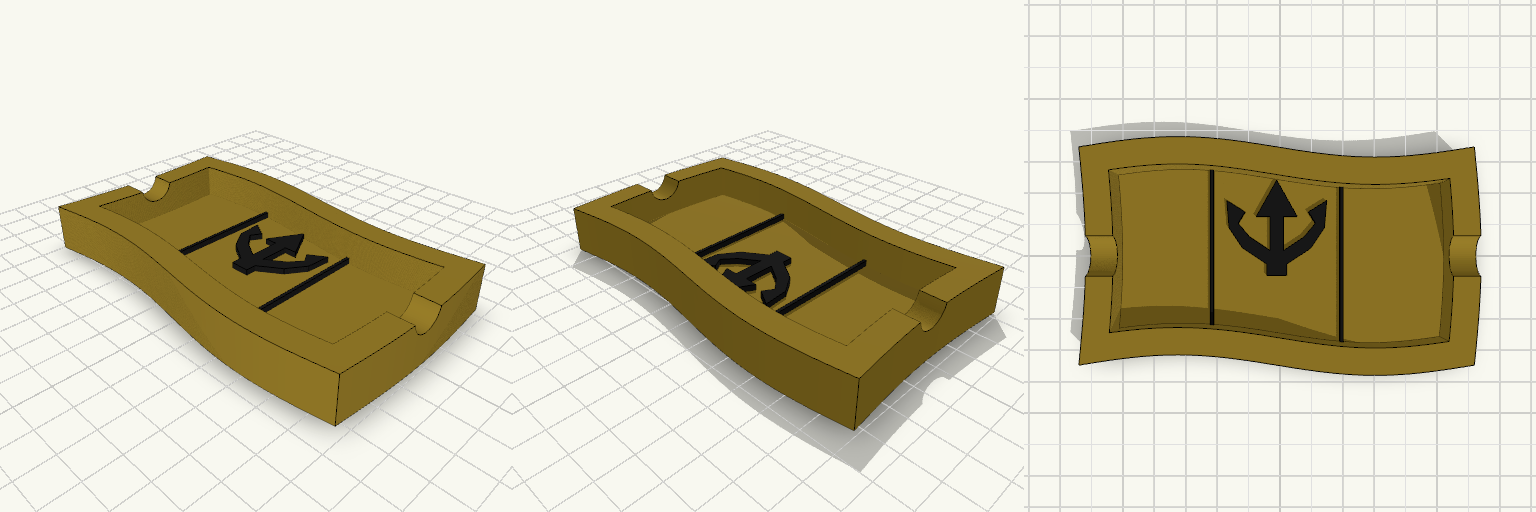
Bajan Wave is a purpose-built 3D-printable master designed for silicone mold-making. It features a sweeping, parametric undulating perimeter that mimics a flag fluttering in the wind, standing out against basic rectangular forms. The basin precisely follows this waving profile and includes the defining elements of the Barbados national flag—vertical section dividers and the iconic broken trident, carefully proportioned to match official specs. The entire underside is perfectly flat, ensuring it sits securely against your casting box base without flashing underneath, while a consistent 8mm perimeter rim includes two integrated resting grooves. Specifications Overall Master Size: 120 mm x 70 mm x 15 mm Basin Floor: 4 mm thick Rim Width: 8 mm constant width following the wave Relief Details: Features a 2 mm raised broken trident and divider bars for high-contrast resin fills.
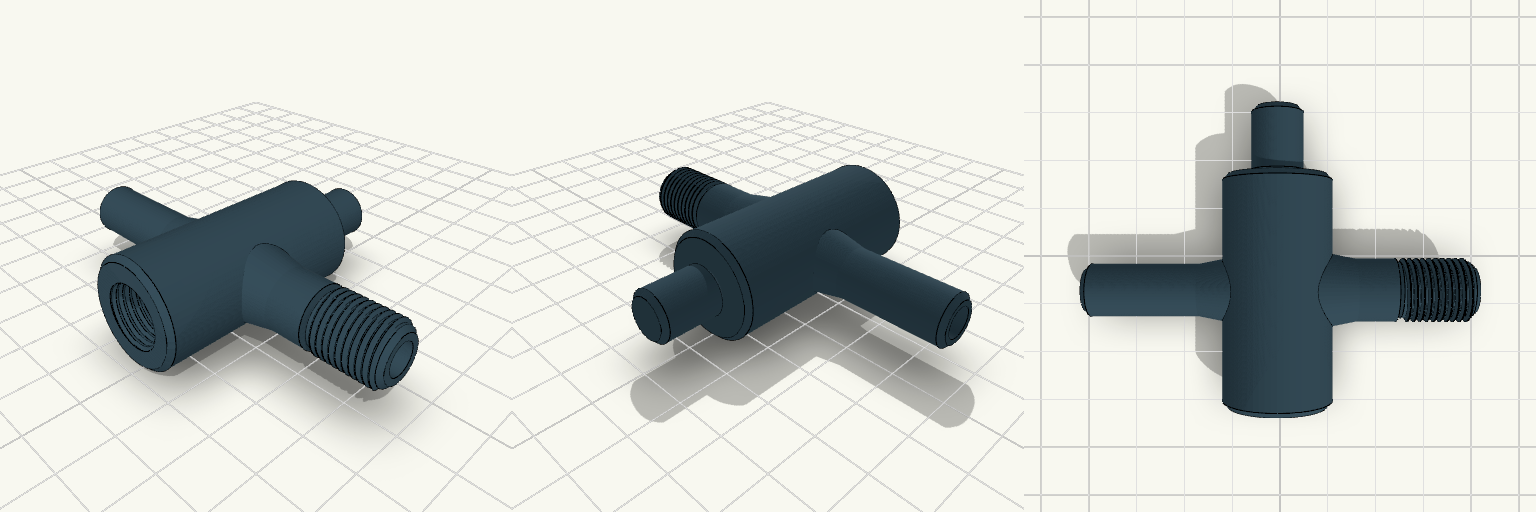
Ojačana Vakuum Račva Sa Navojima
Ojačana račva u obliku slova T za spajanje cevi i vakumetra. Glavno telo: Prečnik 21 mm, dužina 44 mm, zatvoreno sa jedne strane. Na otvorenom kraju nalazi se integrisani ženski 1/4" BSP navoj za vakumetar, sa plitko oborenom ivicom. Krak sa navojem: Ukupna dužina 27 mm (12 mm glatki deo, 15 mm navoj na vrhu). Spoljni navoj je M12 sa korakom 1.25. Kroz njega prolazi kanal od 6.2 mm. Glatki krak: Dužina 26 mm, spoljni prečnik 10 mm. Kanal za protok je 6 mm. Ojačanja na spoju oba kraka sa glavnim telom smanjuju stres pod uglom od 90 stepeni i sprečavaju lomljenje slojeva tokom upotrebe.

Uchwyt latarki Dragon HT05
Wsuwany boczny uchwyt do hełmu strażackiego Dragon HT05, przystosowany do latarek typu Iskra LED. Zaprojektowany jako jeden zwarty element. Zaczepy do modyfikacji Obejma latarki: Otwór ma 30 mm, a szerokość wcięcia wynosi 72% tej wartości (dobry zatrzask dla materiałów takich jak PETG). Szyna montażowa: Standardowo profil 25 mm na 4.5 mm, z drobną sferyczną wypustką do wyczuwalnego zablokowania w slocie hełmu. Orientacja: Model w całości zorientowany jest tak, by leżeć płasko na stole – nie używaj tu podpór, wydrukuje się gładko w jednym przejściu osi Z.