Truncated Annular Aerospike Nozzle
Created 1 months ago
Description
Standard bell nozzles are a rigid compromise—they only hit peak efficiency at one specific altitude, meaning they waste fuel everywhere else. The aerospike solves this by turning the engine inside out. The exhaust plume expands against the central spike on the inside and the atmosphere itself on the outside, automatically adjusting its own expansion ratio as pressure drops.
This is a functional model of an annular aerospike, heavily optimized for FDM printing. It uses a mathematically derived 1.5-power-law curve for the central plug, which efficiently redirects the radial flow from the combustion chamber into pure axial thrust.
Engine Specs
- Throat Gap: 2 mm annular clearance around the base of the spike.
- Truncation: The spike is cut at 80% of its theoretical ideal length. This flat base eliminates dead weight while retaining roughly 99% of the full-spike efficiency, thanks to base-pressure recirculation.
- Support Structure: 6 internal struts carry the outer cowl load across the combustion chamber.
- Printability: Fully print-in-place with no supports required. The base sits flat, and the steepest overhang in the combustion section is well within safe limits.
Photos
Technical views
More like this
Explore more in Automotive, RC & Hobby →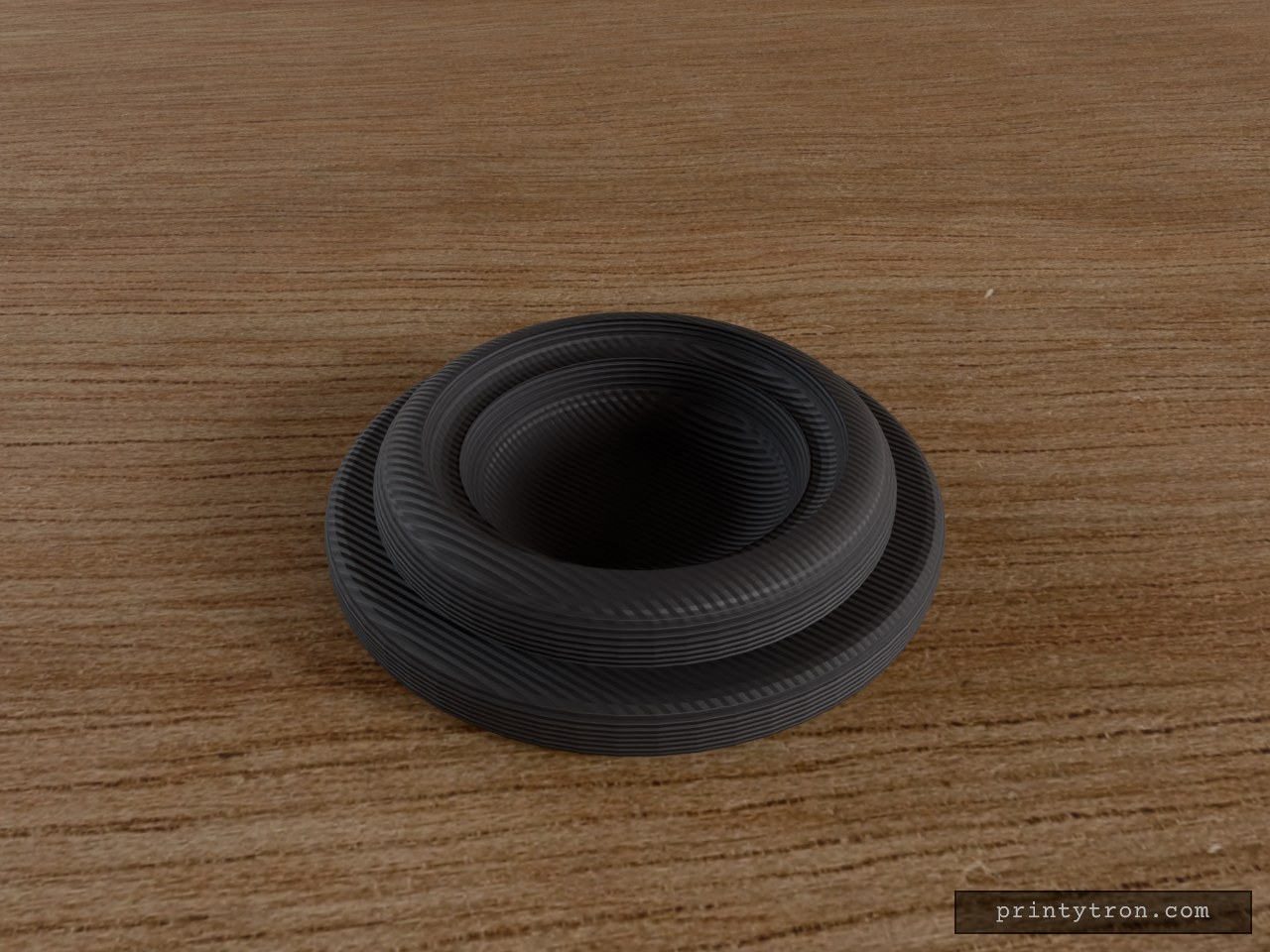
Formica — Gestufter Ameisen-Napf
Ein kompakter, standsicherer Futternapf für Ameisen und andere kleine Terrarientiere. Die Form ist auf minimale Ertrinkungsgefahr und leichten Zugang optimiert: Mehrstufiger Rand: Erleichtert den Ameisen den Halt und Zugang zur Flüssigkeit. Sanfte Vertiefung: Keine scharfen Innenkanten, sodass Futterreste leicht gereinigt werden können. Flacher Boden: Verhindert ein Umkippen im Terrarium. Der Napf lässt sich ohne Stützstrukturen direkt drucken.
NAJMA
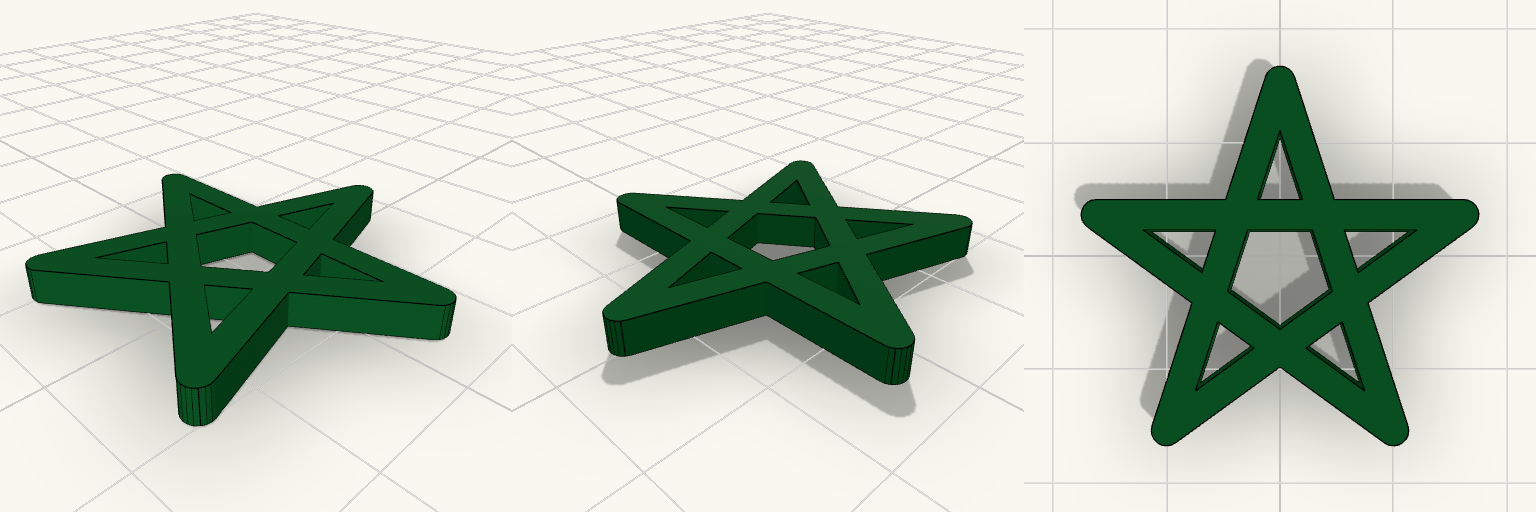
A compact, single-piece delivery truck chassis designed as Part 1 of a commemorative desk model. Engineered to print in place with zero assembly required for the base. Integrated Wheels: Solid cylinders fused into the chassis base for a robust, no-moving-parts foundation. Rear Platform: Provides a flat bed with two precisely placed alignment pins to locate a custom cargo box. Commemorative Markings: Features embossed text on the cabin roof celebrating the occasion. Built to be fully printable without supports, keeping the underside flat and stable.
25mm Tactical Tabletop Tokens
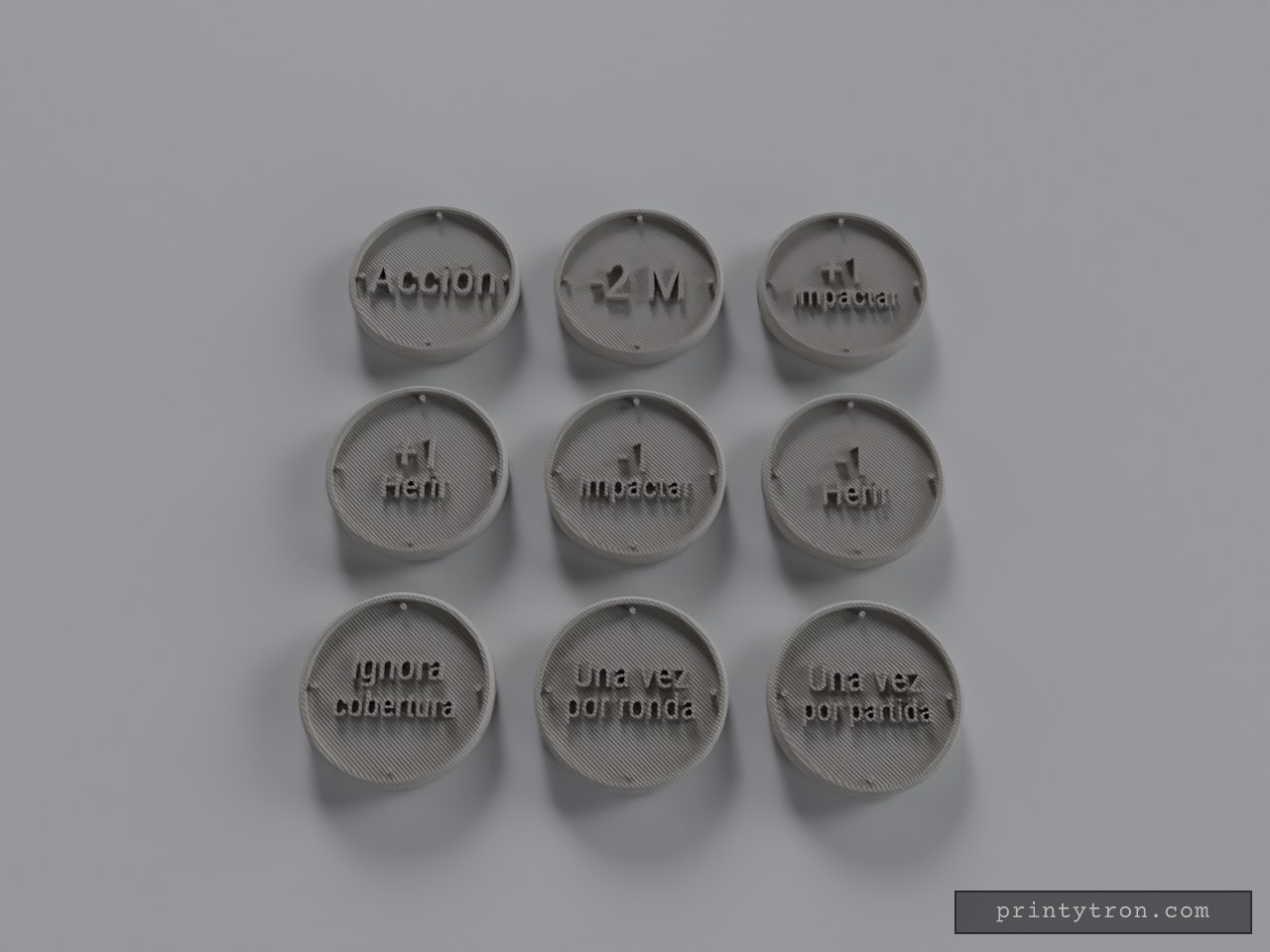
A complete set of nine 25mm wargaming tokens tailored for tabletop tracking. Designed with a clear separation between the base and the raised lettering, making them perfectly suited for a mid-print filament swap or a multi-material system. Specifications Dimensions: 25 mm diameter, 4 mm overall height. Tolerances: The raised text and outer rim sit exactly 1 mm above the base layer, creating a clean Z-height transition for color changes. Printability: No supports required. The bottom edges feature a 1 mm chamfer to prevent elephant-foot distortion on the first layer, ensuring the tokens remain perfectly circular and easy to pick up from flat tables. Layout: Arranged in a flat 3x3 grid for immediate batch printing. Can be split into individual models in the slicer if needed.
Curved Snap-In Interior Trim Cover
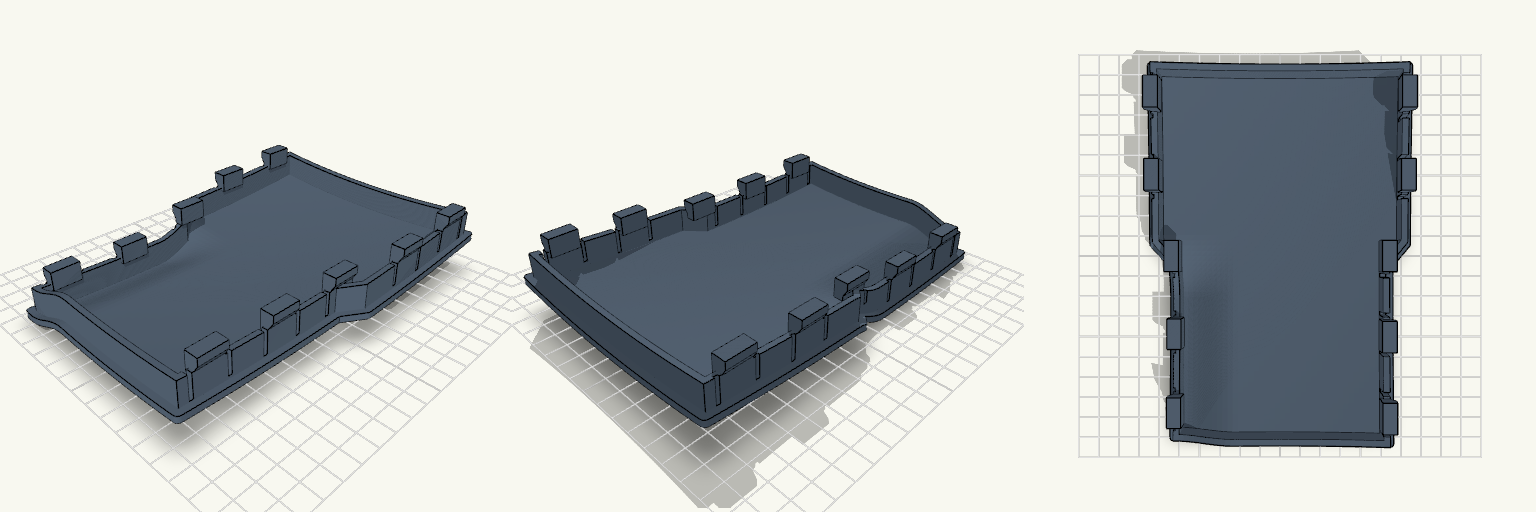
A 123 × 180 mm curved interior trim cover with a straight bottom edge, a stepped outline (107 mm wide at the top, 123 mm in the lower 85 mm) and a 3 mm panel. The perimeter flange follows the crowned surface so the part sits flush around the opening. Remix hooks Surface crown: the front curvature is a few millimetres in both directions. Flatten or deepen it to match a measured body profile. Raised area: 10 mm high with a soft ~30 mm blend at the upper left. Change height or width to suit. Clips: five per side at 18, 54, 90, 126 and 162 mm, 14 mm wide and 4.5 mm thick, with a ~2 mm hook. Adjust hook depth to the real metal edge thickness. Rear frame: 15 mm deep, 2.8 mm wall, inset 3.5 mm. Change the inset for a tighter or looser fit. Pairs with: fuzzy skin in the slicer for a textured look. Print in PETG, ASA or ABS.
OO Gauge semi detached house stone v2
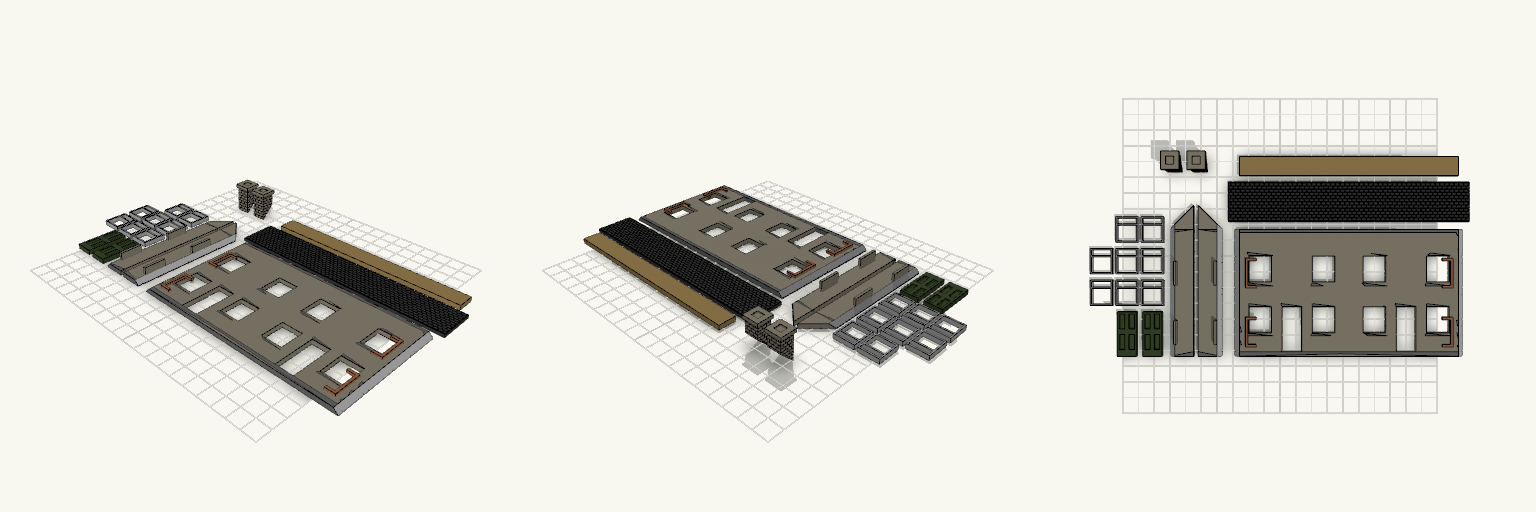
A semi-detached stone house pair in OO gauge, printed as separate pieces: front wall with quoins at the outer ends, mitred side walls, a one-piece roof, a floor piece, two chimneys, and separate window and door inserts. Four small locator rails now help position the side-wall tabs on the front wall. Remix hooks Tab locators: four U-shaped pieces, each 6.8 × 18.6 × 1.5 mm. Glue one against the inside of the front wall beside each side-wall tab. The 0.3 mm clearance around the 15 × 5 mm tab is the value to tune for your printer. Locator thickness: 1.5 mm now. Raise it for a firmer stop. Window and door inserts: 3 mm thick, 0.2 mm clearance per side. Pairs well with: a thin plasticard base or a printed street baseboard.
Line Follower Chassis, N20 Drive
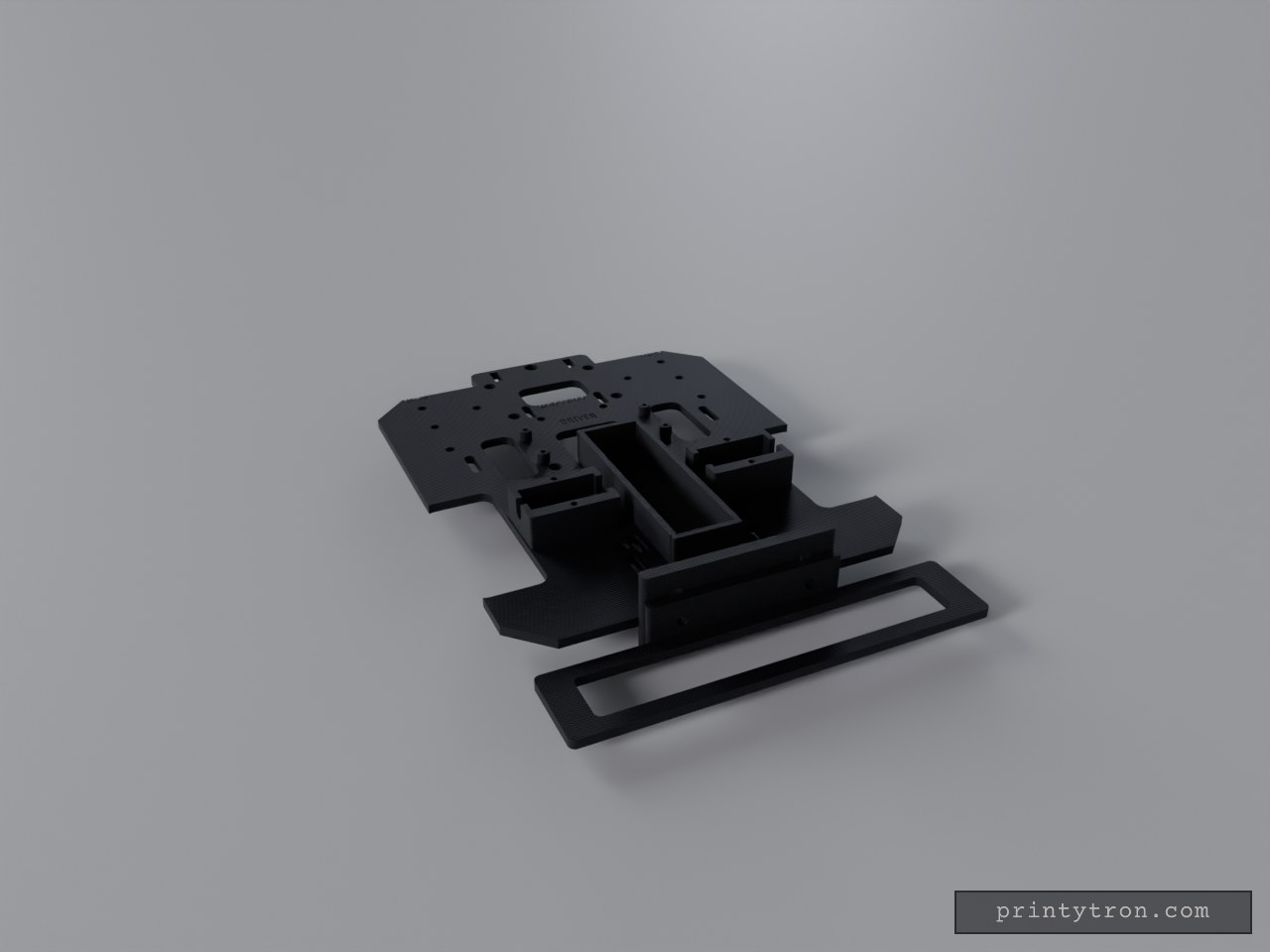
What it's for A line-follower chassis plate with N20 motor cradles, an adjustable-height front sensor tray, an ESP32 mount, a battery holder, a driver mount, a rear caster tab and an LED hole. Dimensions Overall: about 130 × 198 mm, under 25 mm tall (the plate sits 8 mm off the ground). Motor cradles: 12.2 × 24.7 mm pocket for a 12 × 10 × 24.5 mm N20, with a shaft notch and two M2 holes each. Wheel cutouts: sized for 34 mm wheels with more than 2 mm clearance to the plate. Sensor tray: 126 × 26 mm board shelf, two vertical M3 slots in the riser for height adjustment. ESP32: four standoffs for a 48 × 26 mm board, plus two zip-tie slots. Battery: 68 × 18 × 19 mm pocket along the axle line, two strap slots. Driver: two zip-tie slots for a 21 × 18 mm module. LED: 5 mm hole near the rear edge. Wiring: two 10 mm slots between the motor mounts and the electronics. Remix ideas Add a cover clamp across each motor cradle using the M2 holes. Change the caster tab hole spacing for a different caster. Add a second sensor tray for a different board width.