CoilFlex — USB-C Splint
Created 1 months ago
Description
Meet the CoilFlex — a USB-C strain relief boot that balances rigid stability for the connector head with a flexible, coiled tail for the cable.
By applying a helical cut pattern to the tail section while preserving a solid spine at the base, it allows the cable to bend naturally without kinking, while the solid front block keeps the delicate connector joint perfectly immobile.
Features
- Rigid Connector Housing: Perfectly sized to hold the 10mm head section motionless.
- Spiral Flex-Tail: Allows the cable section to bend under stress without pinching.
- Snap-In Top: A continuous top channel lets you easily press the cable into place.
- Tapered Transition: Smoothly steps down from the connector block to the coil.
Images
More like this
Explore more in Desk & Tech →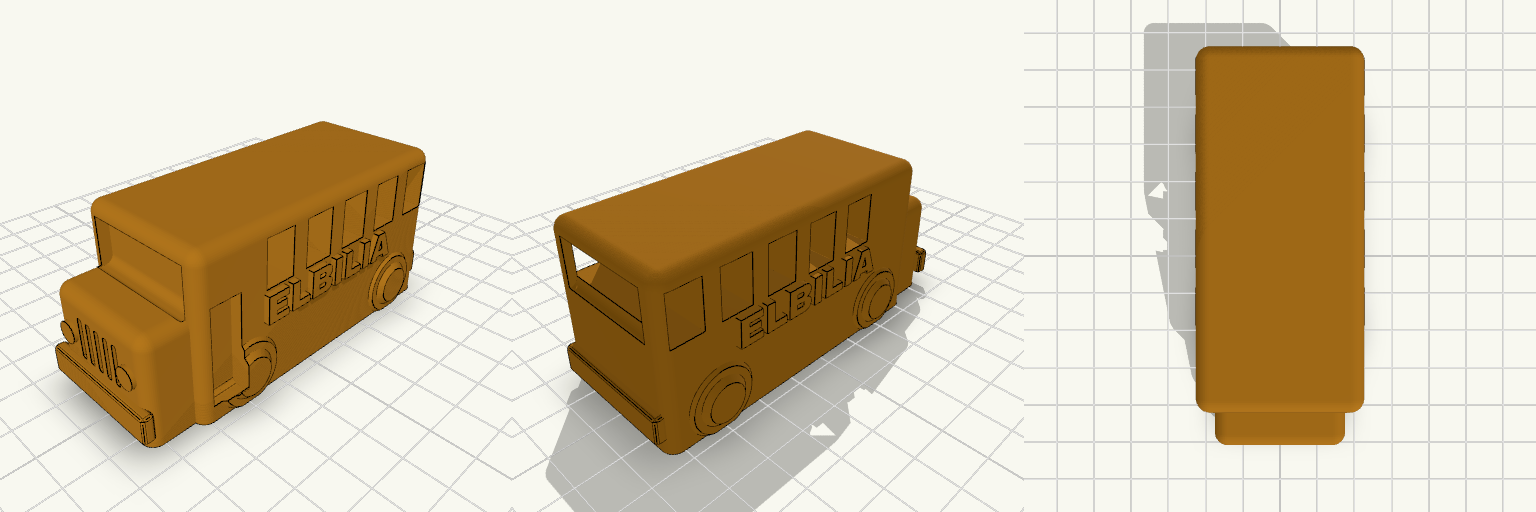
MiniBus Elbilia
A highly stable, monolithic desktop phone stand built entirely for reliable FDM printing. It features a continuous heavy-base profile that resists tipping, an integrated 65-degree resting plane, and a deep front retaining lip. Remix & Mod Hooks Resting Angle: Currently cut precisely at 65 degrees; shifting the top control points can stand the phone up straight for video calls or lay it back for touch typing. Cable Routing: Features an invisible internal bend channel. The 18x15mm pass-through slot is sized for standard USB-C heads, but can easily be widened for thick multi-cables. Base Profile: Built as a single continuous 2D extrusion. Extending the base depth (Y axis) or adding weight-reduction cutouts are trivial modifications for someone looking to save filament or stretch the footprint.
Retro TV Enclosure v2
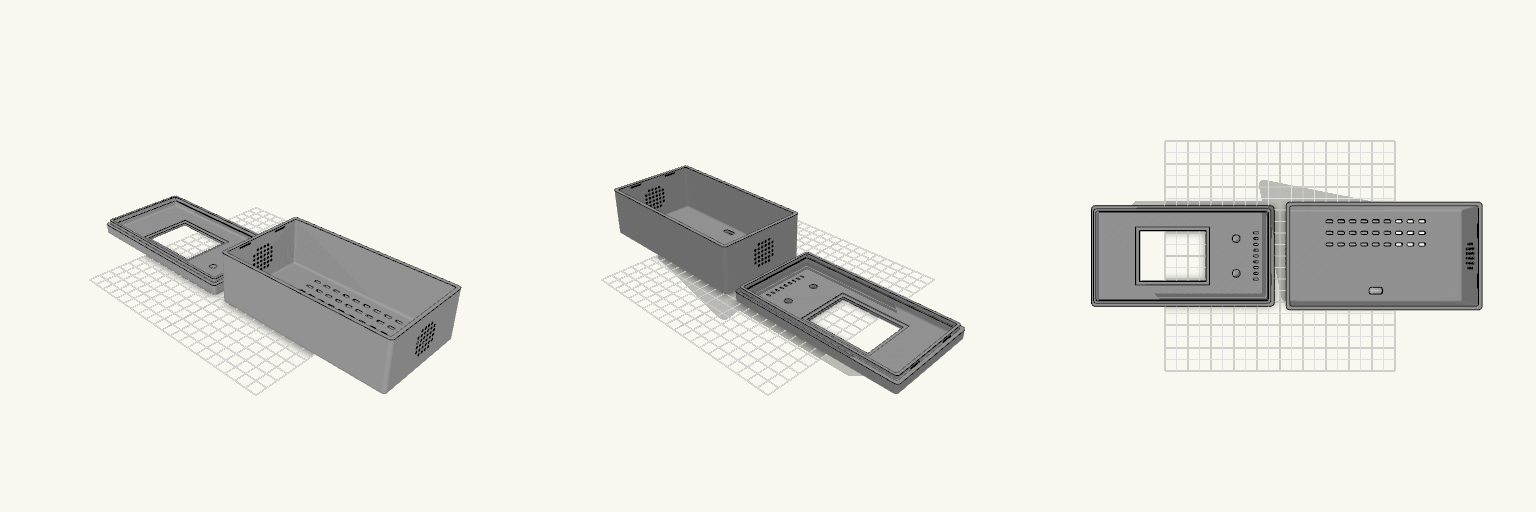
A reinforced retro TV enclosure designed for an RP2040 video player project. The walls have been bulked up for extra durability without compromising the interior payload space, while side-firing one-inch speaker grilles and a classic bent antenna give it a finished look. What it's for Built to house a no-solder RP2040 media player. The clamshell locks together with an integrated friction fit and the entire model prints flat on the bed with zero supports. Dimensions Internal volume: 150 × 80 × 50 mm Wall thickness: 5 mm (beefed up from standard) Grilles: 25.4 mm (1 inch) perforated arrays on the left and right panels Assembly Both halves print cleanly flat. Slide your display into the front bezel's chamfered recess, route the cables out the back USB port, and firmly press the halves together until the interior ridges lock.
TCG Pre-Grading Imaging Stand
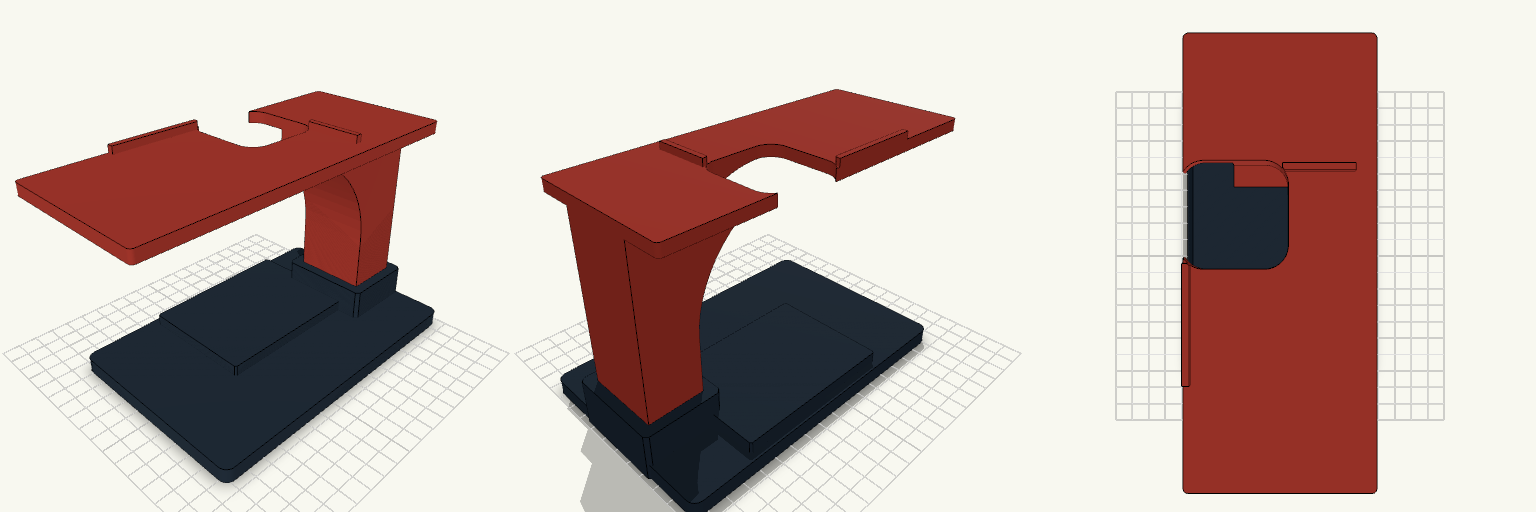
A two-piece cantilever imaging stand engineered specifically for trading card pre-grading and the iPhone 16 Pro. The design strips away light-blocking walls in favour of an open C-arm structure, allowing desk lamps to rake across the card from three sides without casting harsh structural shadows. The stand breaks down into two separate pieces for flat printing without supports. Raised Pedestal: Sized at 64x89mm to fit standard raw or penny-sleeved cards (like Pokémon or MTG). The raised platform prevents edge-shadows that occur when cards lie flat on a desk. Tactile Phone Rails: Raised outer guides sit flush with the iPhone 16 Pro's straight edges, bypassing the camera bump. Push the phone flush into the top-left corner rails to perfectly centre the lenses over the card. Focal Clearance: Suspends the phone 160mm above the card, providing the ideal distance for macro focus while keeping the entire card squarely in the frame.
A-Frame Mobile Stand
A sturdy, functional stand for phones and small tablets. Designed with a 35-degree viewing angle, it works nicely for watching media or keeping an eye on notifications while at your desk. Features a 16mm-wide cutout for routing charging cables Includes a solid rear spine to prevent flexing when tapping the screen 14mm resting gap accommodates most phones, even with a case Prints in one piece without supports
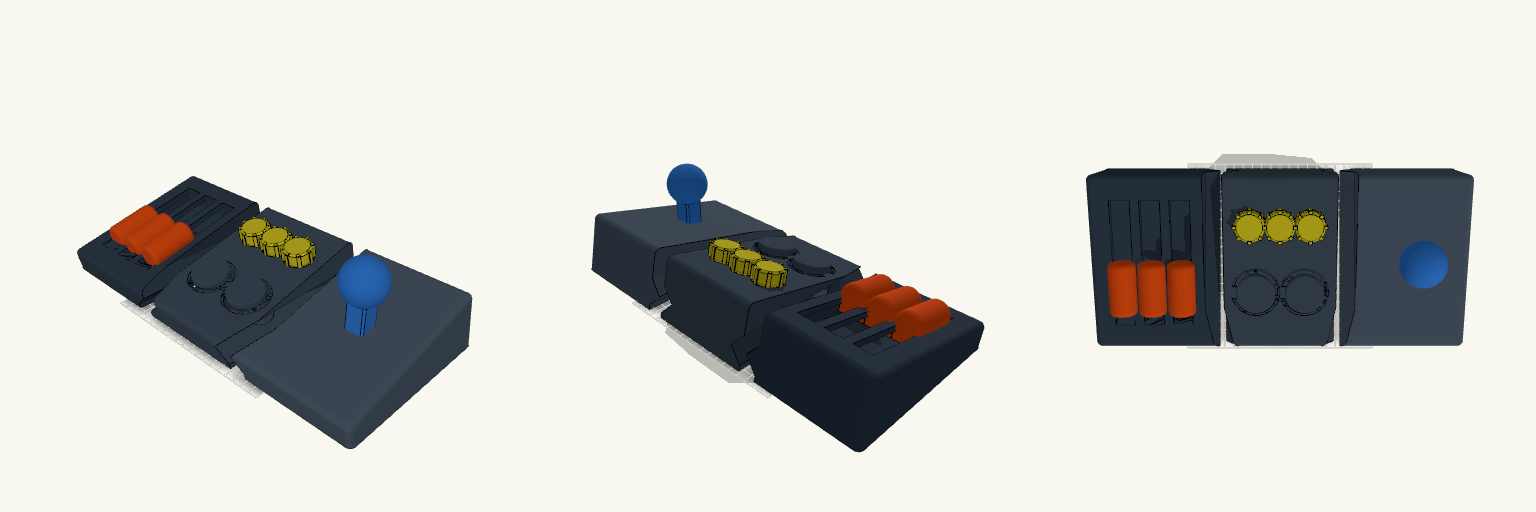
Titan — Modular Command Console
The command desk needed an upgrade. Built to double the footprint of the original, this massive control surface delivers tactile feedback on a completely different scale. Because the final width crosses 340mm, the console is split into three standalone modules locked together by heavy, full-length printed dovetail joints. Every mechanism prints fully in place—no screws, springs, or glue required. Features Triple Throttle Bank: Three independent captured sliders run on generously toleranced T-slots. Oversized Buttons: 40mm caps tied into the deck via compliant living hinges for a satisfying dead-press. Rotary Array: Three massive dials running on captive friction-fit cones that cannot pull out. Gimbal Joystick: A true two-axis gimbal mechanism built completely around FDM bridging limits. Print Notes Modular Layout: Print the Left, Center, and Right blocks separately. Each easily fits a standard 220x220 build volume. Clearances: Designed with a fixed 0.3mm (0.6mm total) clearance gap across all joints and moving parts. Wait for the bed to fully cool before cracking the mechanisms loose. Orientation: Everything prints exactly as oriented. The 13-degree incline is handled natively, and the gimbal joints use 45-degree diamond pins to print entirely without supports.
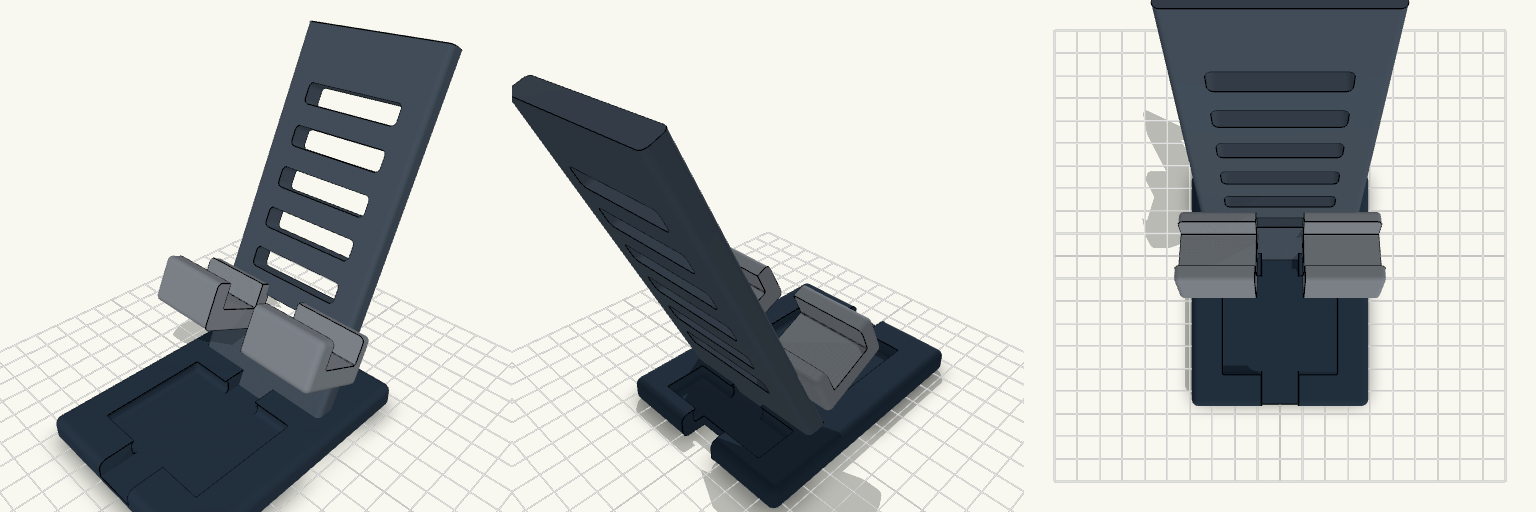
140mm Angled Phone Dock
A rigid desktop dock designed to support modern smartphones. The structure features a 65-degree viewing angle and integrated cable management for charging while docked. Specifications Base: 76mm x 100mm with routed cable channel Spine Height: 140mm for standard and plus-sized devices Cradle Slot: 18mm depth to accommodate most cases Construction: Single-piece fixed geometry