Description
A flat 90x90mm tray with an 8x8 internal grid and a matching set of puzzle blocks.
- Tray: 90x90mm outer dimensions, 10mm high, 2mm walls and base, with 0.5mm deep grid lines separating it into 64 fields.
- Blocks: Assorted flat 2.5mm thick puzzle shapes (T, L, Square, S, Long-3, Long-2, Dot, 6-Block) sized to fit the grid with 0.5mm clearance. Each block features a single vertical tab on one edge for easy placement and removal.
Photos
Technical views
More like this
Explore more in Desk & Tech →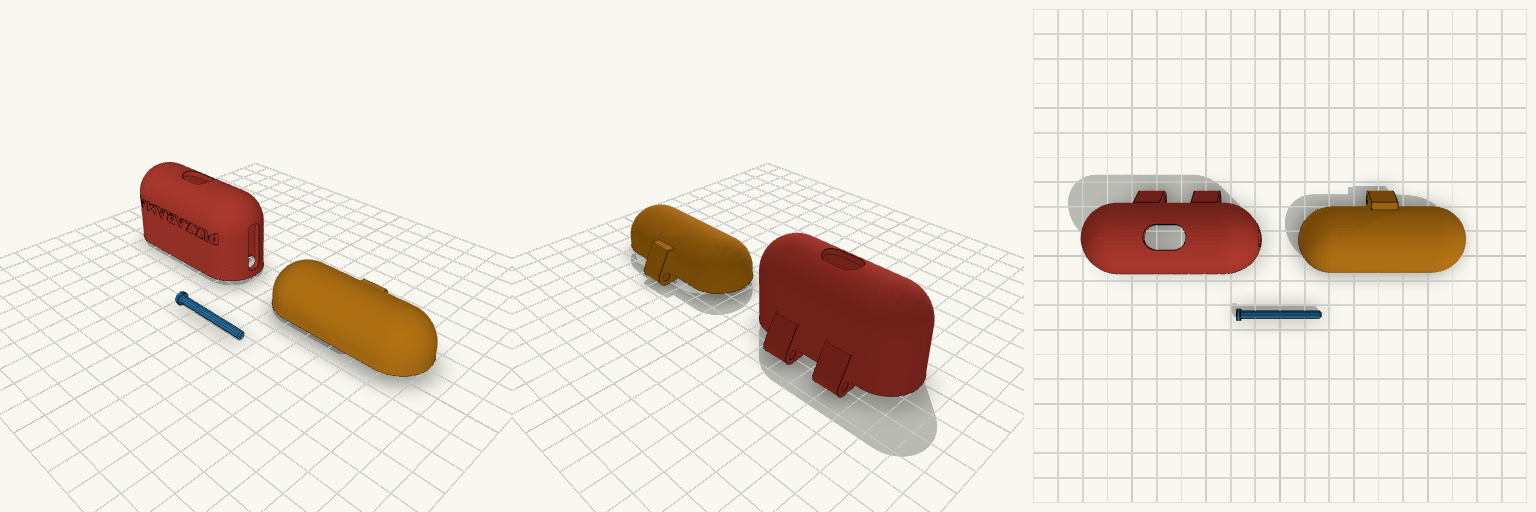
Melted Font AirPods Pro Case
A rugged, 3D-printable AirPods Pro 2 case with custom "PIZZARAMA" lettering styled to look like melted cheese. This two-part shell features a print-in-place hinged back, embedded magnet snaps for a solid closure, and tailored cutouts for the charging port. Remix Hooks Typography: Currently using Rammetto One at 4.5mm size for maximum chunkiness — swap it for something sharp and industrial if you want a different vibe. Magnets: Uses 3mm round magnets in a compact front lip. The housing walls are balanced at ~0.9mm, which is safe for FDM printing. Hinge: Uses a 3mm printable pin. You can scale the knuckle tolerances or sub in a piece of raw 1.75mm filament as the pin if you'd prefer an ultra-low profile hinge.
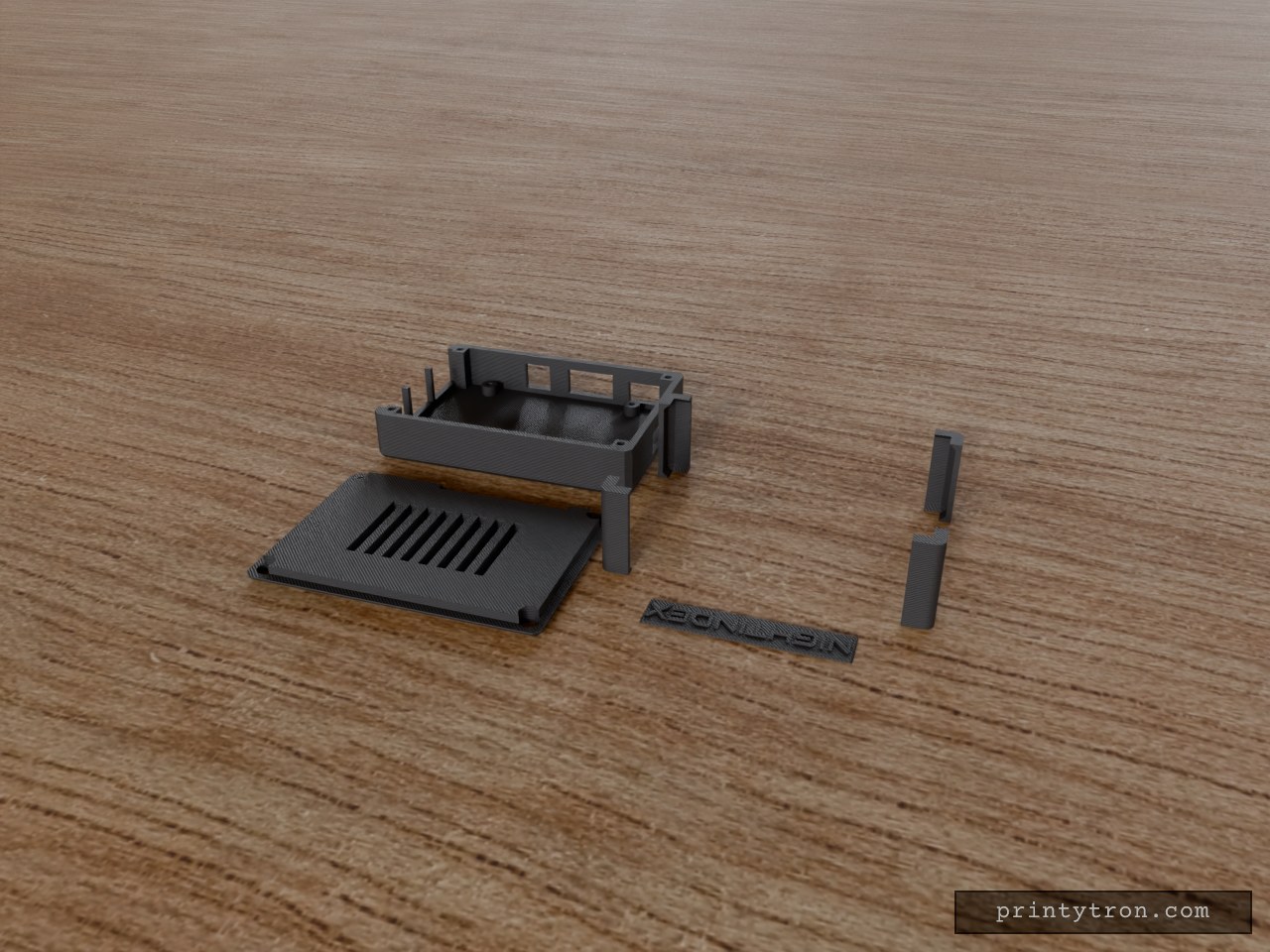
Pi 3 case
A bare Raspberry Pi 3 is so light that hooking up a standard HDMI cable instantly tips it off the desk. This case locks the board into a heavy enclosure and uses snap-on outer corner bumpers to give it some actual grip, so the board stays exactly where you put it. The port cutouts are oversized enough to accept real molded cables without them binding against the shell. Bed Fit: Everything is packed tightly to fit in a single run on a 180×180 mm print bed. Printing: All pieces sit flat on the plate. No supports required anywhere. Clearances: Built with a 0.4 mm gap around the board and lid joint so it slots together cleanly.
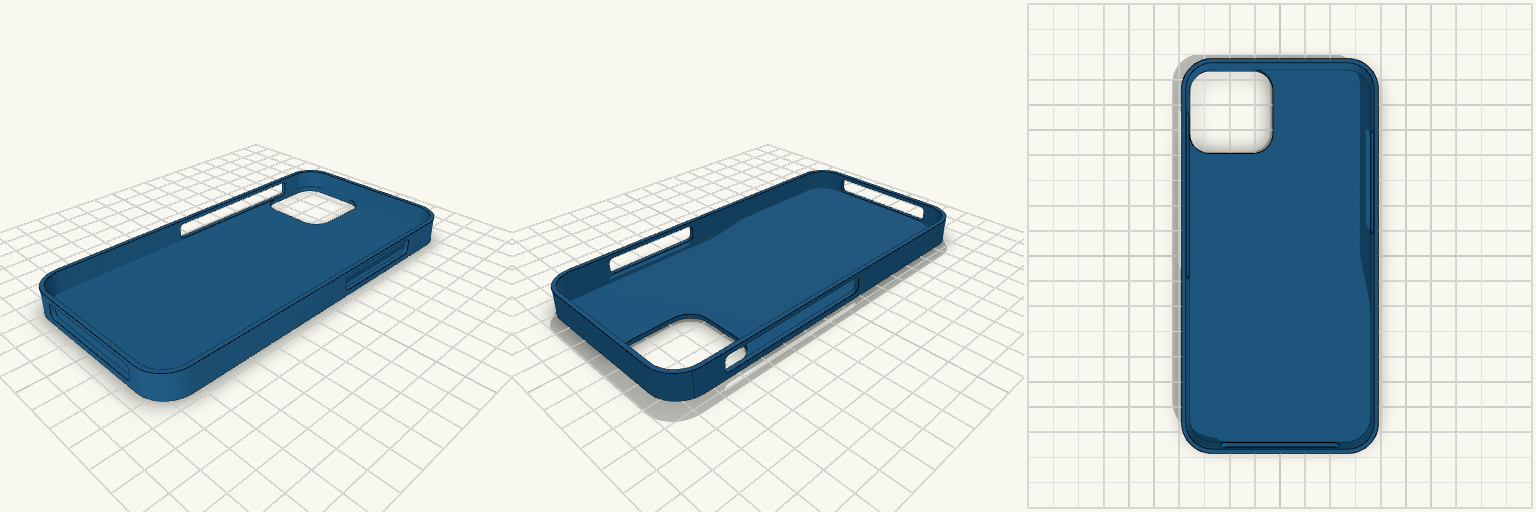
Aero — Windowed iPhone 13 Case
A custom-fit TPU or rigid shell for the iPhone 13. This model secures the device by preserving the upper retaining lip around the entire perimeter. The button zones have been converted from open edges into generous side windows—exposing the hardware for clean, tactile presses while maintaining the structural rigidity required for a snap-on fit. Features Retained Lip: The front edge wraps uninterrupted around the face of the phone to keep it locked in. Button Windows: Wide, centered side cutouts give your thumbs unobstructed access to the volume, mute, and power hardware. Camera & Port Clearance: Precise cutouts for the rear camera bump and the bottom lightning/speaker array. Print notes If printing in rigid filament (PLA/PETG), ensure your printer is well-calibrated; a slightly tighter tolerance may snap. TPU is recommended for the best balance of flex and grip.
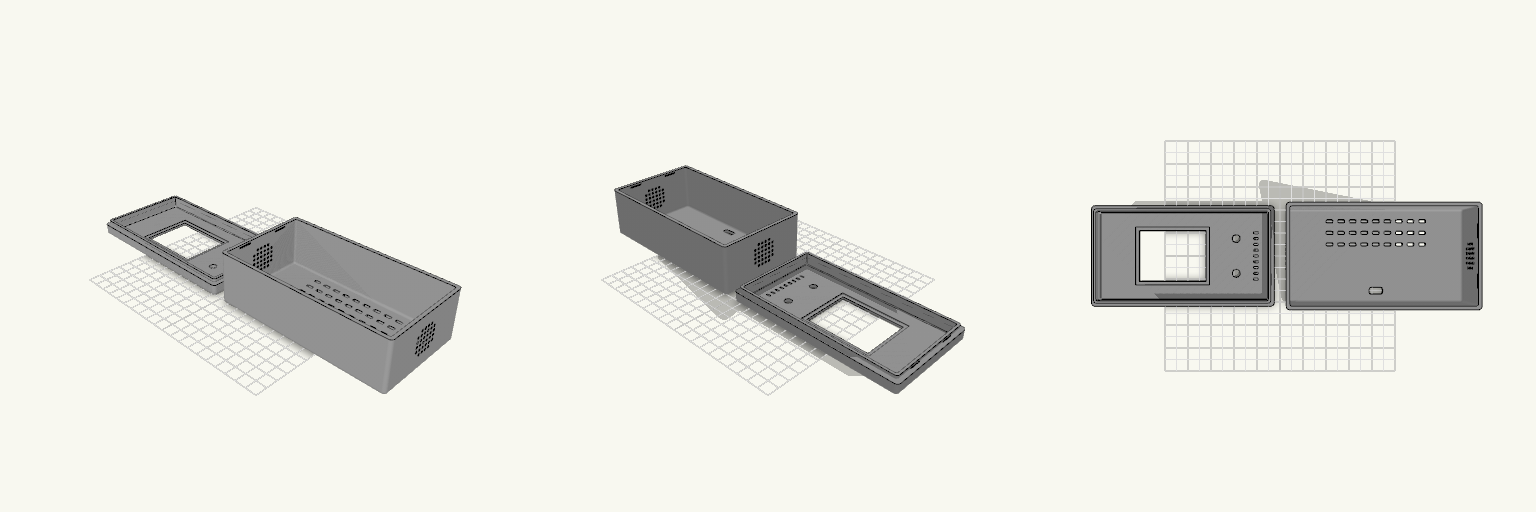
Retro TV Enclosure v2
A reinforced retro TV enclosure designed for an RP2040 video player project. The walls have been bulked up for extra durability without compromising the interior payload space, while side-firing one-inch speaker grilles and a classic bent antenna give it a finished look. What it's for Built to house a no-solder RP2040 media player. The clamshell locks together with an integrated friction fit and the entire model prints flat on the bed with zero supports. Dimensions Internal volume: 150 × 80 × 50 mm Wall thickness: 5 mm (beefed up from standard) Grilles: 25.4 mm (1 inch) perforated arrays on the left and right panels Assembly Both halves print cleanly flat. Slide your display into the front bezel's chamfered recess, route the cables out the back USB port, and firmly press the halves together until the interior ridges lock.
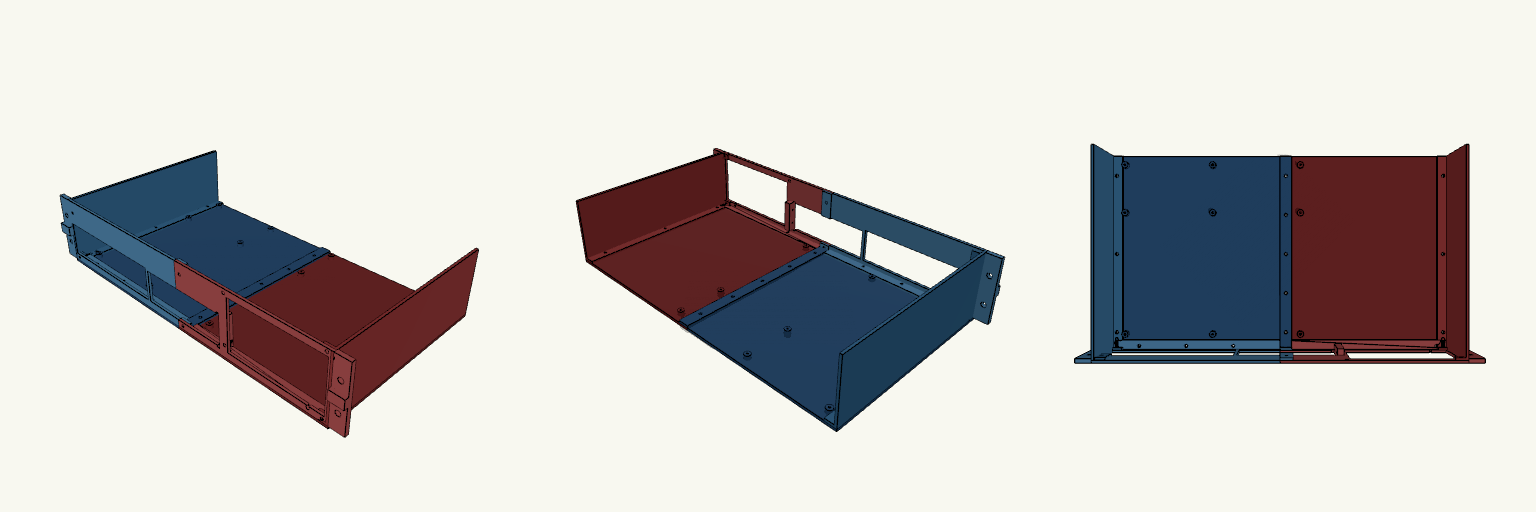
2U Micro-ATX Split Rack Chassis
What it's for A 2U 19-inch rack-mountable PC chassis split into two halves for printing on standard 256mm beds. Designed for a Micro-ATX motherboard, standard ATX power supply, and horizontal GPU mounting via a riser. Dimensions Overall assembled width is standard 17-inch spec, fitting within standard 19-inch racks. 89mm (2U) height with 250mm depth. Left half handles motherboard I/O, right half mounts the PSU and GPU. Hardware layout Includes exact standard mounting holes for an ATX PSU (asymmetric 4-hole pattern), 9-hole standoff grid for Micro-ATX directly into the base plate, and a front-facing horizontal GPU slot with side-mounting pilot holes for standard PCIe brackets. Rack ears include front-side stiffening ribs.
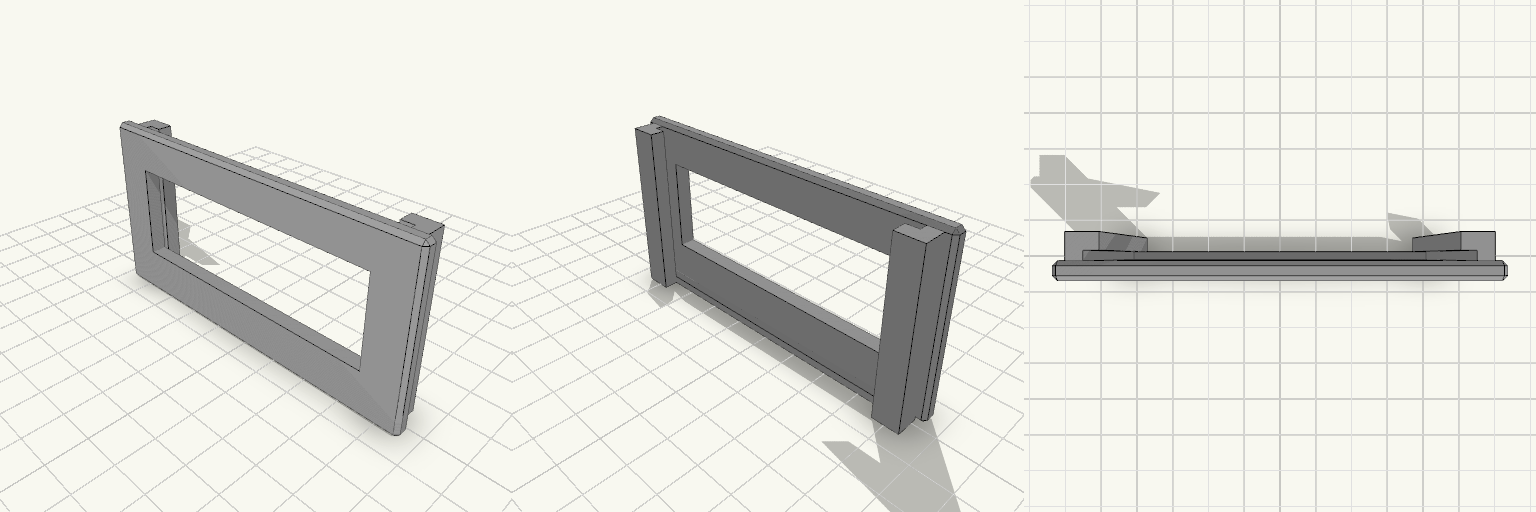
Arc Reactor Docking Console
A modular desktop console base designed to securely dock and display a prop Arc Reactor. The underlying architecture prioritizes easy electronic integration without resorting to threaded inserts or messy glue. The chassis walls run at a lean 2 mm, shedding unnecessary material while preserving the rigid industrial aesthetic. Integration Points OLED Mount: A friction-fit slide track drops down directly behind the front JARVIS bezel, sized for a standard 0.96-inch (128x64) I2C OLED PCB (roughly 27.5 mm width). Control Board Cradle: The bottom service panel incorporates a built-in snap-fit cradle engineered for a standard ESP32 development board, positioned exactly in line with the rear USB-C access port. Reactor Mount: Features a 93 mm forward-pitched docking collar. Clearances: The top dock, bottom panel, and front bezel are modelled as separate bodies in the source for multi-part printing if needed, built with 0.4 mm clearances where they meet.