Basic Geometric Ziggurat
Created today
Description
What it's for
A 6th-grade style Mesopotamian ziggurat model made from bold, basic geometric shapes. The structure relies on simple stacked cubes for the main tiers, a chunky 6-step staircase to represent a grand ramp, and a classic triangular roof capping the top shrine.
Dimensions
- Base Tier: 100 × 100 mm
- Total Height: 85 mm (including the new roof)
- Staircase: 6 large blocks, extending 60 mm outward from the center.
Print notes
This model is built flat to the plate and requires zero supports. The large geometric shapes make it a very fast, reliable print in any standard filament.
Photos
Technical views
More like this
Explore more in Decor & Display →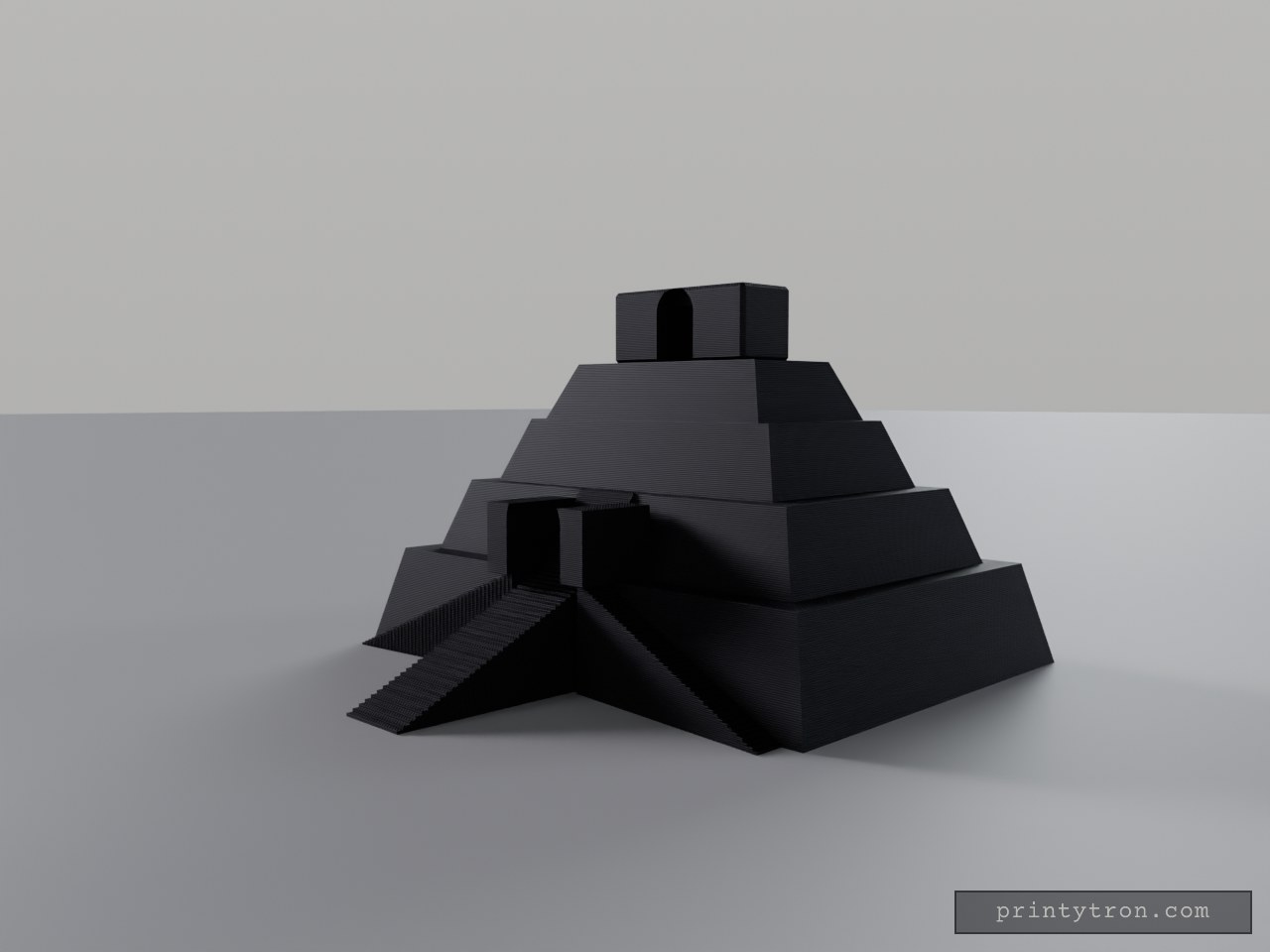
Historical Ziggurat Model
An architectural scale model echoing the layout of the Great Ziggurat of Ur. It features a rectangular tiered base, the historically authentic triple-converging staircase assembly, and a midway gatehouse leading up to the final summit shrine. Remix Variables The layout is driven by clear step-and-tier geometry designed for easy modification: Tier Arrays: Arrays defining [width, length, height] for each level (140x100x24 for the base) let you scale the footprint or add levels effortlessly. Stair Stepping: The step loops scale their rise and run to exactly match the tier heights, making it trivial to change the vertical scale of the structure without breaking the stair logic. Taper Control: A single global inset drives the draft angle of the walls across all tiers.
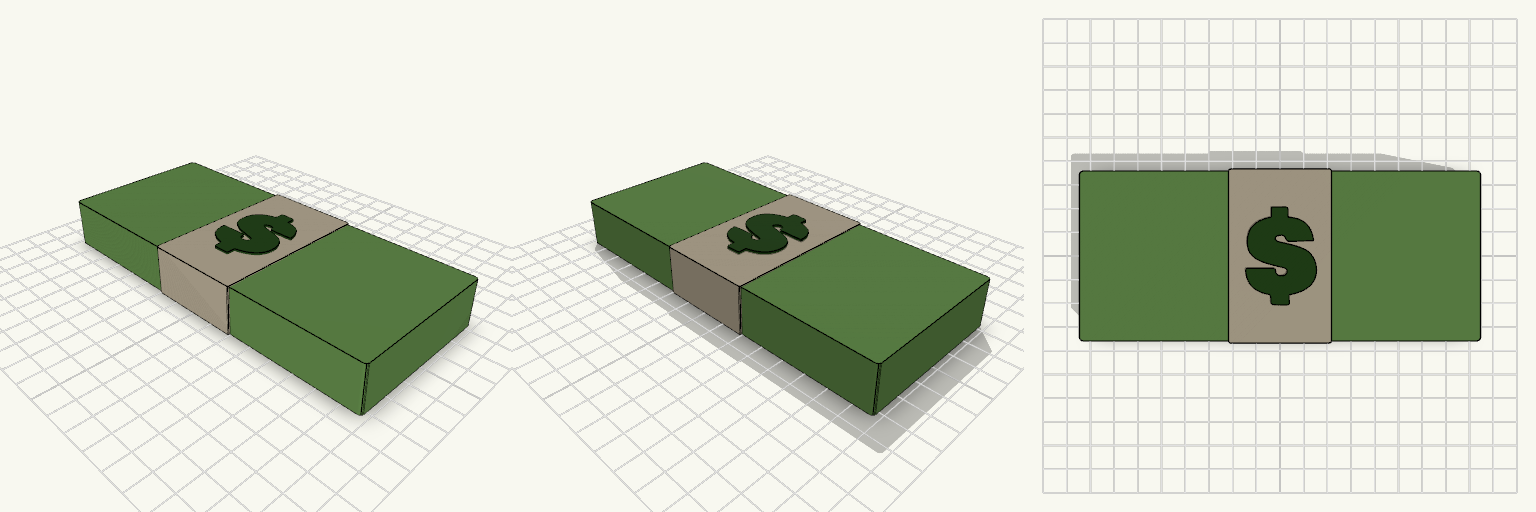
Cartel Currency Stack
A solid brick of unapologetic paper wealth, banded together for easy transport. Modeled after the footprint of standard US currency, this thick stack makes a perfect paperweight, a prop for your next heist short film, or a heavy-duty desk flex. Bank Notes Dimensions: Roughly 156mm × 66mm — true to a standard dollar bill footprint. Printability: Sits flat on the build plate. No supports required. Customization: Swap filament colors at the 20.5mm mark to make the strap and the dollar sign pop against the stack.
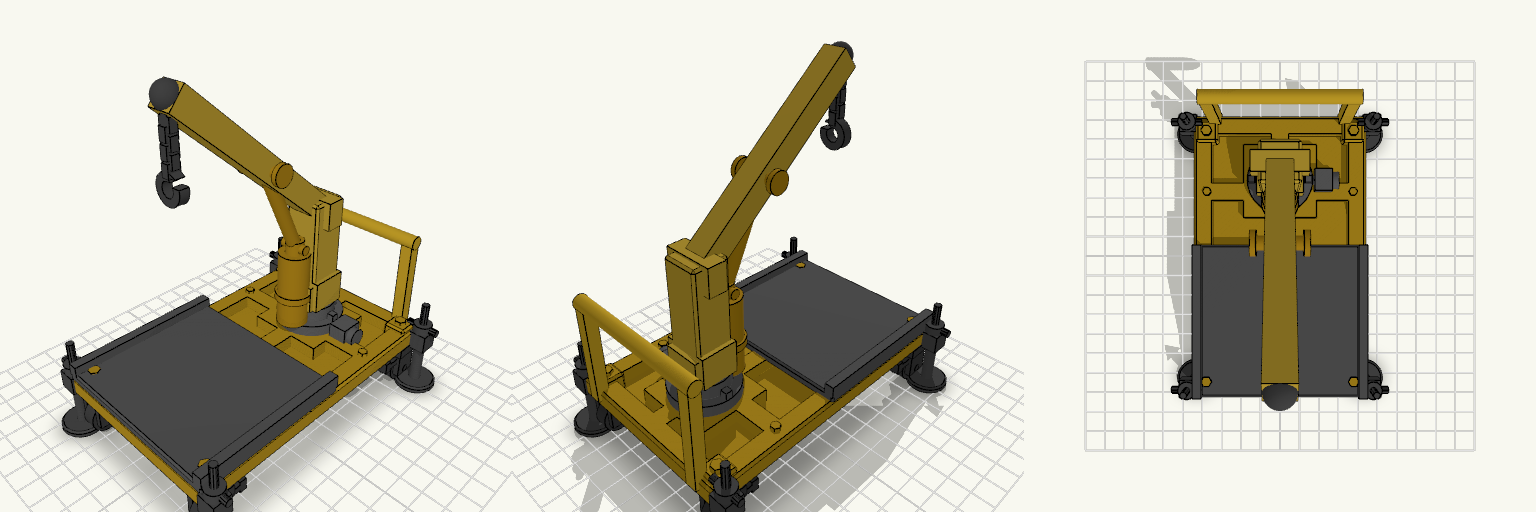
Miniature Lifting Trolley Prototype
A demonstration-scale lifting trolley for a mechanical engineering project: rectangular frame, flat platform, four swivel casters, four corner stabilizer legs, a rotating boom base, a bottle jack, a hook with chain, and a push handle. Display model only. The real design targets 900 kg, but this print cannot lift loads. Remix hooks Frame: 80 x 130 x 8 mm. Scale it for a longer platform. Boom: 95 mm at 50 degrees. Change the angle or length to alter reach. Legs: 5 mm rods, 22 mm long. Lengthen them for a higher stance. Pairs with: a small printed crate as a payload.
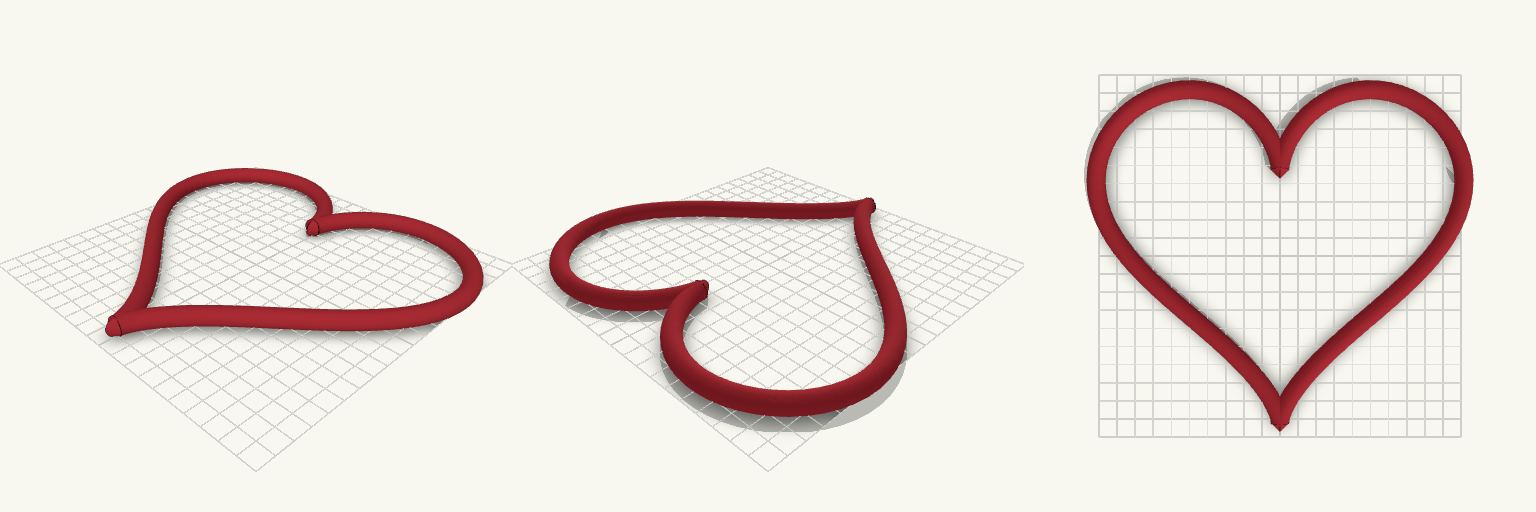
Aerocord — Wire Heart Frame
A smooth, continuous 10mm tubular loop mathematically traced into a classic heart shape, scaled to a full 20cm span. Ideal as a minimalist wall piece, a wreath frame, or a standalone desk feature. Dimensions Width: 200 mm Cord Diameter: 10 mm Overall Profile: Sits flat with a 10 mm Z-height Features Continuous Sweep: A closed tubular loop with no hard joints. Classic Proportions: Driven by standard parametric heart equations for a familiar, balanced shape. Ready to Print: Sits perfectly flat on the bed, requiring zero supports.
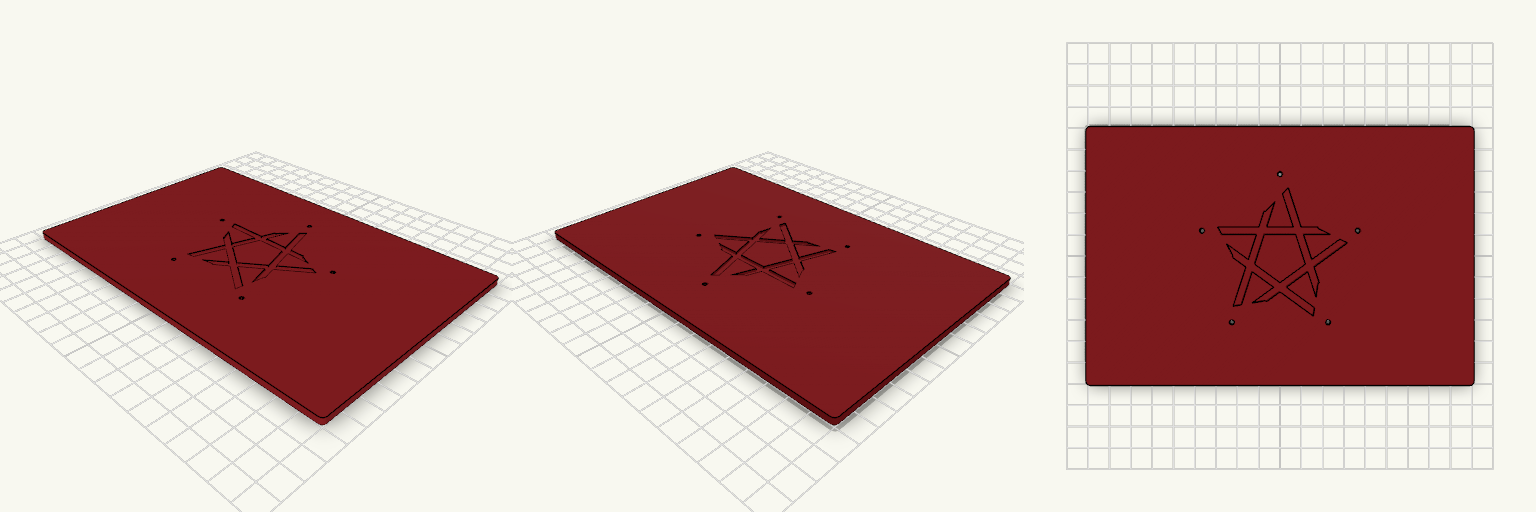
FLAGE MAROCAINE
A precisely dimensioned 180x120mm base for a Moroccan flag assembly. The model features an accurate 1mm-deep recess carved as five intersecting straight lines, capturing the true geometry of the traditional interlaced pentagram. Through-holes at the five intersecting tips provide exact alignment for a matching drop-in star, while doubling as push-out points if the star needs to be removed after test-fitting. Specifications Dimensions: 180 mm x 120 mm x 3 mm Recess Depth: 1.0 mm (maintains a 2 mm solid floor) Alignment: Five 2.4 mm diameter positioning through-holes Print Settings: Prints flat on its back; no supports required
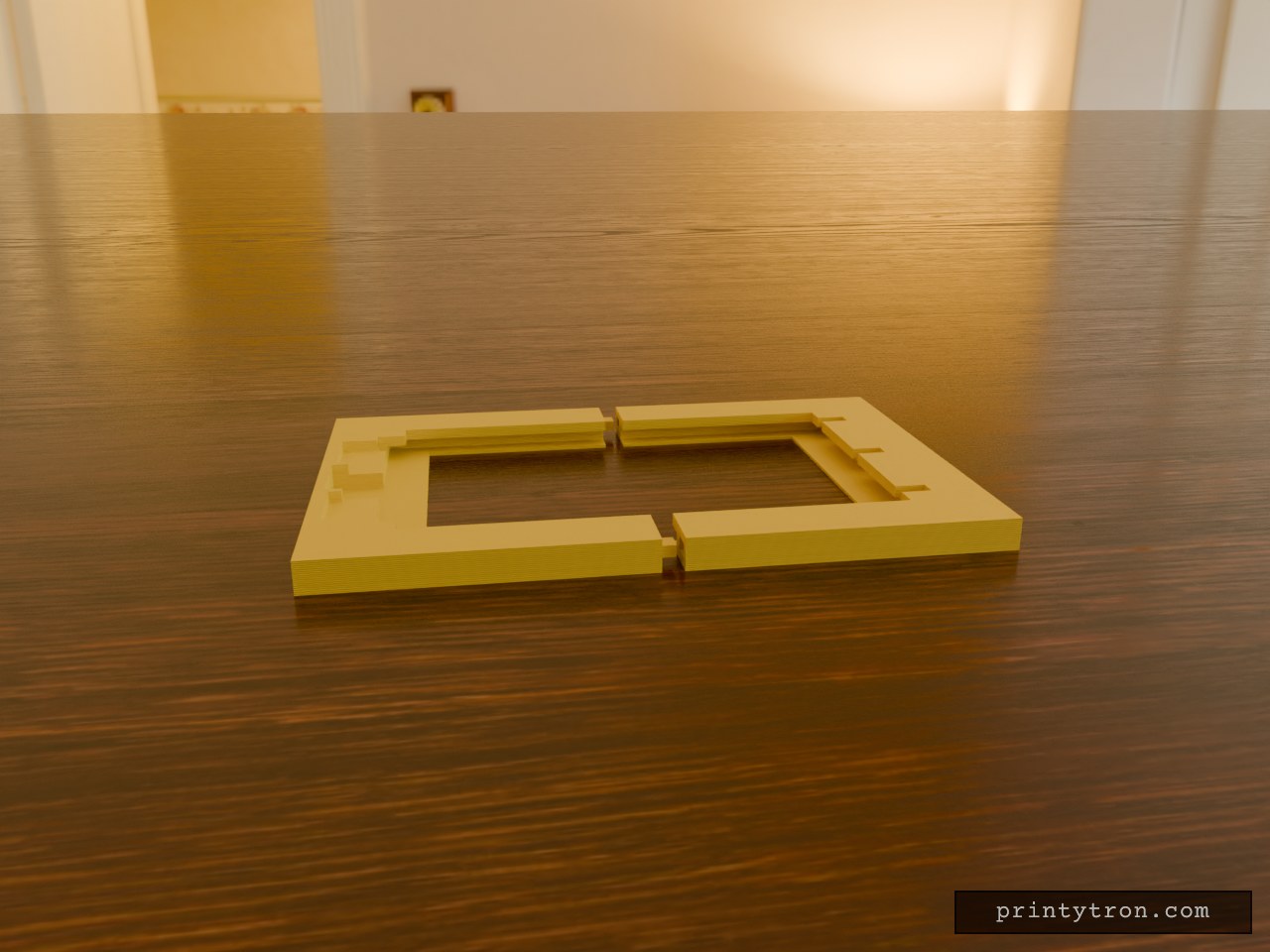
iPad Picture Frame Adapter Rödlam 21x30
A two-part adapter plate that centers a 5th Generation iPad (9.7") inside an IKEA RÖDALM frame. It acts as a solid backing spacer, locking the tablet into the frame body while providing a cutout exactly the size of the active screen. The split design fits on a standard 220mm print bed and joins with simple flat printed tabs, avoiding overhangs entirely. Remixing and Adjustments Screen Cutout: Currently set to 197 × 148 mm. If you swap to an iPad with a different bezel ratio, you can adjust these dimensions to crop it cleanly. Frame Depth: The total block depth is 30 mm. Thinner frames will require cutting down the outer block height. Cable Routing: A 16 × 25 mm rear channel provides plenty of clearance for bulky aftermarket Lightning cables. Joints: Uses simple 11 × 14 mm rectangular biscuits. You can easily scale these or add more pairs for extra rigidity depending on your printer's tolerances.