FoldDeck — Phone Shell and Printed-Hinge Keyboard Cover
Created yesterday
Description
FoldDeck is a clamshell-style phone-and-keyboard case built around a Galaxy A14 5G and a K808 Mini keyboard. The cover folds shut over the phone like a pocket flip-style mini laptop, and the hinge is printed as part of the design, so no pin, screw or other outside hardware is needed.
Features
- Phone shell that replaces the phone's back, with snap hooks, a USB-C slot and flexing button covers
- Keyboard tray with screw posts for the K808 board
- Snap-on face plate with a window over the keys and touchpad
- Printed hinge: 3 mm round stubs on the tray knuckles seat in 3.6 mm blind bores in the shell knuckles
Print notes
- Print the hinge parts with the stubs lying along the bed
- PETG or ASA is recommended for the snap hooks and hinge
- Port, button and camera positions are placeholders until measured
Photos
Technical views
More like this
Explore more in Desk & Tech →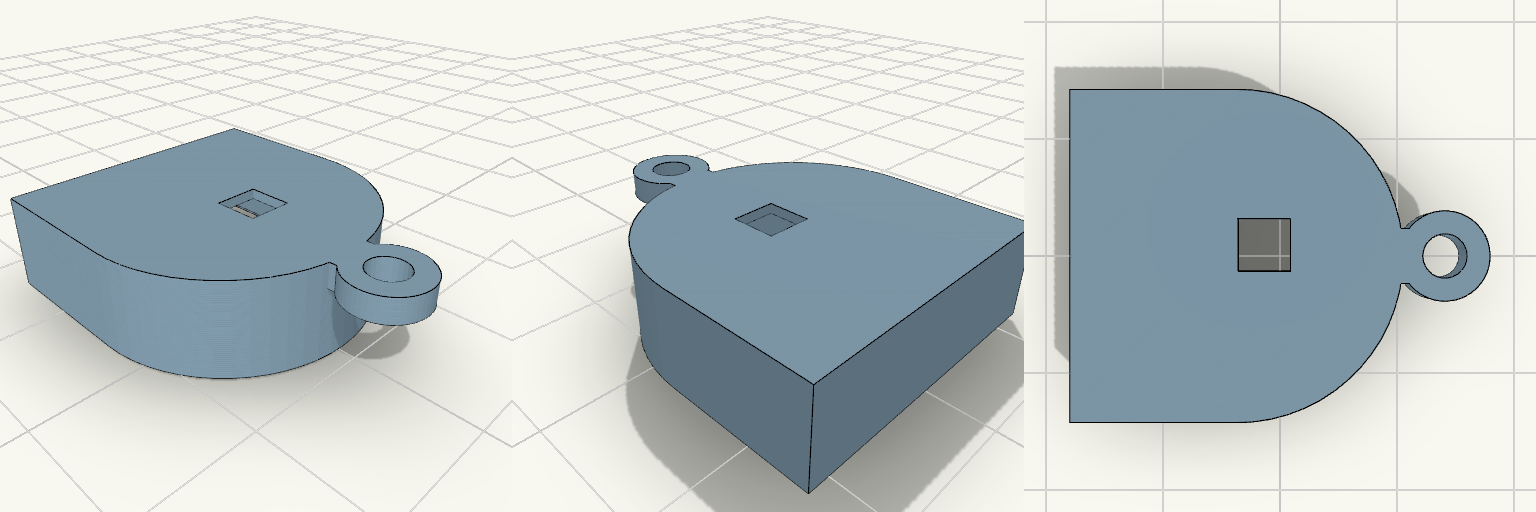
Platinenabdeckung 20x20 mm mit Öse
Abdeckung für eine 20×20×4 mm große D-förmige Platine mit Einrastnasen, Tasteröffnung und Schnuröse an der Rundung. Gesamthöhe 7,8 mm, Decke 0,8 mm, Wandstärke 1,8 mm Tasteröffnung 3,8 × 3,8 mm Öse: 6,5 mm Außendurchmesser, 3,2 mm Bohrung, 2 mm dick, bündig mit der Oberseite Öse sitzt mittig an der Rundung (Y = 0) auf der +X-Seite Empfohlen: transparentes PETG oder PLA
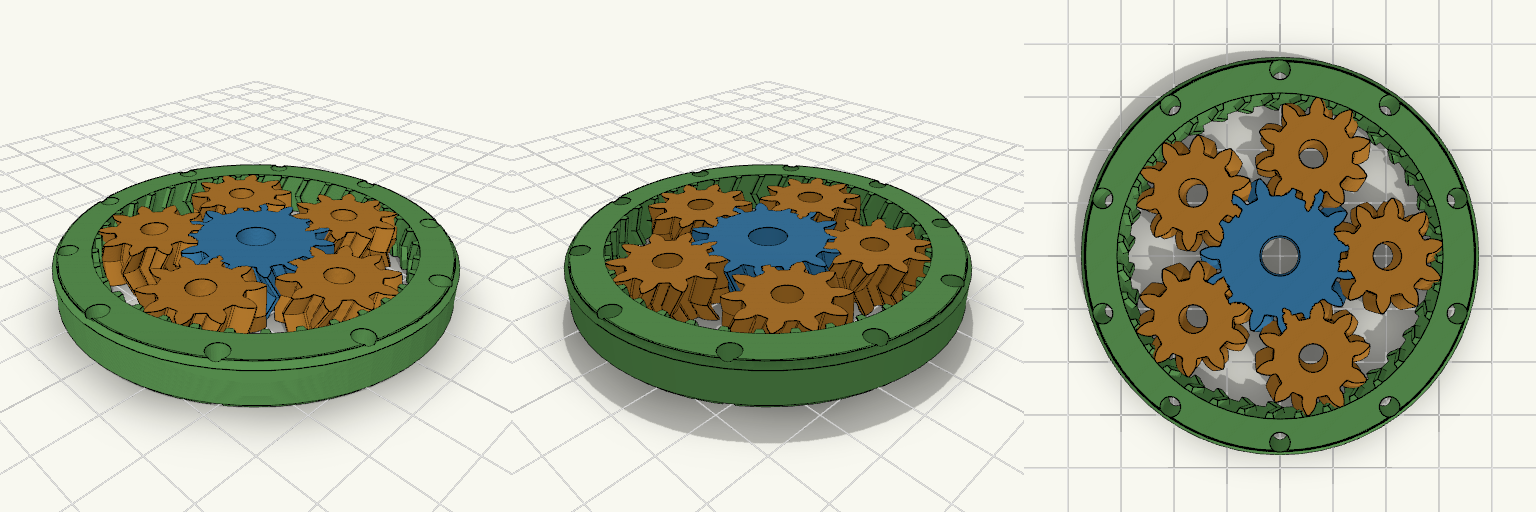
Fidget Spinner Planetario Ø70 mm
Fidget spinner a ingranaggi planetari stampabile in un solo pezzo (print-in-place), diametro esterno 70 mm, con ingranaggio solare centrale, 5 satelliti e anello esterno dentato internamente. L'anello è alleggerito da 10 fori passanti e non ha coperchi, così gli ingranaggi restano visibili. Diametro esterno: 70 mm, spessore 8 mm Modulo 1,5; solare 15 denti, satelliti 10 denti, corona 35 denti Denti elicoidali a spina di pesce (25°) che trattengono i satelliti senza assi Gioco sui denti: 0,25 mm Fori centrali Ø7 mm (solare) e Ø5 mm (satelliti) per alleggerire Stampa piatta, senza supporti; PLA o PETG
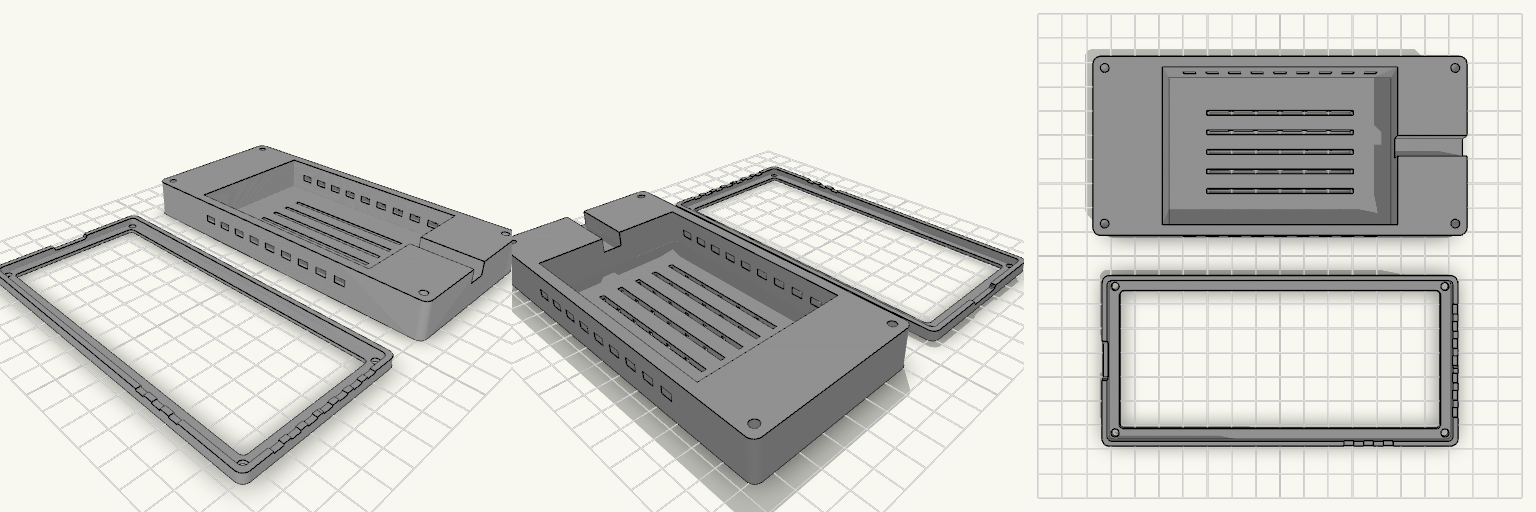
双舱护甲 — 小米5分体电池外壳
双舱护甲是一款为小米5设计的两件式保护外壳:前框固定手机,后盖内置独立电池仓,四角用M3螺丝对锁合拢。分体结构让手机与电池各自拥有独立容纳空间,装配和检修时不必拆散整机。后盖为整体方正的长方体,背面没有凸起,总高16.2 mm,电池仓下沉到块体内部,开口朝向前框。 结构 前框:外形144.55×69.2 mm,厚度4 mm,壁厚2.2 mm,边框加强至4 mm;手机腔留0.5 mm装配间隙。 后盖:与前框同外尺寸的方正长方体,无凸起;电池仓下沉,净空90×60×14 mm,单边留0.5 mm间隙。 开孔:底部16 mm宽Type-C孔,侧边两个按键孔;四角各一个M3通孔。电池仓经一条8 mm宽排线槽通到后盖+X端面。 主板散热:前框+X端墙有7条横向通风槽,–Y长边有9条横向槽,均通向手机腔;+Y侧保留按键开孔。 电池散热:后盖背面有横竖浅格栅槽、5条贯通长槽直达电池仓,两条长边侧壁各有一排通到仓内的槽。 打印与装配 两个零件分开打印,并排摆放在平台上时整体占地约144.6×154.4 mm,总高16.2 mm。前框与后盖通过四角M3螺丝连接。背面的贯通槽、侧壁槽以及前框的主板通风槽都直通内部空间,因此壳体不防水;若需要防水,应去掉贯通槽并在接合面增加密封圈槽。 兼容 适配小米5。按键孔与Type-C孔按常见布局布置;主板散热槽按常见布局布置在+X端和–Y长边。装配前请核对实物位置。
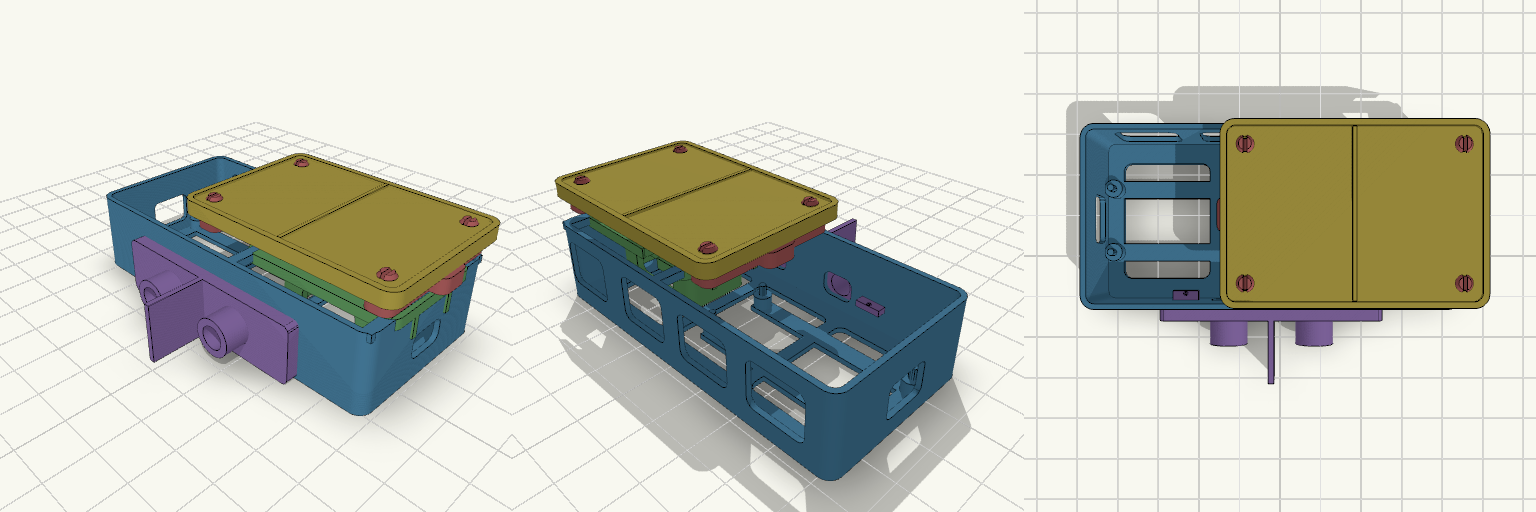
Skeletal — Open-Frame Solar Tracker
Skeletal is a minimal-plastic, screw-free single-axis solar tracker: an open-frame base, a snap-in SG90 servo holder, a rotating platform and a ribbed mock solar panel, with a front bracket that holds two LDRs behind a central divider. Features 1.2 mm walls and an open-frame base to keep filament use low Servo holder with small chamfered snap lugs that grip the SG90 body, so it clicks in and pulls out without tools Cable slot from the base up to the rotating platform Panel centred on the rotation axis, with a raised rim, cell lines and a light ribbed underside Two LDR openings with a vertical divider in the front sensor bracket Print notes Printed flat in PLA, 0.4 mm nozzle, 0.2 mm layers Nano, SG90, horn and LDR dimensions are nominal. Measure the real parts and adjust the values at the top before printing.
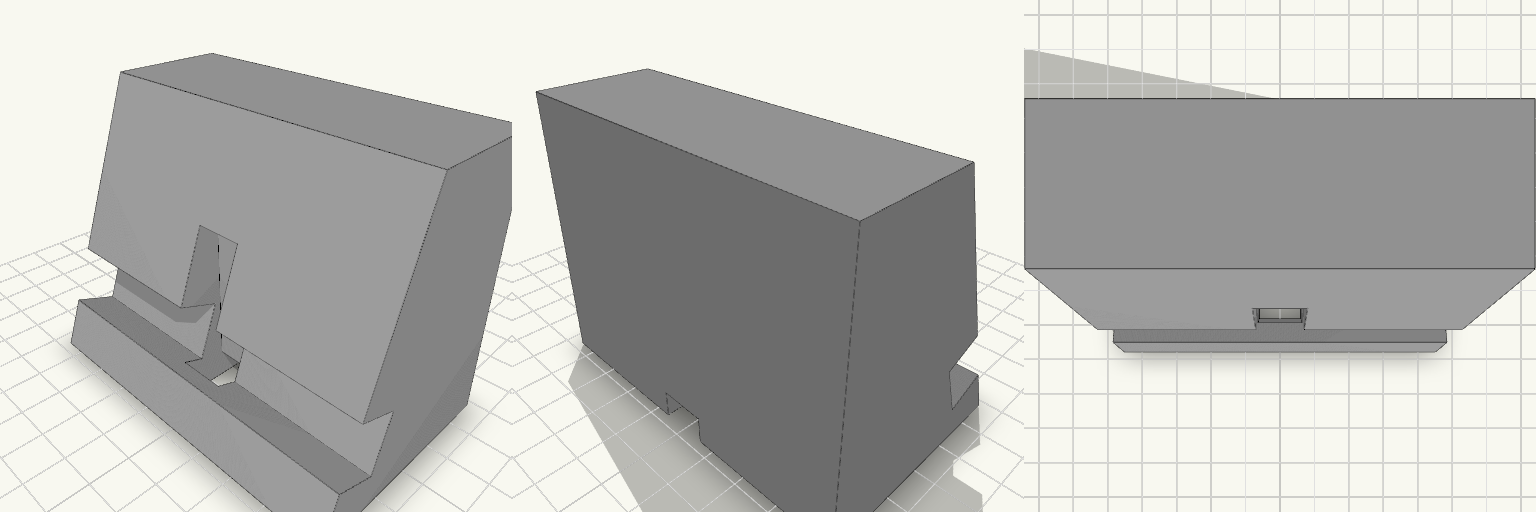
Phone Stand with Cable Channel
A phone stand that holds the phone upright in portrait or landscape, with a cable channel so the charger doesn't pin the phone down or dangle off the edge. Most stands either tip the phone back too far to tap or force the cable to loop around the outside. This one leans the phone at 70° from horizontal and routes the cable up through the stand to the back of the phone. What decides fit and print Lean angle: 70° from horizontal, steep enough to tap the screen and upright enough to watch video. Groove: runs the full 90 mm width, so the phone sits in it in either orientation. It is sized for a phone in a thin case. Cable channel: 12 mm wide, open on the underside of the base. It runs in from the back, then rises through a 12 x 12 mm opening in the groove floor. Overall size: 90 mm wide, about 56 mm deep and 70 mm tall. Printing: the flat base goes down on the bed. The underside channel is a 7 mm-tall tunnel, so print it with bridging on or light supports. No other supports are needed. Material: PLA or PETG both work. Use 3 or more perimeters for a stiffer groove lip.
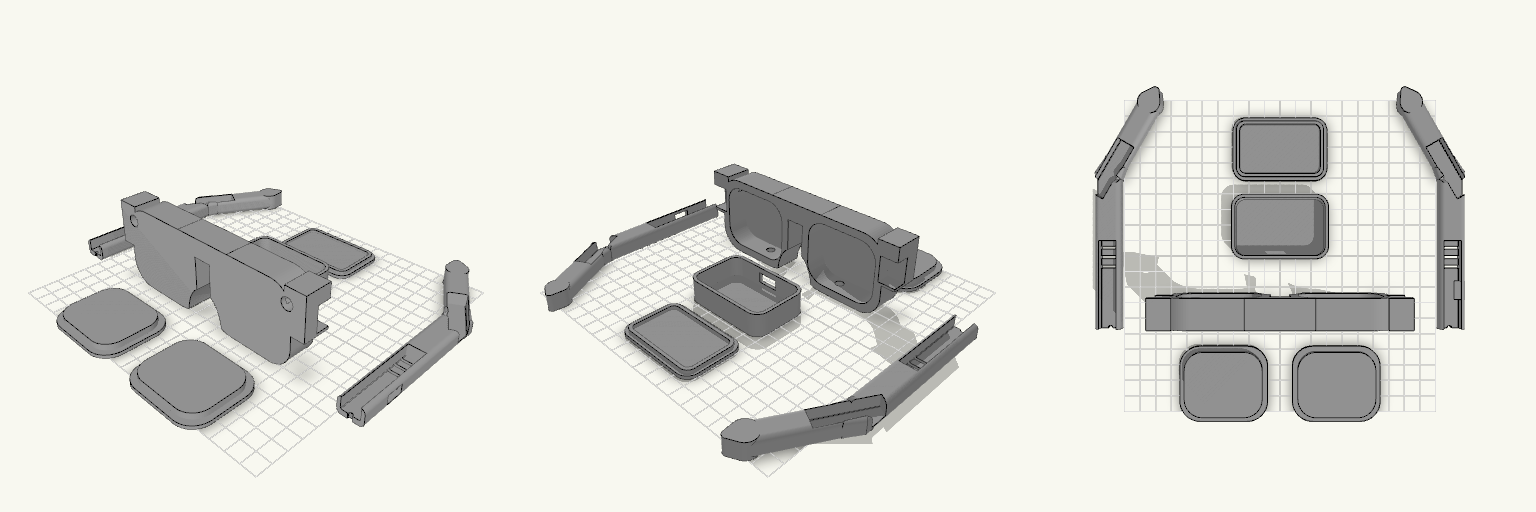
Cyclops Visor Smart Goggles Chassis
A wearable housing for smart-glasses electronics, with a chunky sci-fi visor silhouette: twin rounded lens bays, front camera ports, and downward sensor holes. Hollow temple arms hold speakers and haptics, and a separate electronics box carries the main board. The frame now comes with two cover caps that close the rear eye cavities, so the electronics inside stay protected. Design notes Frame caps: 56 x 48 mm plates with a plug lip that seats in each eye cavity Camera ports: 8 mm wide, 24 mm deep Electronics box with its own lipped lid Arms hinge with 3 mm pins or filament offcuts Prints as separate flat parts, no supports needed