Futuristic Handheld Cyberdeck Enclosure
Created today
Description
This enclosure turns standard portable electronics into a futuristic clamshell cyberdeck, styled after classic oversized handheld gaming consoles.
The design features:
- A Lower Deck with a recessed keyboard well, flanked by integrated D-pad, thumbstick, and action button mounts.
- An Upper Display Shell with a wide screen recess and slim bezels.
- An integrated barrel hinge mechanism that visually connects the two halves while keeping the closed profile slim and symmetrical.
- Edge ports and bottom cooling vents designed for FDM printing without bulky overhangs.
Print the halves flat on their outer faces. The hinge uses standard 12mm barrel clearances.
Images
More like this
Explore more in Desk & Tech →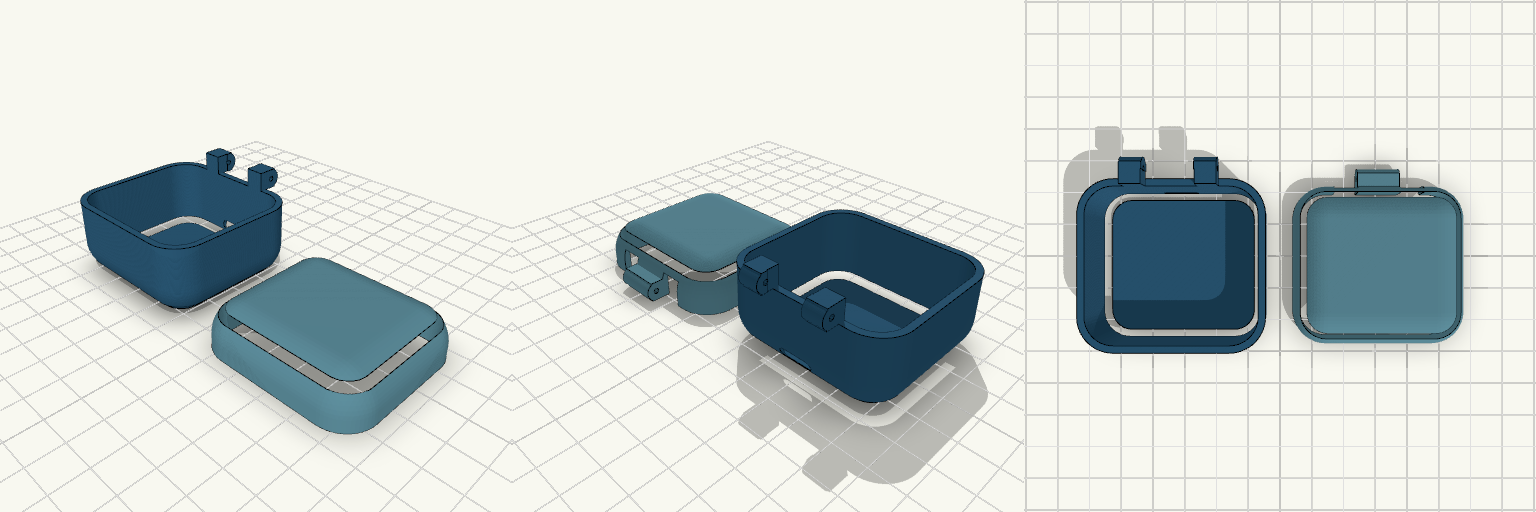
TWS Clamshell Enclosure
A hardshell housing for True Wireless Stereo (TWS) electronics, featuring a robust clamshell design. The base is sized exactly to the requested 52 × 48 × 24 mm footprint, finished with heavy corner rounding for pocketability and a recessed alignment lip for a clean seal. 1.8mm Hinge Channel: Sized to accept standard 1.75mm filament as a press-fit hinge pin. USB-C Port: Centred rear cutout ready for charging board alignment. Print-ready Orientation: The lid and body are separated and sit flush on the build plate for support-free printing.
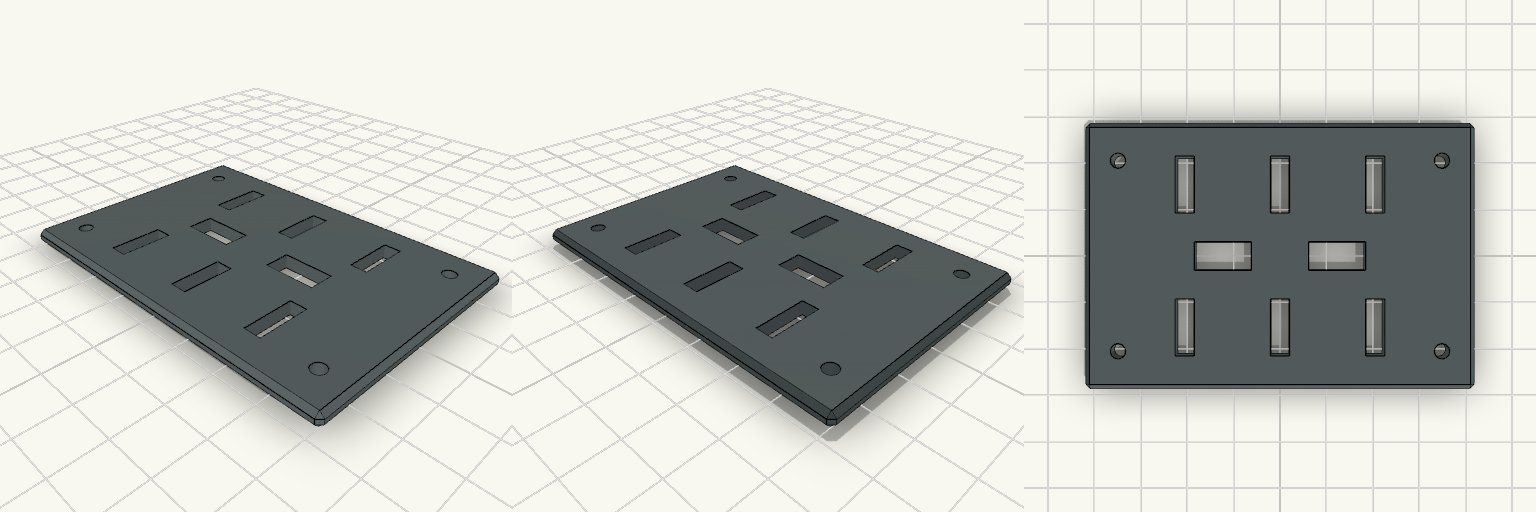
DataStack — Enclosure Core
A lightweight, 4-bay enclosure body for 2.5" SATA HDDs. Features Stripped-down chassis with extensive material-saving cutouts Integrated rails for 4 drives Rear bosses for mounting a custom PCB backplane Designed to be printed on end (resting on the back faces) to avoid internal supports.
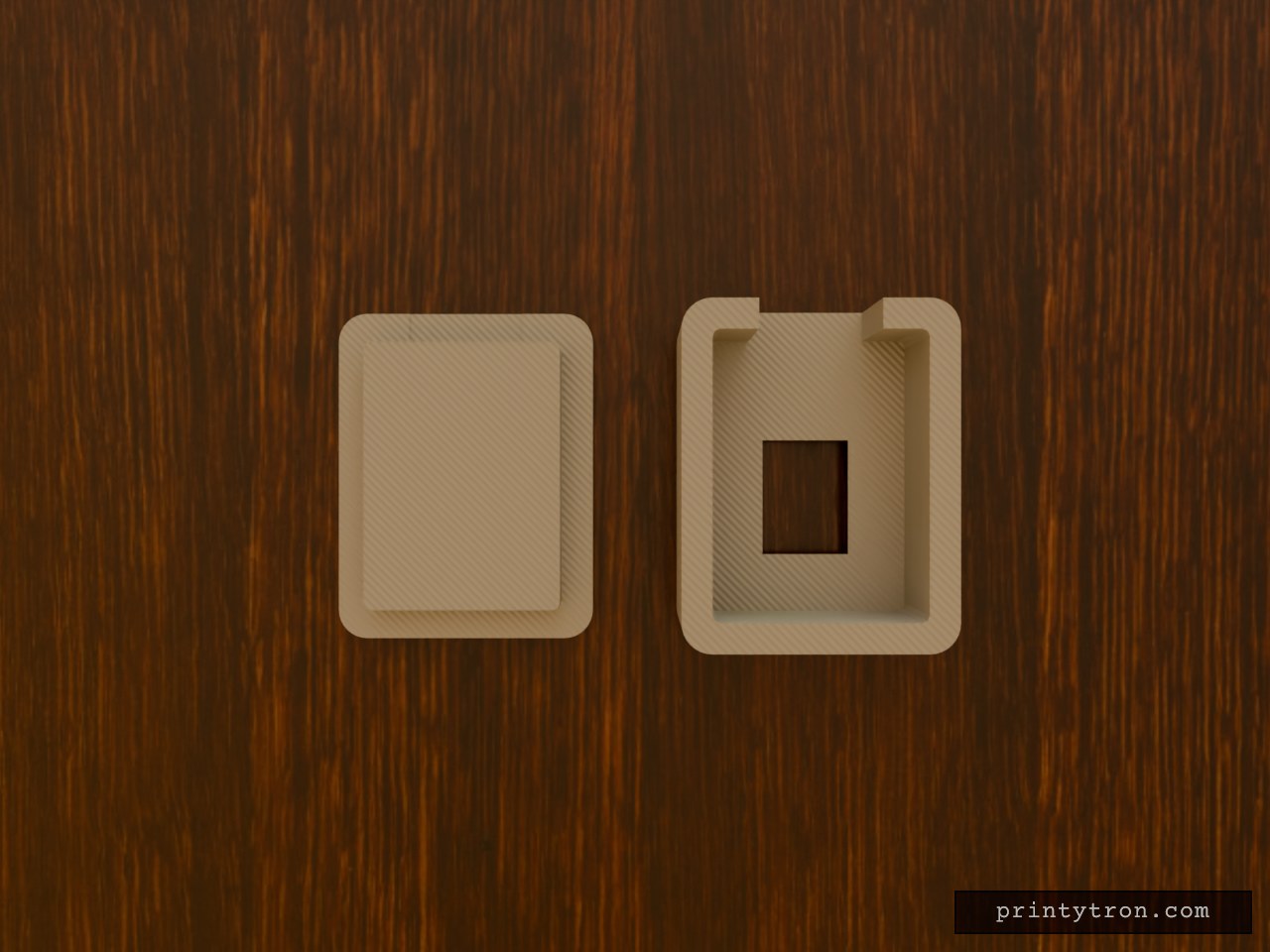
VL53L0X ToF Sensor Enclosure
A compact, two-piece enclosure designed for standard VL53L0X Time-of-Flight breakout boards. It provides full protection for the PCB while maintaining a wide, unobstructed field of view for the optical sensor. What it's for Built to house a downward-facing ToF sensor. The flared aperture prevents the enclosure walls from clipping the sensor's ~25-degree conical field of view, while the flat backplate provides a clean surface for double-sided mounting tape. Dimensions Maximum Board Size: 14 mm × 19 mm (fits standard generic and Pololu breakouts) Internal Depth: 7 mm (plenty of room for direct-soldered wire joints) External Size: 18 mm × 23 mm × 9 mm (assembled) Sensor Aperture: 6 mm × 8 mm at the PCB, flaring out to 12 mm × 14 mm at the exterior Cable Routing: 8 mm wide exit slot on one end Print notes Print both parts flat on the build plate. The main body prints sensor-face down; the internal ceiling spans only 14 mm and will bridge cleanly on any well-calibrated machine without requiring supports. The lid includes a small clearance lip for a gentle friction fit.
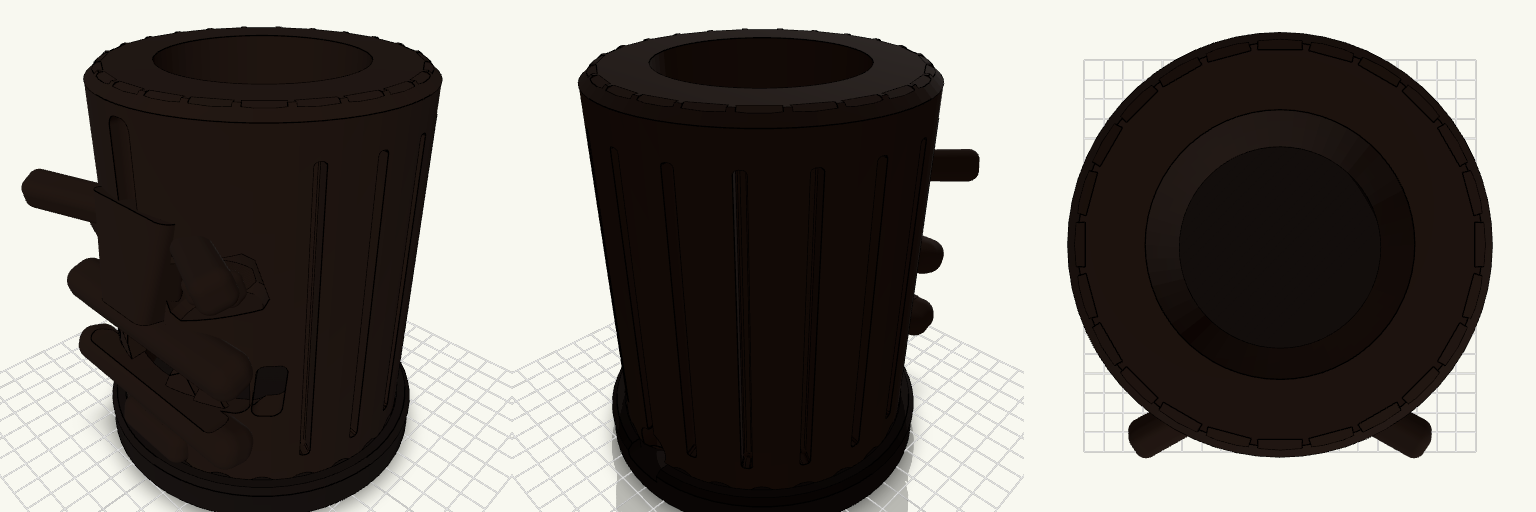
Tiki Speaker Enclosure & Pedestal
Sliding a hollow sleeve over a speaker means the device drags on the desk if you ever need to move it. This adds a dedicated pedestal base to the enclosure. The Tiki drops into a perfectly toleranced pocket, and the Echo Dot sits flat on the floor inside it, locking everything together as a single solid unit you can actually pick up. Dimensions Pedestal Footprint: 128 mm diameter Tiki Height: 140 mm (sits 10 mm deep in the base) Clearance: 0.75 mm gap around the lip so the shell drops in without binding Cable Management: Rear cutouts in both pieces align perfectly to let the power cord out
Horizontal LCD Control Enclosure
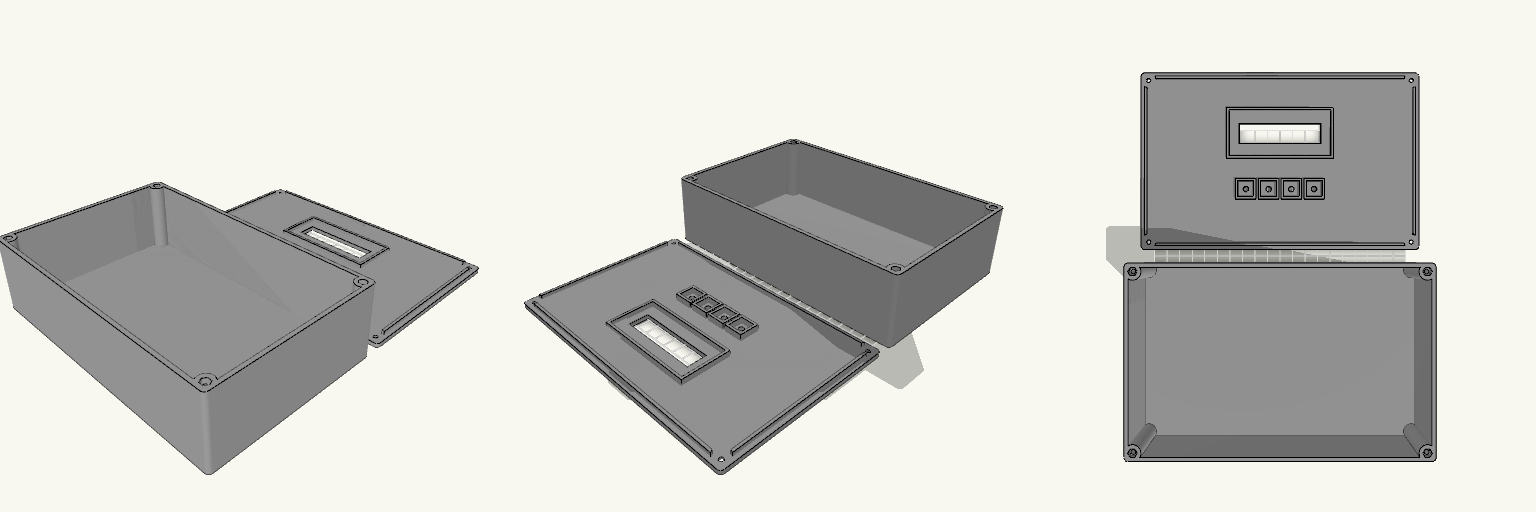
A horizontal electronic project enclosure designed for control panels and desktop instruments. The assembly features an internal mounting frame for a standard 1602 LCD module and four 12mm tactile push buttons. Components install from the underside of the top cover, ensuring that only the display area and button caps are visible from the exterior. The two-part construction secures together using four M3 screws with captured hex nuts embedded in the bottom housing. Overall dimensions: 220mm × 140mm × 60mm Hardware required: 4× M3 screws, 4× M3 hex nuts Component mounts: 1602 LCD PCB (80x36mm) and 4× 12mm tactile switches Print orientation: Both parts print flat on the build plate without supports
Arc Reactor Docking Console
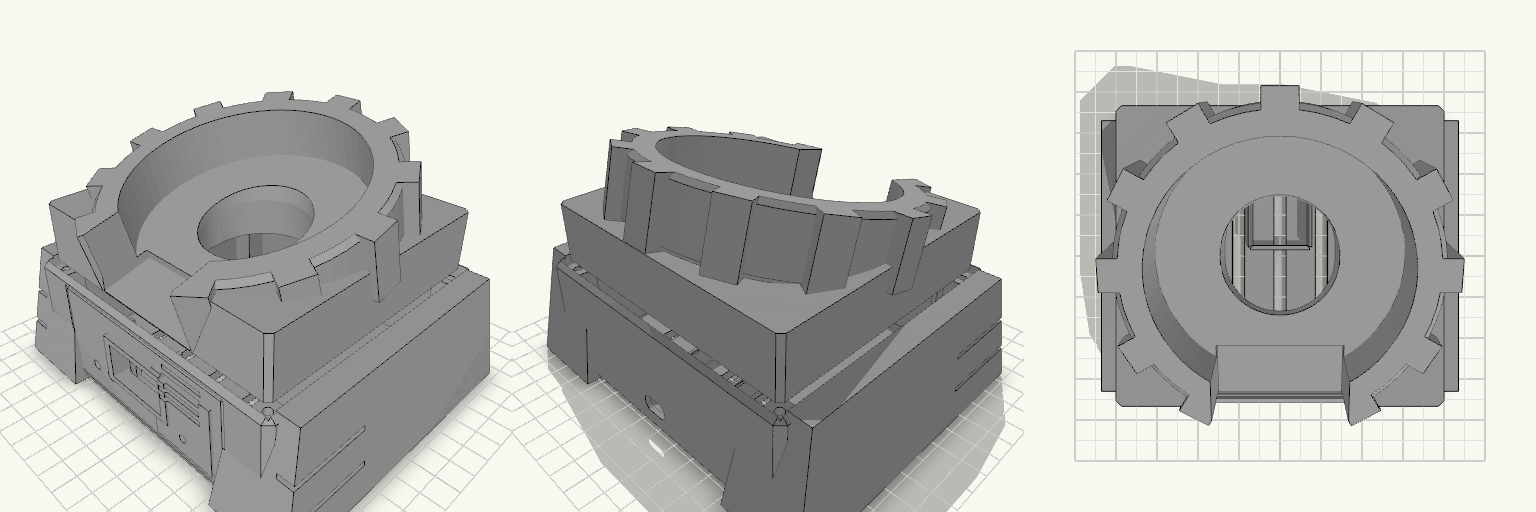
A modular desktop console base designed to securely dock and display a prop Arc Reactor. The underlying architecture prioritizes easy electronic integration without resorting to threaded inserts or messy glue. The chassis walls run at a lean 2 mm, shedding unnecessary material while preserving the rigid industrial aesthetic. Integration Points OLED Mount: A friction-fit slide track drops down directly behind the front JARVIS bezel, sized for a standard 0.96-inch (128x64) I2C OLED PCB (roughly 27.5 mm width). Control Board Cradle: The bottom service panel incorporates a built-in snap-fit cradle engineered for a standard ESP32 development board, positioned exactly in line with the rear USB-C access port. Reactor Mount: Features a 93 mm forward-pitched docking collar. Clearances: The top dock, bottom panel, and front bezel are modelled as separate bodies in the source for multi-part printing if needed, built with 0.4 mm clearances where they meet.