PEBA Tactile Membrane Dome
Created 1 months ago
Description
What it's for
A miniature tactile dome designed to act as a membrane keyboard switch. It provides linear travel that ends in a sudden, satisfying tactile snap when the angled wall buckles.
Dimensions
- Overall diameter: 6.0 mm
- Height: 2.9 mm
- Wall thickness: 0.40 mm (tuned for a single perimeter extrusion)
Print notes
Designed specifically for flexible filaments like PEBA or TPU. The 0.4mm wall ensures the slicer generates a single continuous perimeter for the buckling section, keeping the actuation force light and responsive. Ensure your slicer's line width is set to 0.4mm and cooling is optimized for flexible materials.
Photos
Technical views
More like this
Explore more in Desk & Tech →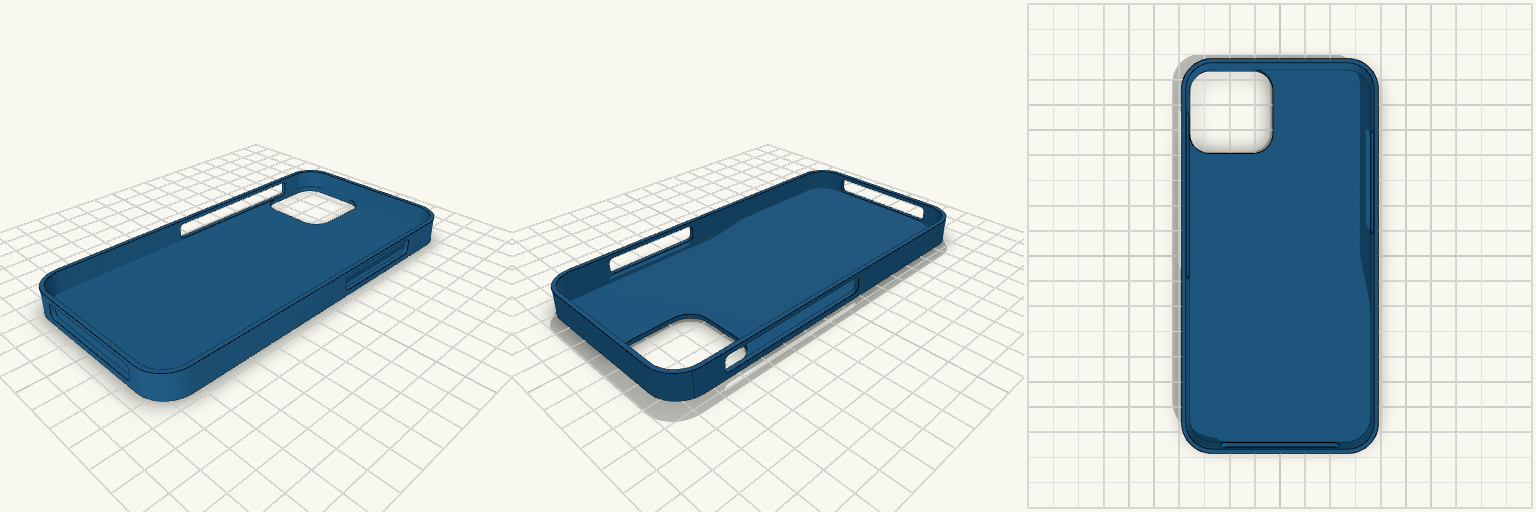
Aero — Windowed iPhone 13 Case
A custom-fit TPU or rigid shell for the iPhone 13. This model secures the device by preserving the upper retaining lip around the entire perimeter. The button zones have been converted from open edges into generous side windows—exposing the hardware for clean, tactile presses while maintaining the structural rigidity required for a snap-on fit. Features Retained Lip: The front edge wraps uninterrupted around the face of the phone to keep it locked in. Button Windows: Wide, centered side cutouts give your thumbs unobstructed access to the volume, mute, and power hardware. Camera & Port Clearance: Precise cutouts for the rear camera bump and the bottom lightning/speaker array. Print notes If printing in rigid filament (PLA/PETG), ensure your printer is well-calibrated; a slightly tighter tolerance may snap. TPU is recommended for the best balance of flex and grip.
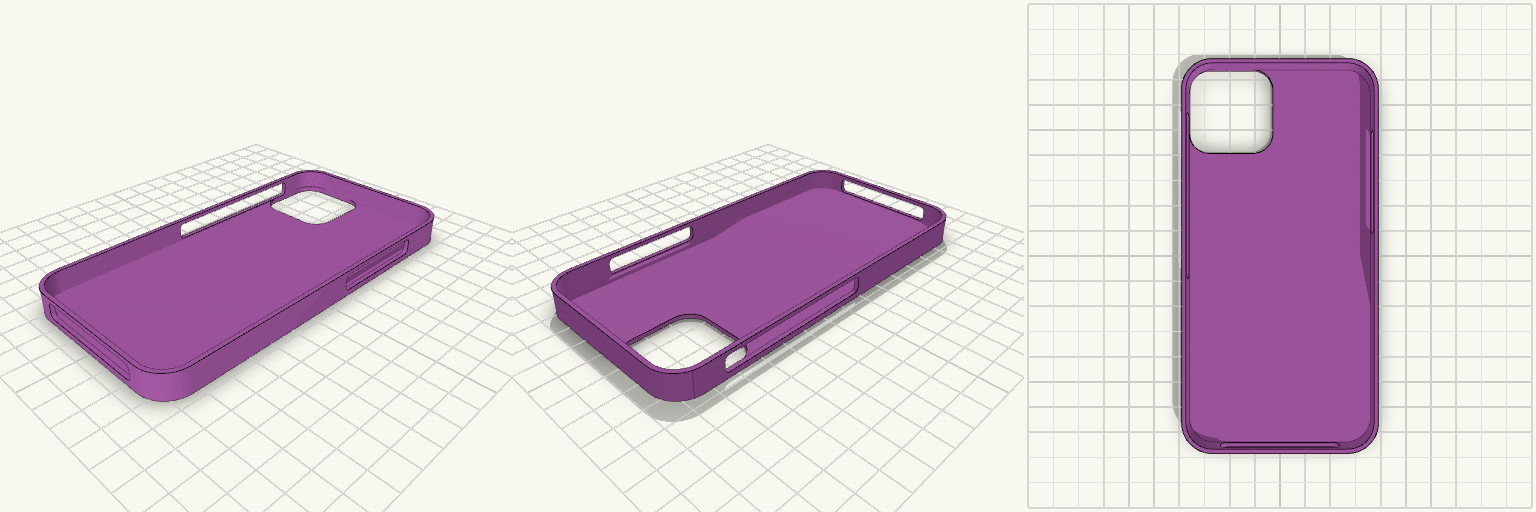
Solid Back iPhone 13 Case
A custom-fit TPU or rigid shell for the iPhone 13 that prevents the phone from slipping or taking raw impacts on the edges. The back is a solid panel for maximum protection. The button zones feature wide windows rather than thin button-covers, exposing the actual hardware so you get the real tactile click of the buttons without fighting the case material. Print Notes Fit Tolerance: Exact to the iPhone 13 body (71.5 mm x 146.7 mm). Material: TPU is highly recommended to let the lip flex over the screen edge. Rigid filaments like PETG will be a very tight snap-fit.
Pi 3 case
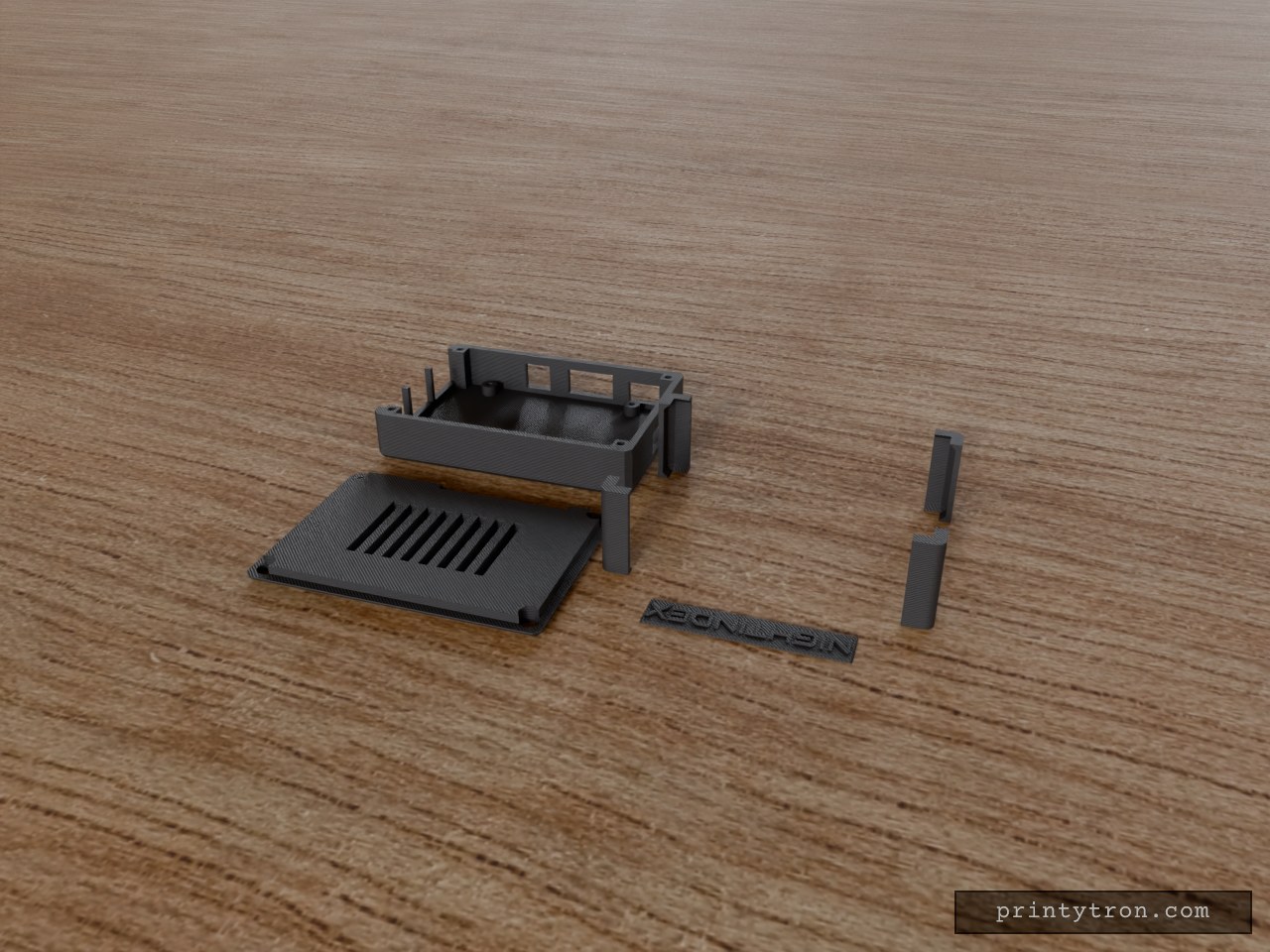
A bare Raspberry Pi 3 is so light that hooking up a standard HDMI cable instantly tips it off the desk. This case locks the board into a heavy enclosure and uses snap-on outer corner bumpers to give it some actual grip, so the board stays exactly where you put it. The port cutouts are oversized enough to accept real molded cables without them binding against the shell. Bed Fit: Everything is packed tightly to fit in a single run on a 180×180 mm print bed. Printing: All pieces sit flat on the plate. No supports required anywhere. Clearances: Built with a 0.4 mm gap around the board and lid joint so it slots together cleanly.
Assistive Smart Goggles Chassis
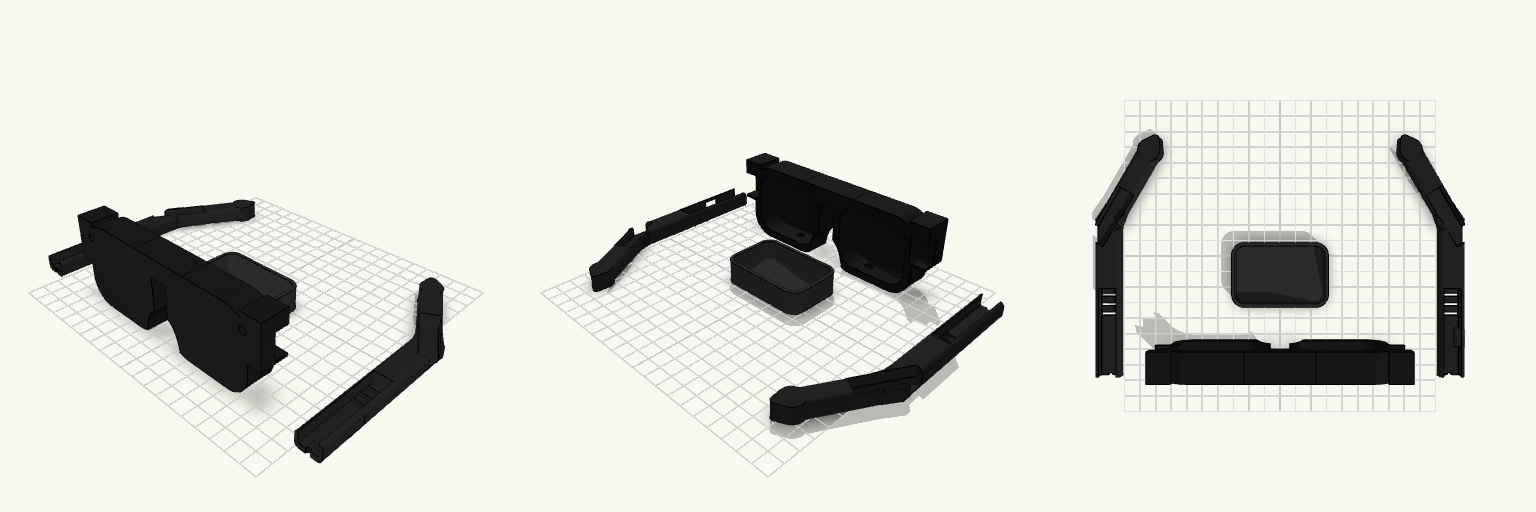
What it's for A wearable housing for smart glasses components, scaled to fit a human head. Features isolated electronic cavities, hollow arms for speakers and haptics, and integrated ports for front-facing cameras and downward sensors. Dimensions Overall Width: 150 mm Lens Housings: 52 mm tall, 18 mm deep Temple Arms: 11 mm wide, with a 30-degree drop behind the ear Assembly The frame and two arms print as separate flat-laid components without supports. Hinge tabs are modeled in — use short 3 mm pins or filament offcuts to join them.
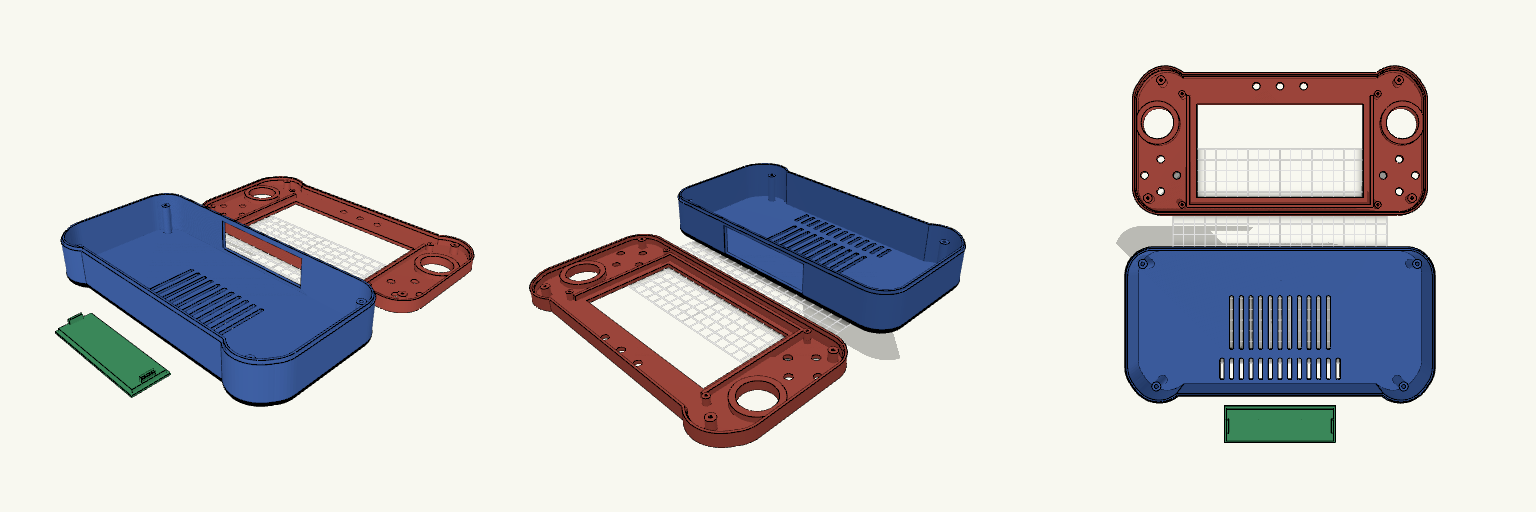
Handheld-Gehäuse mit herausnehmbarer Anschlussblende
Handheld-Gehäuse für eine selbstgebaute Konsole, bei dem die Kabel- und USB-Öffnung hinten nicht dauerhaft offen bleibt: Eine Klipp-Platte schließt sie und lässt sich bei Bedarf herausnehmen. Aussparung in der Rückwand: 100 × 30 mm, mittig Klipp-Platte: Außenrand 104 × 34 mm, Einsatz 99,6 × 29,6 mm, zwei Federarme mit Rastnasen, Fingermulde Innentiefe: 48 mm, Wandstärke 3 mm Display-Fenster 155 × 87 mm, Tastenlöcher 7,2 mm Druck: Schalen offen nach oben, Platte flach, ohne Stützen möglich
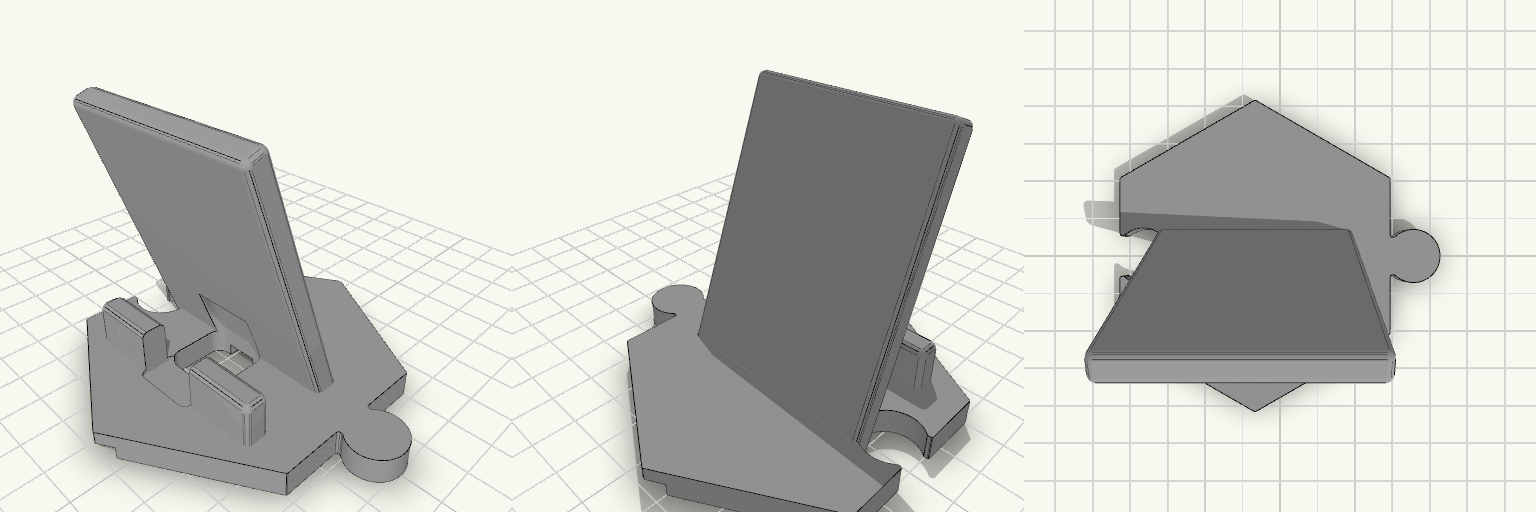
Modular Hexagon Phone Stand
A modern, modular phone stand built around a pure hexagonal base. The design allows multiple units to link together sideways via a built-in tab and slot system, perfect for keeping a row of devices organized on a desk or creating an expanding charging station. Design Highlights: 70-Degree Rest: The back support leans back comfortably for viewing notifications or media. Cable Management: A central pass-through routes your charging cable securely out the bottom via hidden channels. Print-in-Place Linkage: Built-in puzzle-piece connections require no extra hardware to link modules. Split Front Lip: Keeps the device firmly seated while leaving the center clear for downward cable runs.