Runner with larger studs and less protruding slope
Created 1 months ago
Description
A Lego-compatible replacement runner for a wagon door, redesigned for FDM printing. The geometry includes a solid sliding wedge and a 1x6 plate body.
Tuning for Fit
Printers often under-extrude small outer diameters and over-extrude inner channels. This remix tweaks the classic dimensions slightly to ensure good clutch power:
- Top studs: Bumped to 4.9mm.
- Bottom channel: Tightened to 4.8mm.
- Bottom pins: Increased to 3.2mm diameter to pinch the studs properly.
Adjust these values if your printer needs more clearance.
Images
More like this
Explore more in Automotive, RC & Hobby →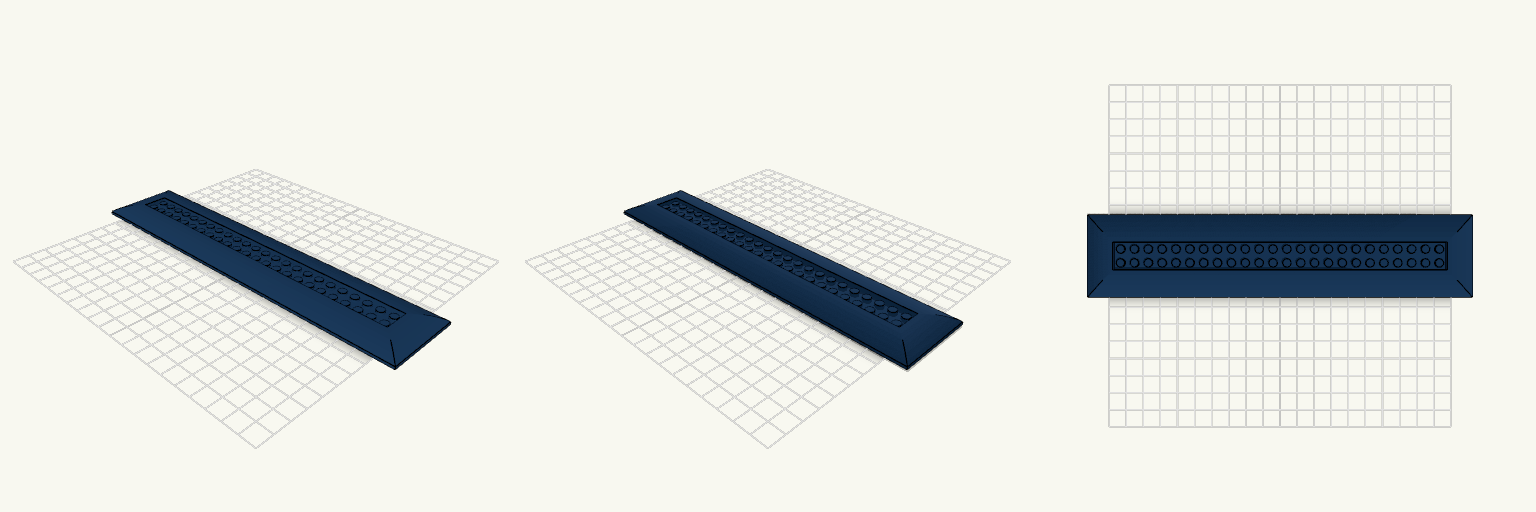
One piece Lego compatible fit roof for E44 style loco
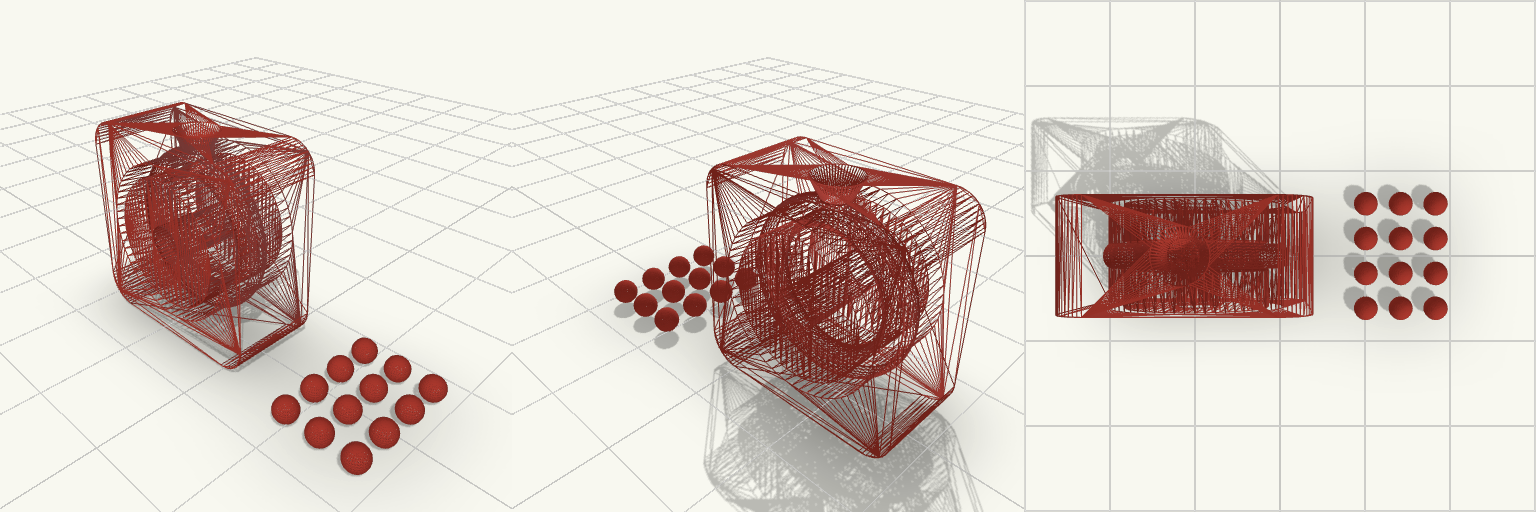
A custom monolithic spanning piece built for standard interconnecting block systems. It features two continuous 26-stud curved roof sections (matching a 15068 profile) separated by a sunken two-stud central channel. The central channel is dropped by one standard plate height (3.2 mm), allowing the next layer of parts to sit flush below the curve peaks. The underside features a full 6x26 cavity equipped with 125 interlocking tubes. Integrated structural cross-ribs connect the entire undercarriage, providing genuine rigidity and ensuring a tight clutch across a massive 208 mm span.
Bearings
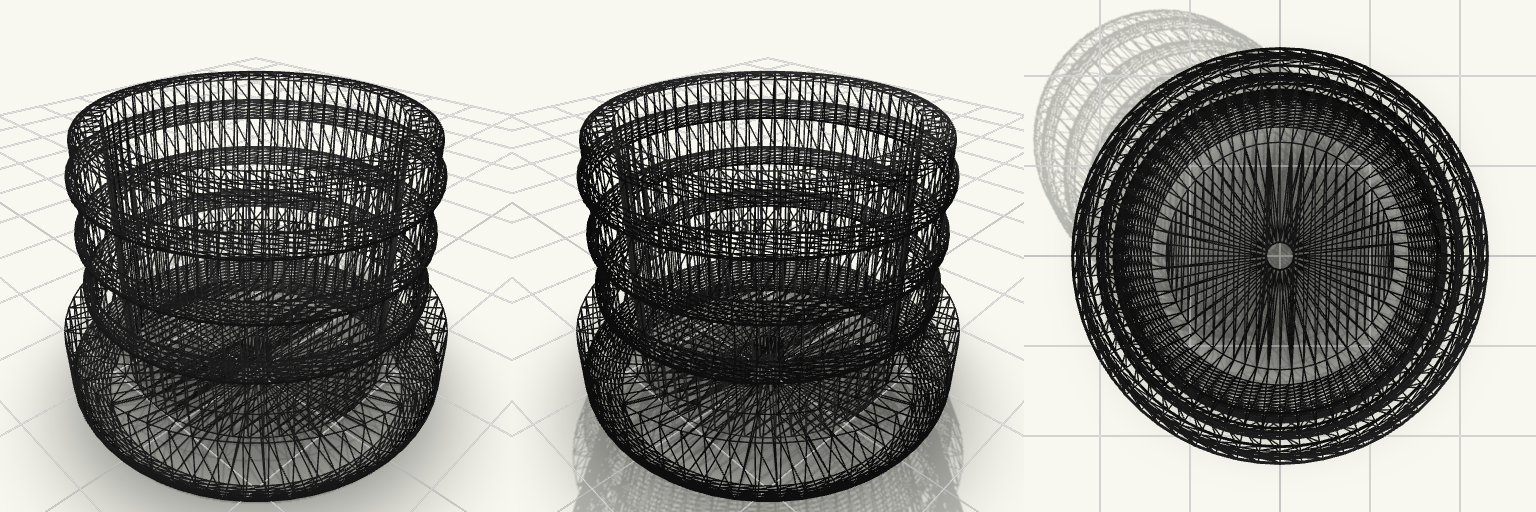
A standalone print-in-place ball bearing inside a 22x22mm square housing. Designed originally to mount axles on a scratch-built mousetrap car chassis, the housing is completely flat on the back so you can glue or strap it exactly where you need it. Inside, the inner ring rides on twelve captured micro-spheres, keeping friction low without requiring external hardware. Tuning hooks Clearances: The internal track has a 0.4mm clearance gap. If your printer fuses them, try dropping the flow rate slightly. Axle bore: The center hole is 4mm — size it up to fit standard 1/4" or 6mm dowels if you're building heavier. Mounting: The 22x22mm block has plenty of meat around the edges if you want to drill through for M3 bolts.
Brompton Seatpost Bumper Cap
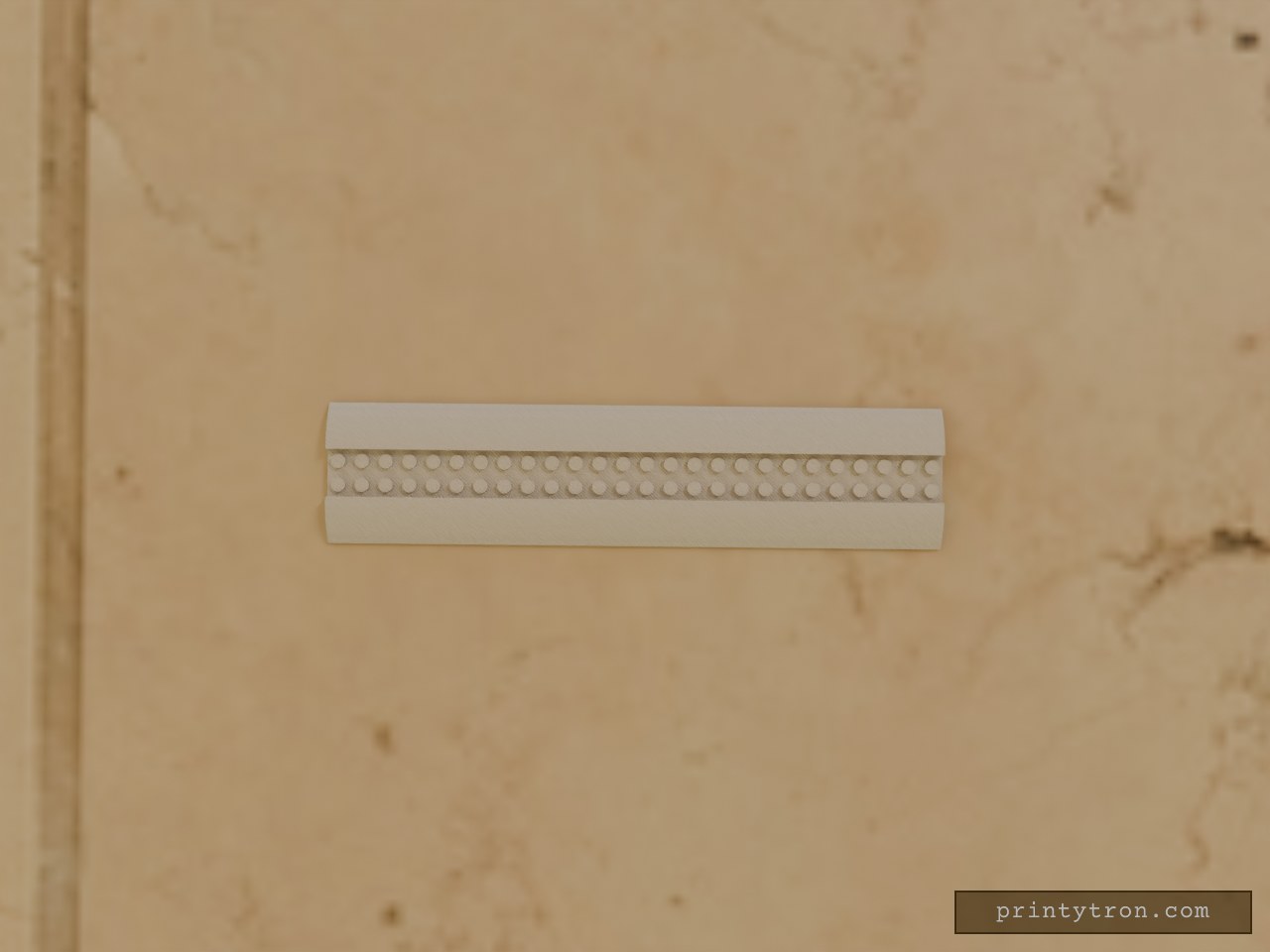
What it's for A custom TPU end cap for the seatpost of a Brompton folding bike. It acts as a resilient plug to prevent the folded bike from rolling, and pads the ground against scratches when the post is dropped. Dimensions Fitment: Engineered with 30.2 mm ribbed sections for a secure interference fit inside a 29.6 mm seat tube. Bumper Pad: 34.5 mm diameter to cleanly cover the 33 mm seatpost rim, featuring a 3 mm solid base section to take impact. Core: Deeply hollowed center for weight reduction and necessary wall flexibility, paired with a central pressure-relief hole to ensure clean seating without trapped air popping the plug loose. Print notes Intended for flexible materials like TPU. The thin-wall hollow structure allows the ribs to compress inwards on insertion, maintaining outward spring tension to hold the cap firmly in place.
Monolithic Mirrored Roof Bridge
A custom monolithic spanning piece built for standard interconnecting block systems. It features two continuous 26-stud curved roof sections (matching a 15068 profile) separated by a sunken two-stud central channel. The central channel is dropped by one standard plate height (3.2 mm), allowing the next layer of parts to sit flush below the curve peaks. The underside features a full 6x26 cavity equipped with 125 interlocking tubes. Integrated structural cross-ribs connect the entire undercarriage, providing genuine rigidity and ensuring a tight clutch across a massive 208 mm span.
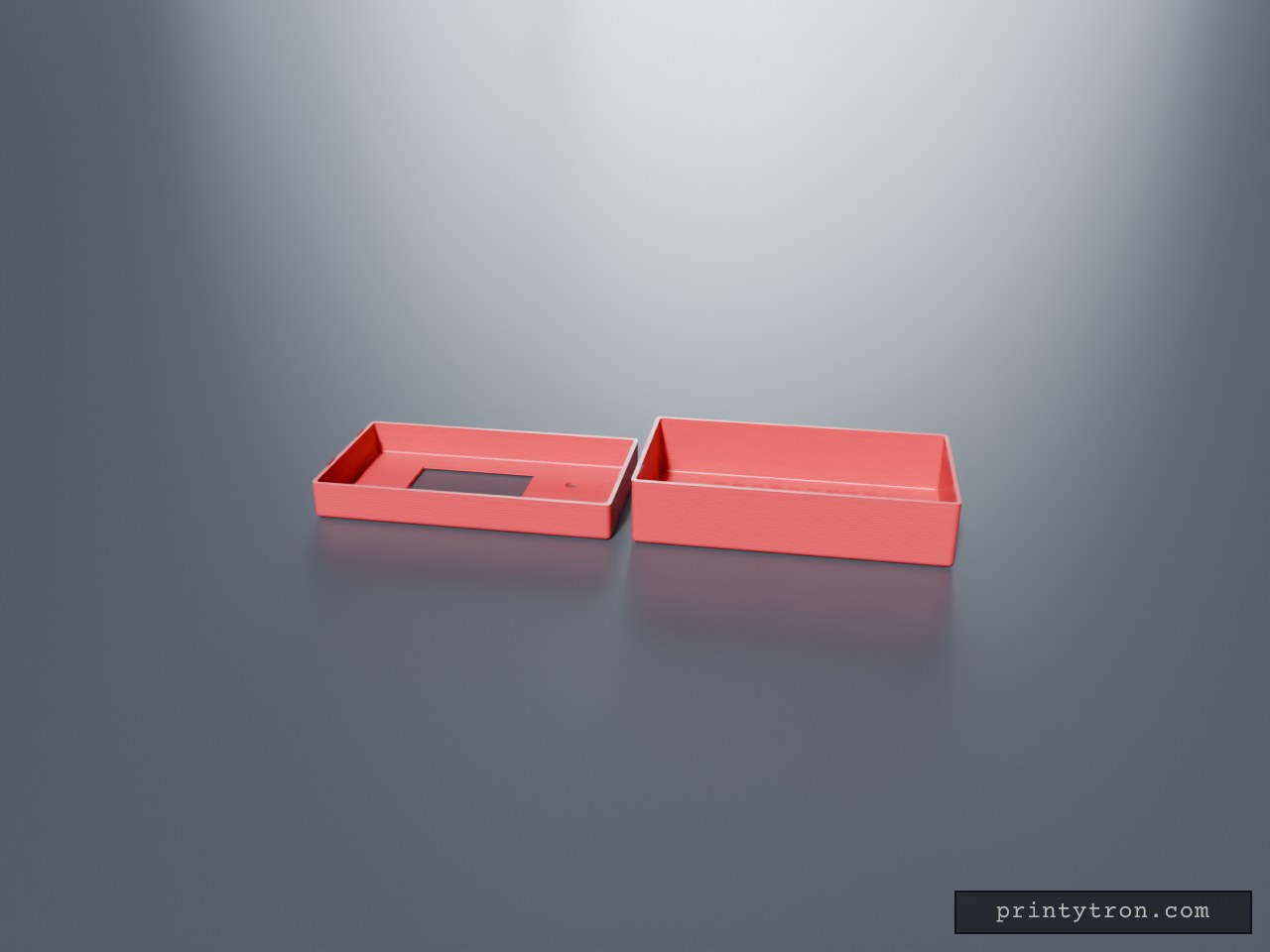
Retro TV Enclosure for No-Solder RP2040 Builds
A two-piece retro TV shell designed to house a no-solder RP2040 video player. The clamshell locks together with a built-in snap fit, offering exactly 150×80×50mm of internal space. Both halves print flat on the bed without supports. Front Bezel: Features a sloped CRT-style screen cutout with an internal ledge for a 2.8" display, twin 7mm dial holes, and integrated speaker vents. Back Shell: Includes a bottom-edge USB-C cutout and classic rear cooling vents. Snap Fit: A 4mm friction lip with interlocking bumps holds the enclosure securely together.
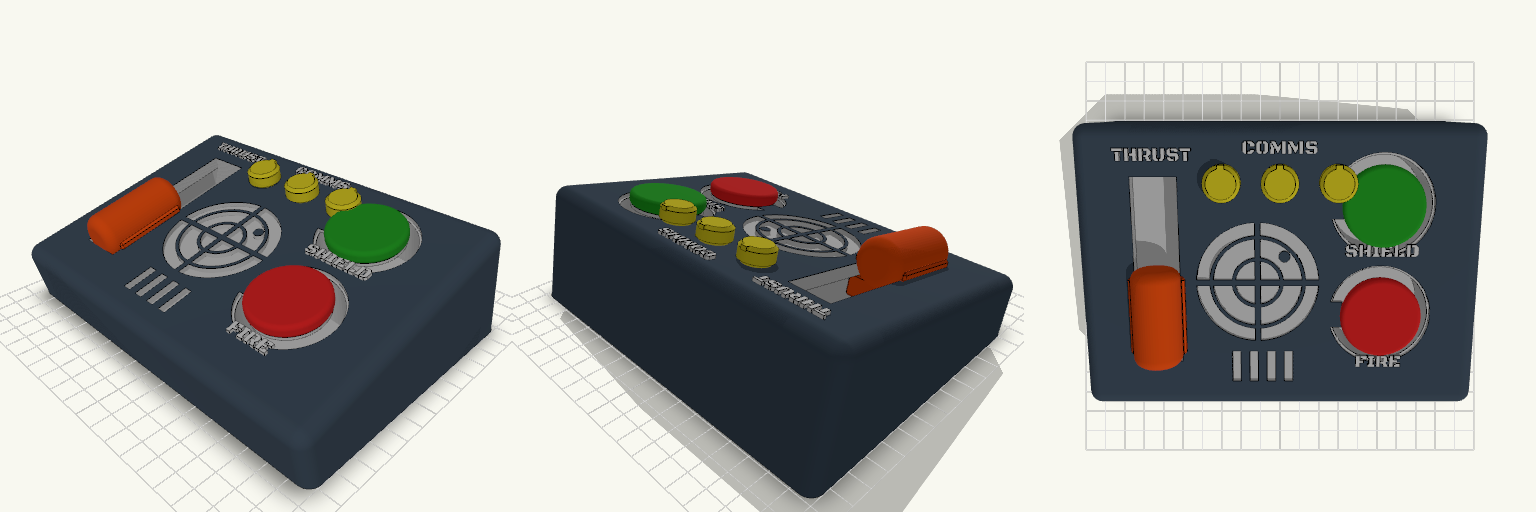
Space Command Console Toy
The keyboard belongs to you. The TV remote belongs to you. The oven dials are strictly off limits. But they still want to press buttons, and everything they reach for has a consequence. This console solves that. It’s a chunky, slanted control panel built to take a hammering. The throttle is a captive slider that prints fully in place—no assembly, just crack it loose and it glides. The giant red and green buttons sit on thin printed hinges, giving them enough flex to feel like a real press without needing actual springs or hardware. The dials and radar screen are solid topographic features that add tactile feedback without weak points. Printing Notes Dimensions: The base fits squarely on a 180x130mm footprint. Print-in-Place Clearance: The slider runs in an internal T-slot with a generous 0.5mm clearance on all sides, making it easy to free up on almost any FDM machine. Orientation: Designed to sit entirely flat on the build plate. The 13-degree slope of the panel is built into the geometry, so the internal bridges and tracks print parallel to the bed. Settings: Standard 0.2mm layer heights work beautifully. Three perimeters recommended to keep the compliant button hinges tough.