3D Model Gallery
Every one of these started as a sentence — real dimensions, real holes, print-ready STL. Remix any of them, or describe the part you need and Printy builds it. Start building →
Newest
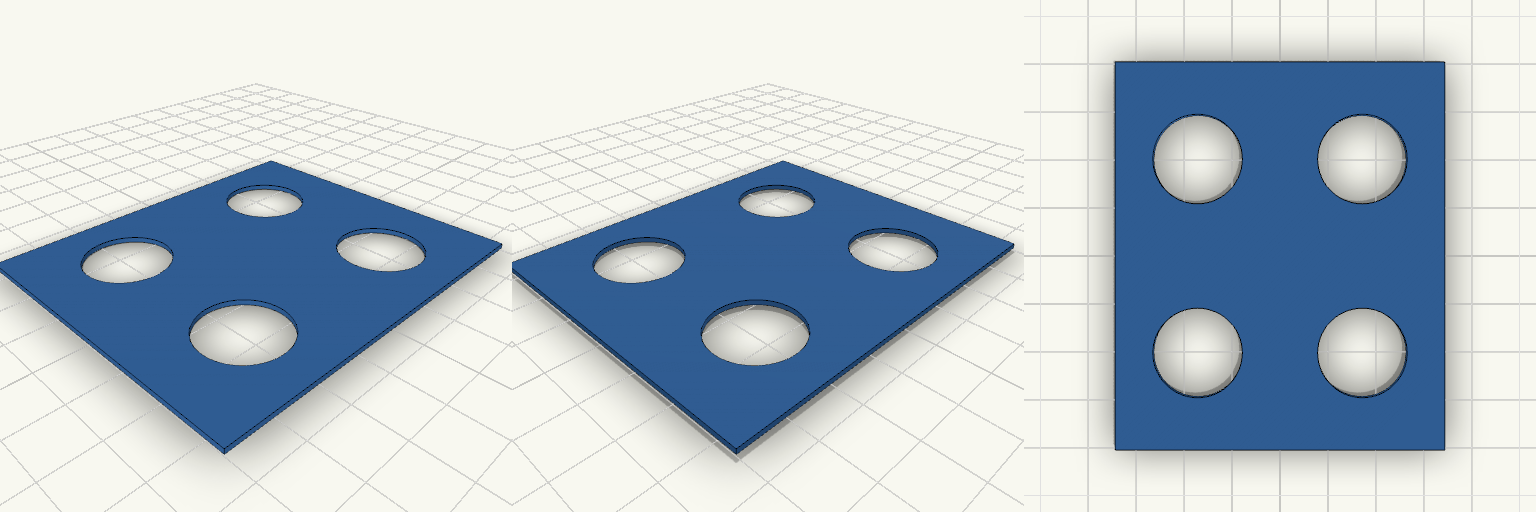
4 hål test prototyp
A simple 68x80mm rectangular mounting plate with a 1mm thickness, fitted with four 18.5mm through-holes. Remix and Adjust Plate Thickness: Currently at 1mm for a fast, flush fit. If you need it to bear weight, bump this up to 3mm or 5mm. Hole Clearance: The 18.5mm holes are sized to give half a millimeter of wiggle room on standard 18mm hardware. Hole Spacing: Spaced at 34mm across the short axis and 40mm along the long axis. Adjust those translate distances if your mounting hardware changes.
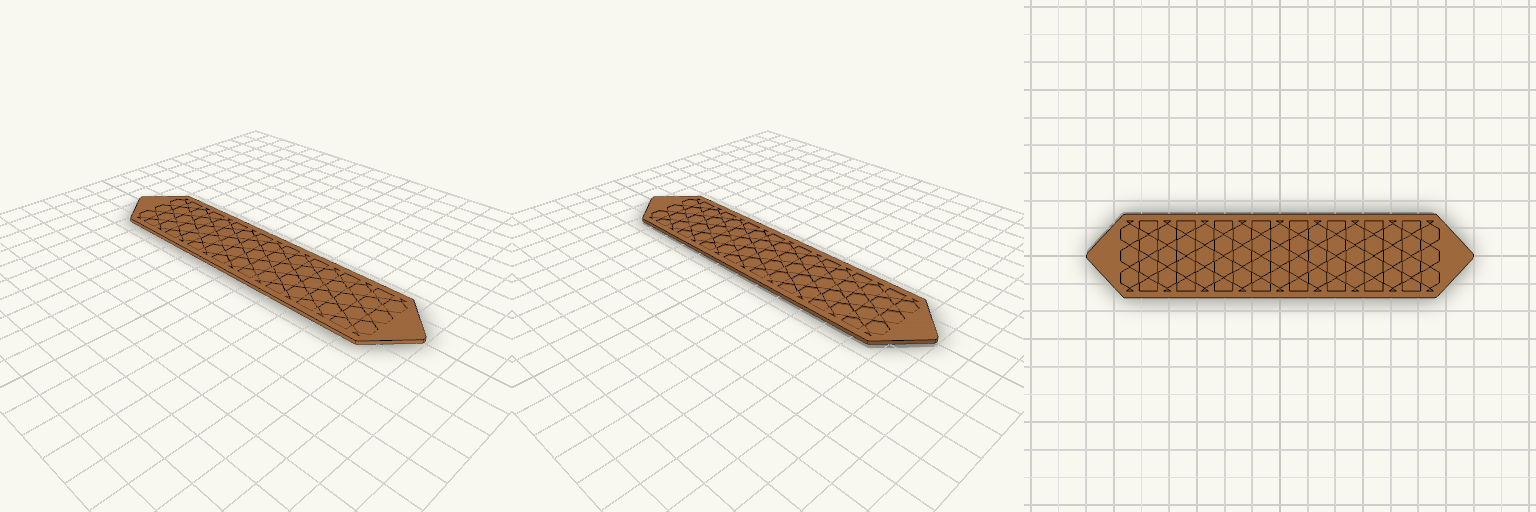
Trade Paperback Honeycomb Bookmark
Honeycomb relief bookmark. Fits standard hardcovers and trade paperbacks. At 1.2mm overall thickness, it sits flat between the pages without stressing standard textbook or hardcover bindings, but may cause spine stretch if left for extended periods in tightly bound mass-market paperbacks. Fitment Dimensions Overall length: 140mm Overall width: 30mm Maximum thickness: 1.2mm Relief depth: 0.4mm
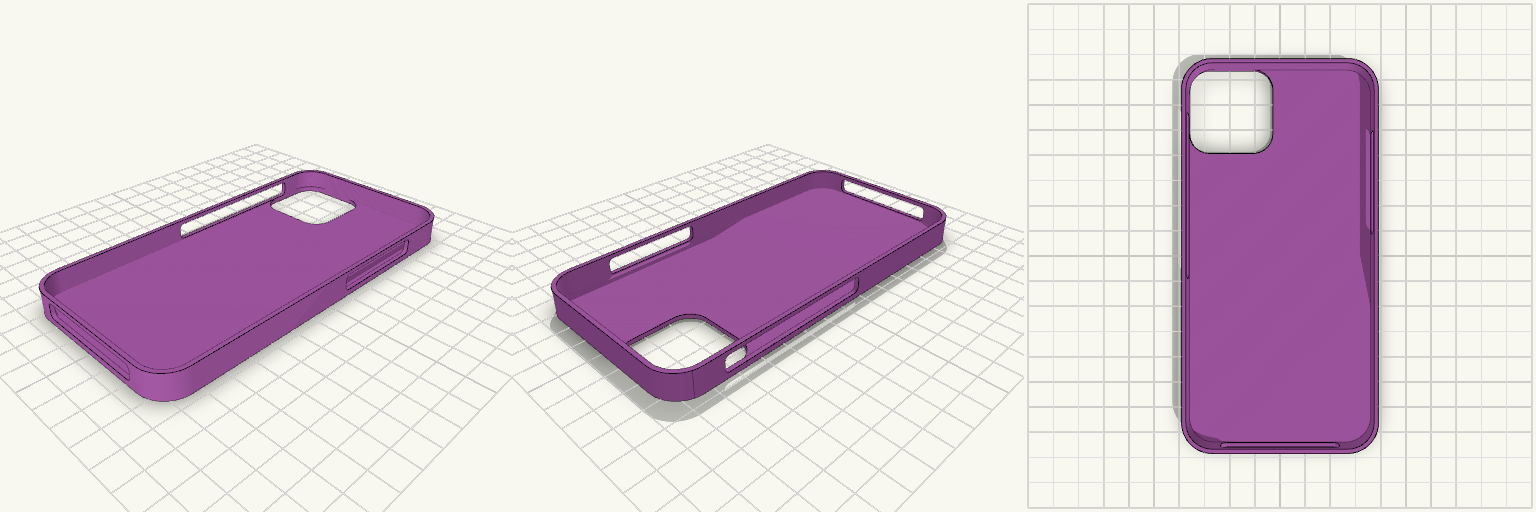
Solid Back iPhone 13 Case
A custom-fit TPU or rigid shell for the iPhone 13 that prevents the phone from slipping or taking raw impacts on the edges. The back is a solid panel for maximum protection. The button zones feature wide windows rather than thin button-covers, exposing the actual hardware so you get the real tactile click of the buttons without fighting the case material. Print Notes Fit Tolerance: Exact to the iPhone 13 body (71.5 mm x 146.7 mm). Material: TPU is highly recommended to let the lip flex over the screen edge. Rigid filaments like PETG will be a very tight snap-fit.
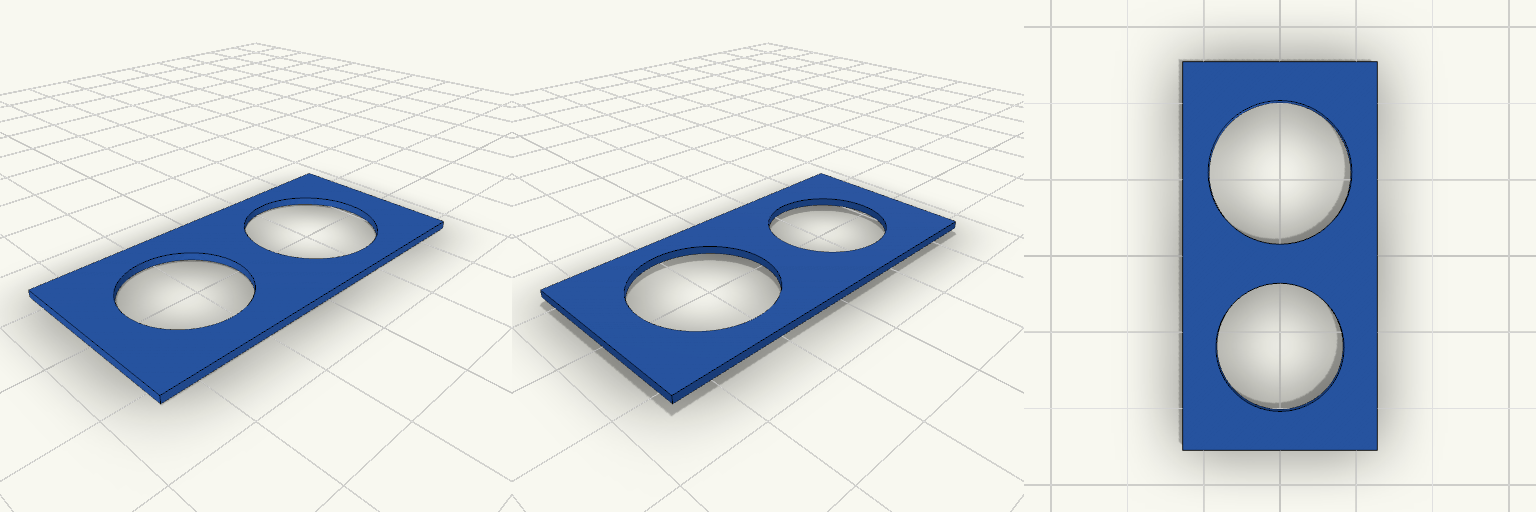
dimensions test plate
A specialized, low-profile custom plate designed to tight dimensional constraints. Measuring exactly 1mm thick, it provides a precise mounting or spacing surface with asymmetrical bore sizes. Specifications: Dimensions: 50mm length, 25mm width, 1mm thickness. Primary Bore: 18.5mm diameter. Secondary Bore: 16.5mm diameter. Clearances: Exactly 5mm of material left between the outer edges and the bores, as well as between the bores themselves.
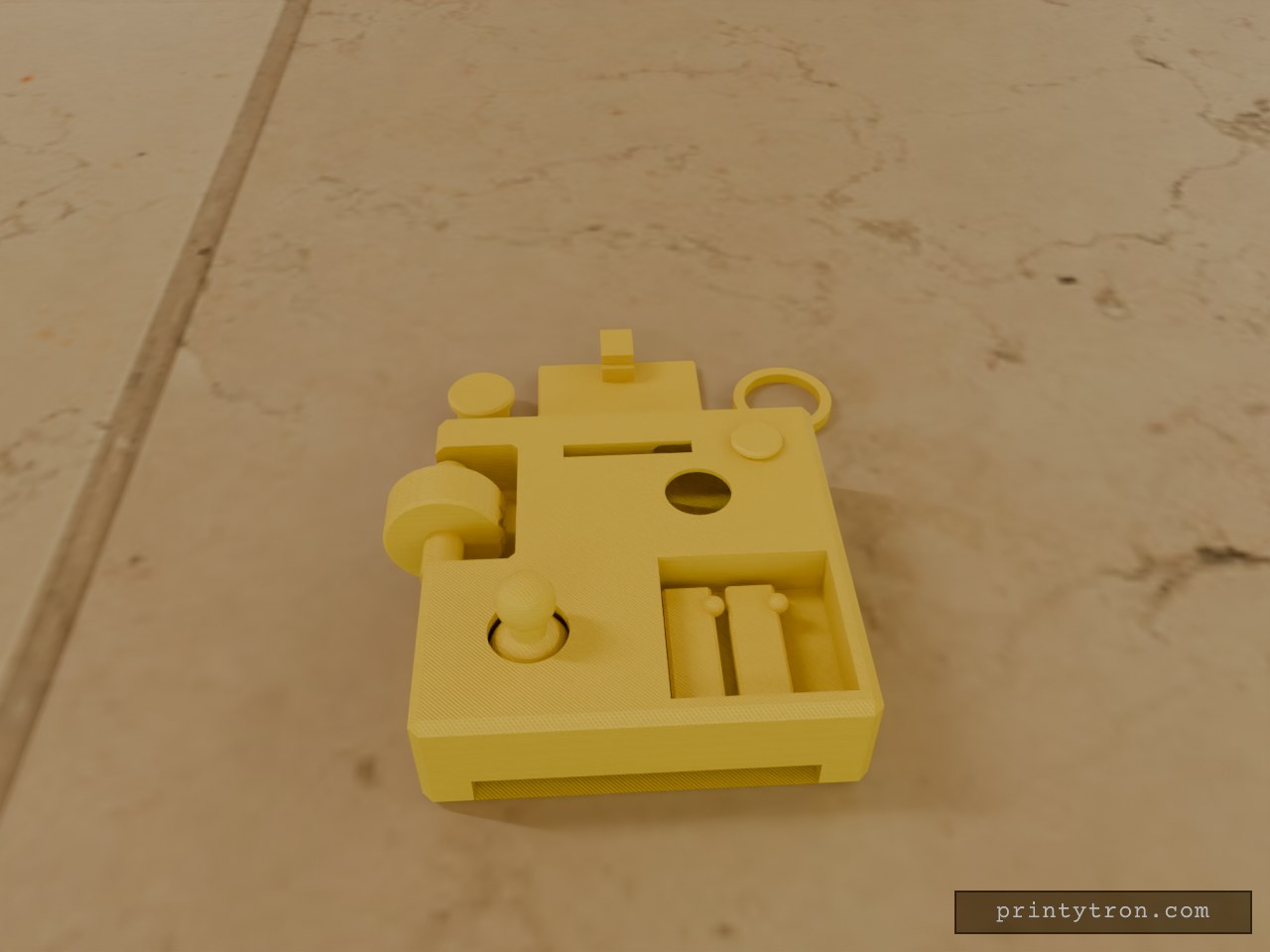
Pocket Multi-Fidget Block
What it's for A dense, multi-function pocket fidget block that packs six tactile mechanisms into a single footprint. Designed to be printed entirely flat without supports, it features a print-in-place captive joystick, a spinning side-wheel, and two cantilevered clicky buttons. The front edge houses a deep hidden storage slot containing a flat-packed basketball kit. The backboard (complete with a rubber band hook on the rear) slots into the top of the block, and the rim snaps firmly into the backboard. Finally, one quadrant contains an internal hollow tank cavity with a threaded fill plug and a side spout. The top wall of the tank is intentionally thin (0.8mm) with a tactile button pad—pressing it lightly flexes the roof, simulating a squirt-pump mechanism. (While functional in TPU, printing in PLA serves as a satisfying, slightly yielding fidget button). Dimensions Base Block: 60 × 60 × 18 mm. Storage Slot: 46 mm wide, 58 mm deep, 4.5 mm tall. Backboard: 30 × 25 mm (excluding base peg). Rim: 18 mm outer diameter. Assembly Print Settings: No supports required. Ensure your printer is dialed in for 0.4mm print-in-place tolerances so the joystick and spinner break free smoothly. Hoop: Slide the backboard out of the front slot, insert the peg into the slot on the top deck, and press the rim peg into the backboard hole. Tank: The included friction plug seals the top fill hole.
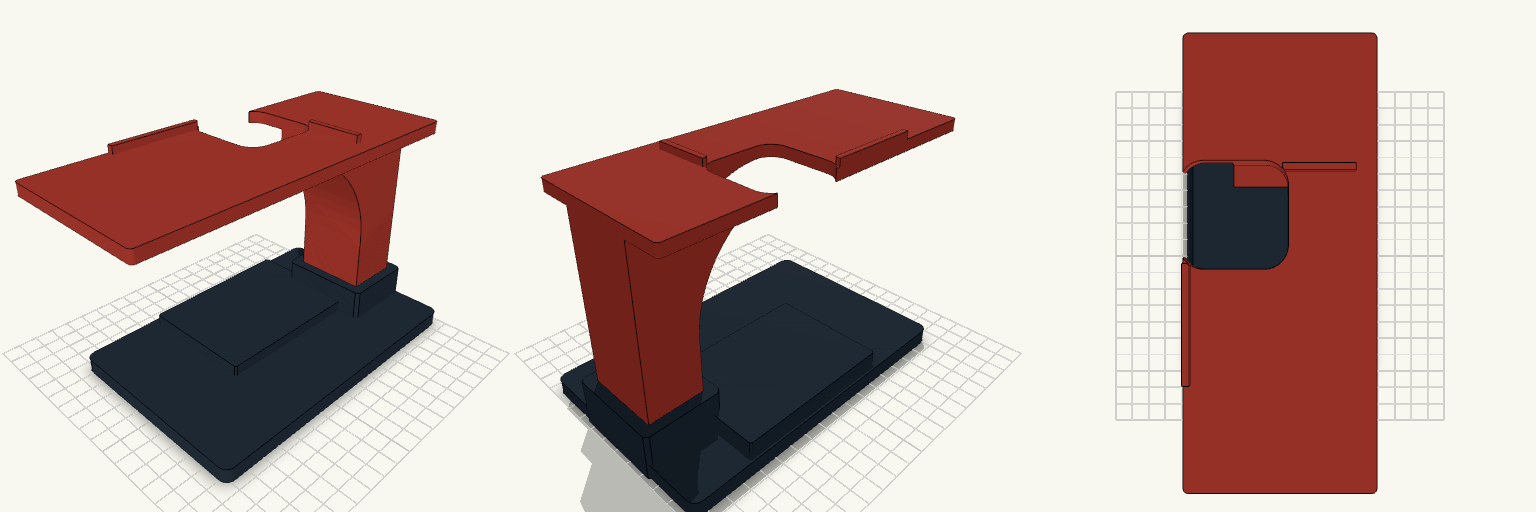
TCG Pre-Grading Imaging Stand
A two-piece cantilever imaging stand engineered specifically for trading card pre-grading and the iPhone 16 Pro. The design strips away light-blocking walls in favour of an open C-arm structure, allowing desk lamps to rake across the card from three sides without casting harsh structural shadows. The stand breaks down into two separate pieces for flat printing without supports. Raised Pedestal: Sized at 64x89mm to fit standard raw or penny-sleeved cards (like Pokémon or MTG). The raised platform prevents edge-shadows that occur when cards lie flat on a desk. Tactile Phone Rails: Raised outer guides sit flush with the iPhone 16 Pro's straight edges, bypassing the camera bump. Push the phone flush into the top-left corner rails to perfectly centre the lenses over the card. Focal Clearance: Suspends the phone 160mm above the card, providing the ideal distance for macro focus while keeping the entire card squarely in the frame.
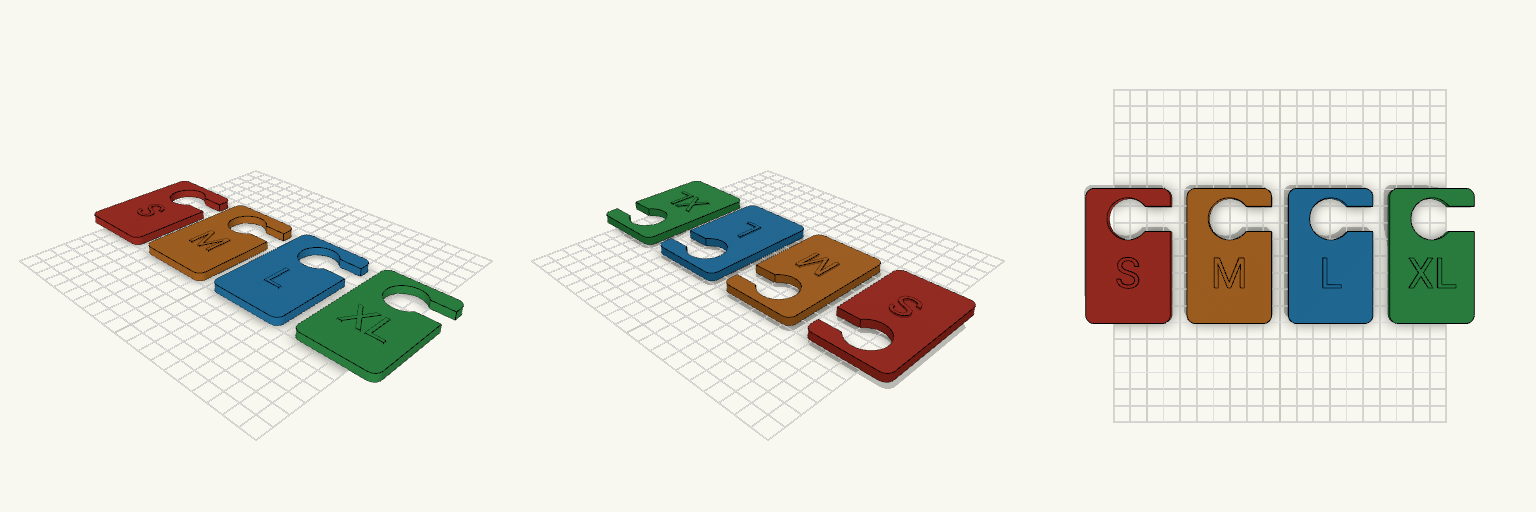
Barra 25mm Separador Tallas
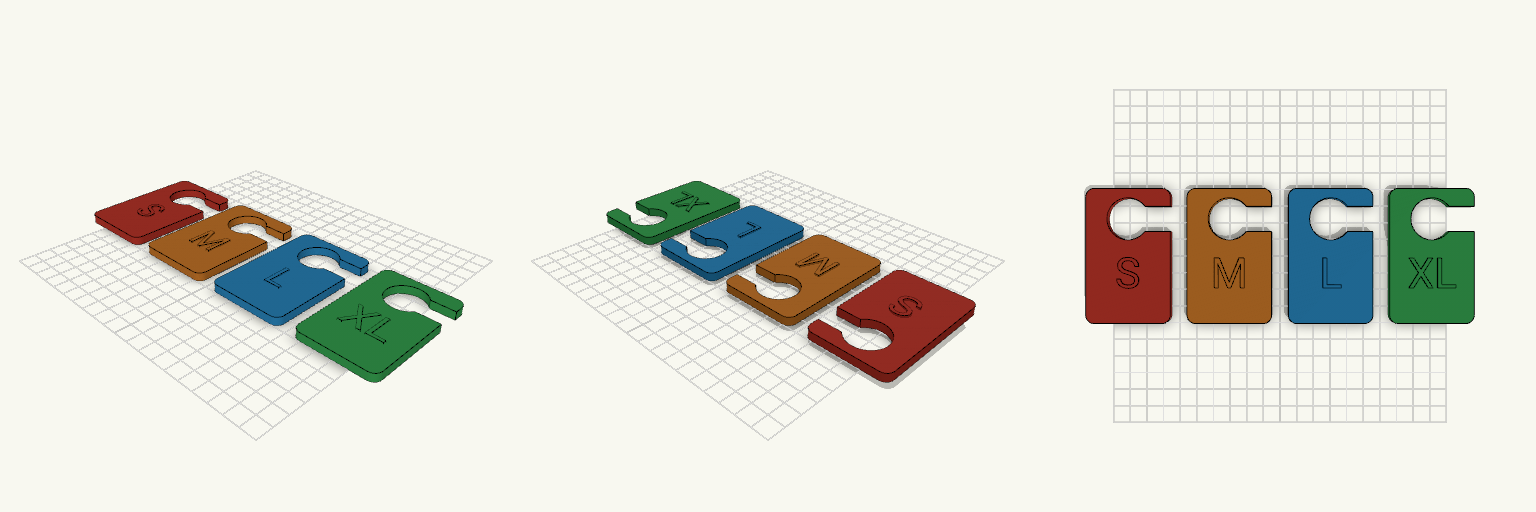
Separadores de tallas diseñados para barras de ropa. Cuentan con un orificio de 25 mm exactos y una abertura lateral de 15 mm que permite introducirlos a presión sin tener que desmontar la barra ni retirar las perchas. Punto de anclaje: Barra de 25 mm de diámetro. Abertura: 15 mm (requiere ligera flexión al colocar si el material es muy rígido). Grosor: 5 mm. Comprueba el diámetro exacto de la barra del perchero antes de imprimir; las barras comerciales pueden variar entre 22 mm y 28 mm.
Barra 25mm Separador Tallas
Separadores de tallas diseñados para barras de ropa. Cuentan con un orificio de 25 mm exactos y una abertura lateral de 15 mm que permite introducirlos a presión sin tener que desmontar la barra ni retirar las perchas. Punto de anclaje: Barra de 25 mm de diámetro. Abertura: 15 mm (requiere ligera flexión al colocar si el material es muy rígido). Grosor: 5 mm. Comprueba el diámetro exacto de la barra del perchero antes de imprimir; las barras comerciales pueden variar entre 22 mm y 28 mm.
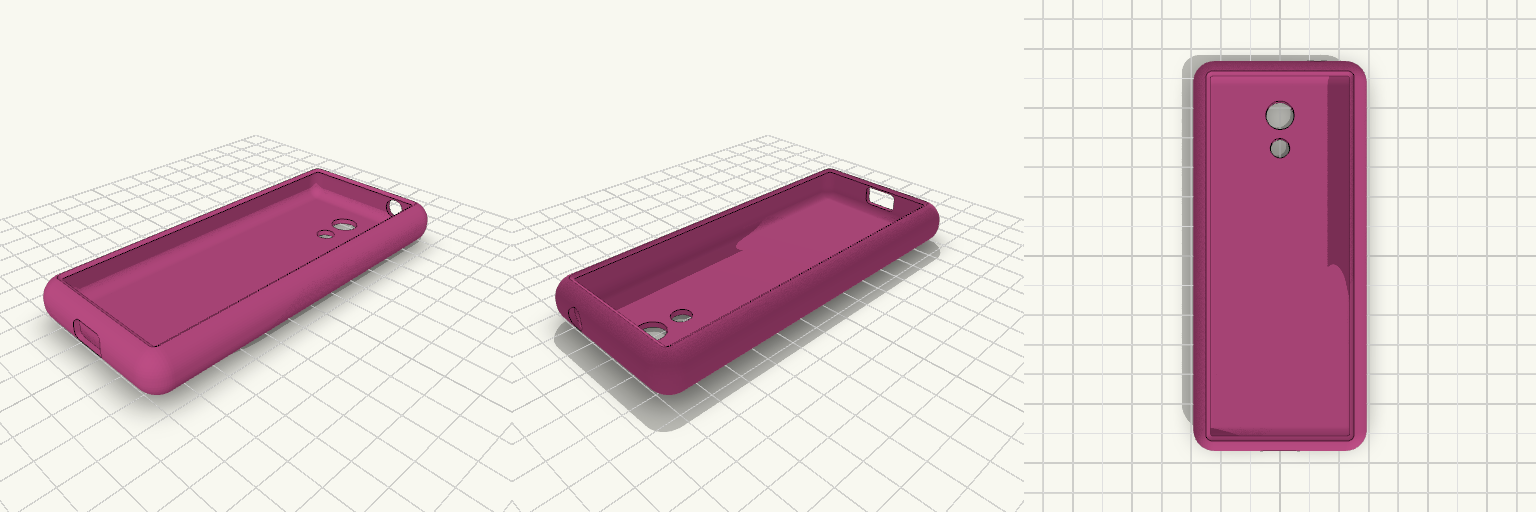
Nokia 225 4G Minimal Case
A streamlined, form-fitting protective case for the Nokia 225 4G (2024). Built to exact dimensions for a secure snap-fit that leaves the device accessible but well-protected. Clearances: 0.5 mm inner tolerance for a snug fit. Ports: Dedicated circular cutouts for camera and flash; accessible USB-C and 3.5 mm jack. Profile: Minimalist solid back plate with a heavily rounded outer shell.
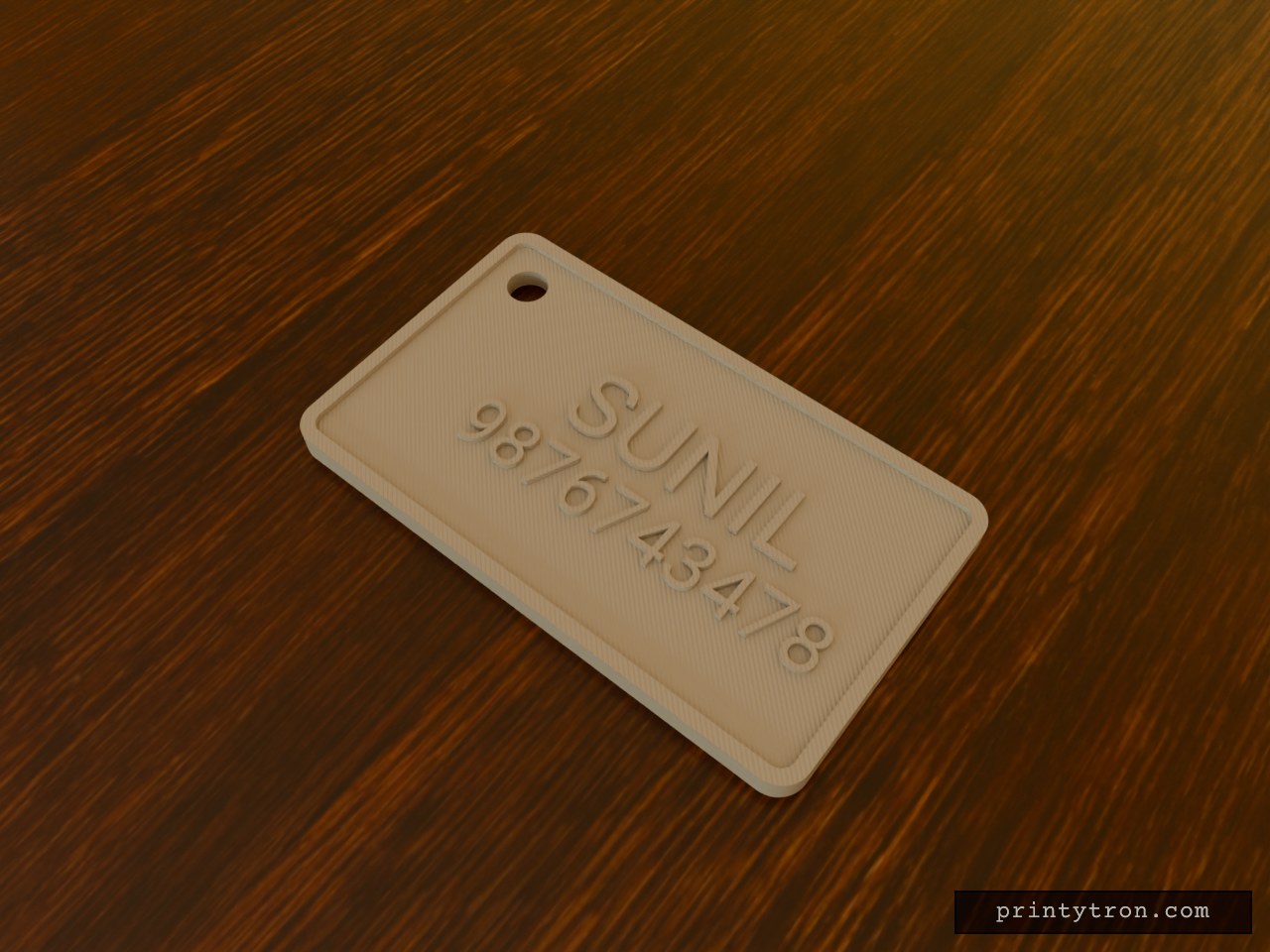
25mm Split Ring Registration Plate
Solid registration plate built to clear standard 25mm split rings. The 4.5mm bore is strictly for split rings or small carabiners; it will not accept wide webbing or thick lanyards. Print Specs Footprint: 80mm x 20mm Base Plate: 2.4mm thick. Embossed Details: Text and border sit 0.8mm above the face. Stop the print at 2.4mm Z-height to swap colors.
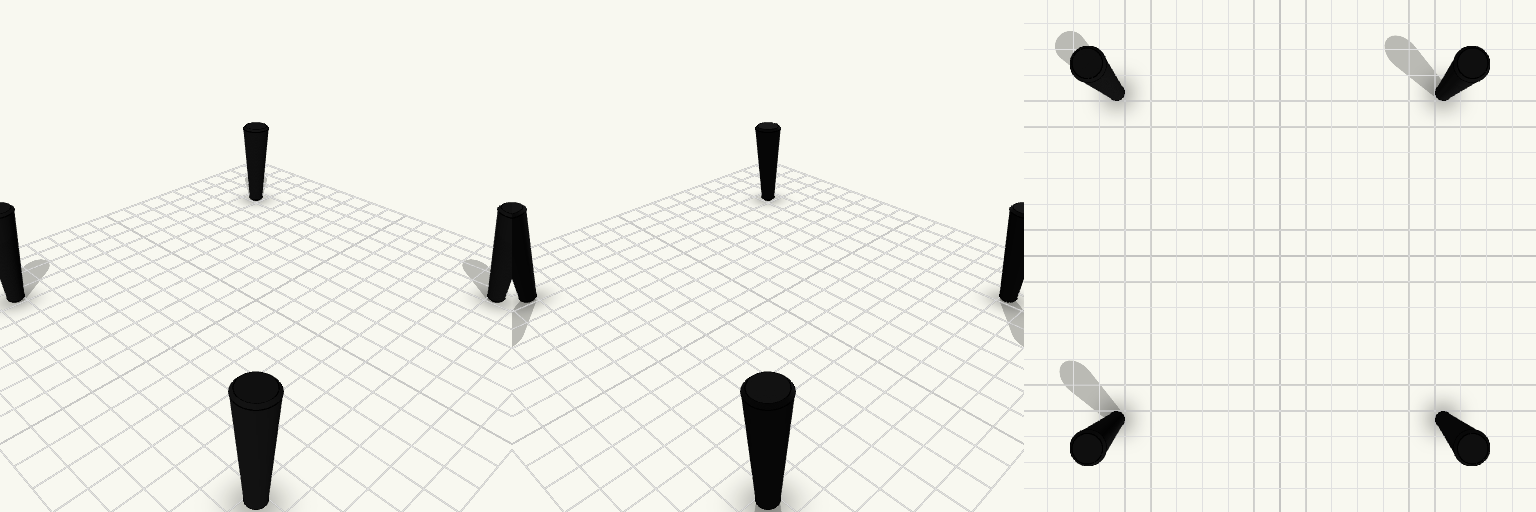
Drone Landing Legs
What it's for A set of standalone tapered landing legs for a custom quadcopter or drone project, giving clearance for an under-slung battery or payload. Dimensions Height: 37 mm total ground clearance. Base Diameter: 12 mm resting footprint. Top Diameter: 6 mm where they meet the frame. Print notes Print flat on the build plate. No supports are needed for the tapered cylinders.
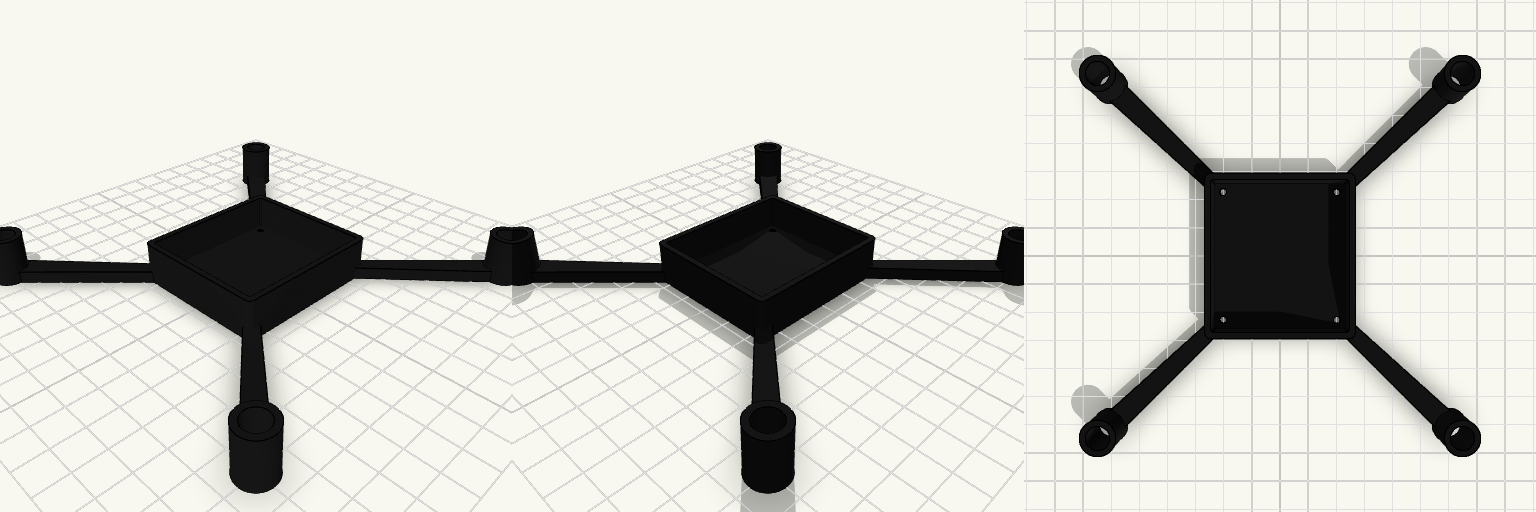
Micro Quadcopter Frame with Skids
A lightweight unibody quadcopter frame designed for micro builds. Central Chassis: Hollowed core with standard mounting clearances for electronics. Motor Mounts: Integrated cups sized for 7x16mm coreless motors. Landing Gear: Separate skid-style legs printed alongside the main frame. The frame sits flat on the plate for an easy print without supports.
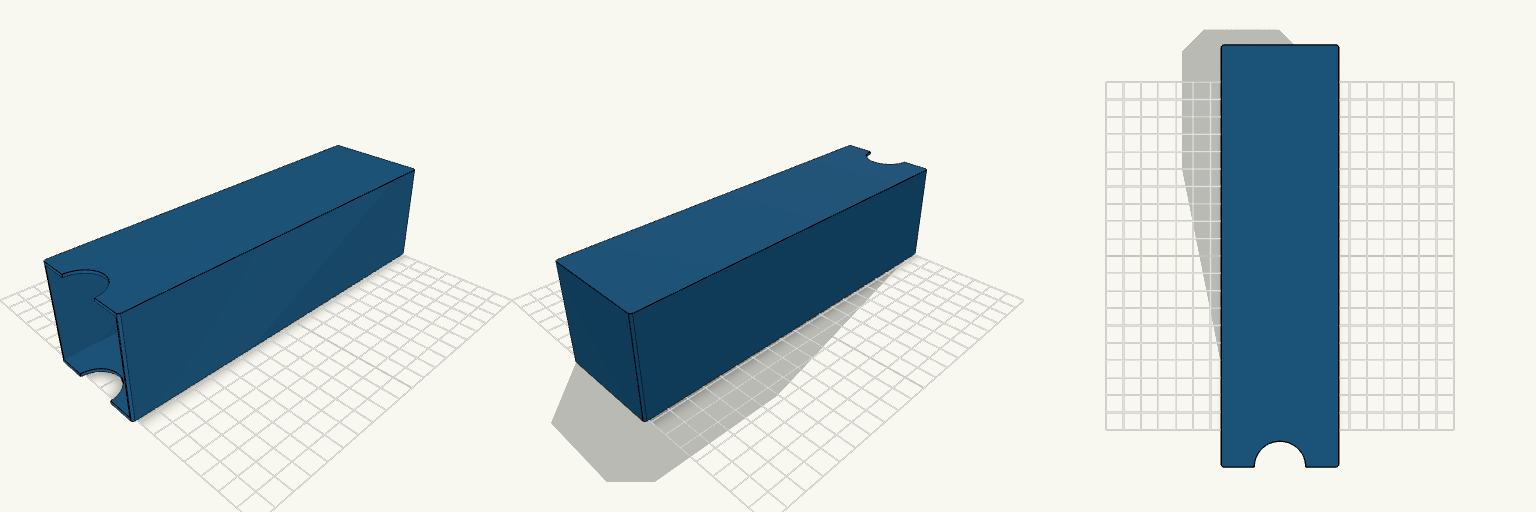
Ühe Otsaga Suletud Sahtlikarp
Sahtel kiilub kinni, sest pole kuskilt korralikult kinni võtta. See on suletud tagaseinaga lihtne kest, millel on nüüd sahtli ees korralik väike näpu-kõrgendus, et seda saaks mugavalt ja ilma küüsi murdmata välja tõmmata. Mahutavus: Täpselt 200 × 50 × 50 mm kasulikku ruumi. Seinad: 1.5 mm, prinditav ilma tugedeta. Liikumisruum: 0.5 mm lõtk külgedel tagab sujuva liugumise.
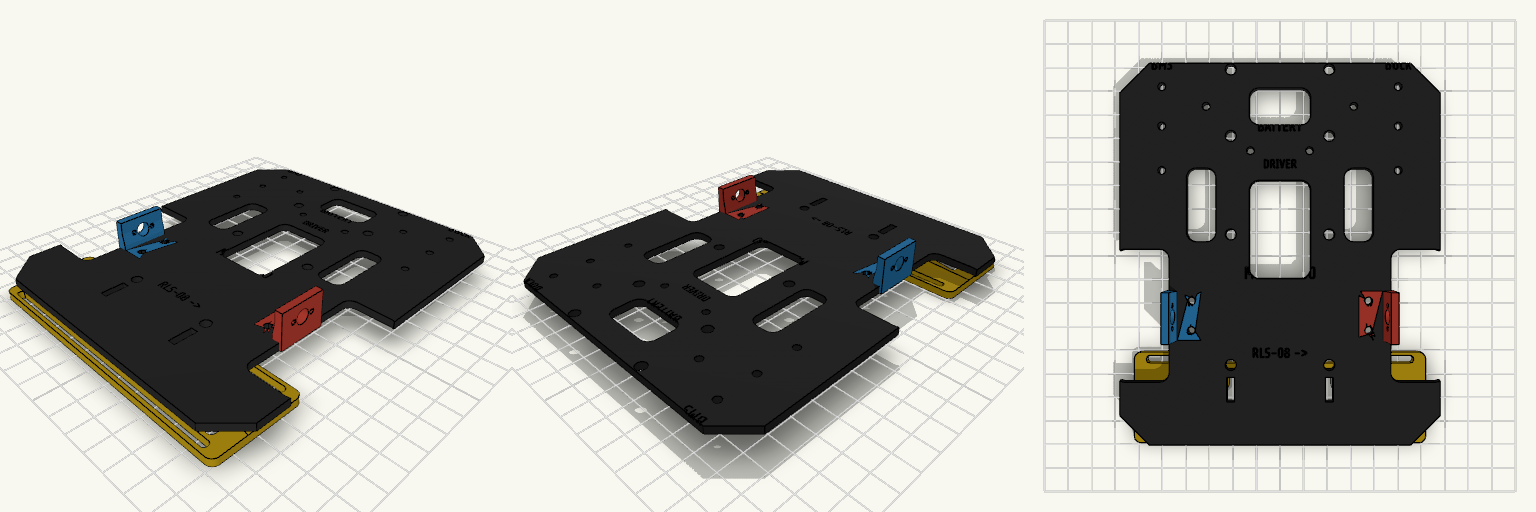
Veloce — Differential Line Follower Chassis
Veloce is a purpose-built 3D-printable platform engineered for high-speed differential line following. To hit the aggressive 160×130mm envelope without compromising on handling, the architecture mounts the Arduino Mega and battery in a transverse layout right over the drive axle. This keeps rotational inertia extremely low, allowing the twin N20 gearmotors to snap the chassis through sharp 90-degree turns without oscillating. The front features a modular, underslung sensor bracket that drops the PCB down to track level while heavily protecting the leading edge. Wide slots allow you to mechanically dial in the RLS-08's asymmetry so the IR array sits dead-center on the robot's axis. Features Transverse Core: Mounts the Mega 2560 and 2S battery pack sideways to pull the mass closer to the axle. Modular Drive Mounts: Mirrored left/right N20 brackets hold the gearboxes rigidly by the faceplate, completely decoupling chassis stress from the motor bodies. Underslung Sensor Tray: Drops the RLS-08 directly into the 3mm sensing zone without exposing the PCB to front-impact damage. Wire Routing: Integrated zip-tie holes and defined component zones (BMS, Buck, Driver) keep high-current lines separated from signal paths. Compatibility The hole pattern and cutouts are specifically tailored for: Arduino Mega 2560 (Transverse) 2× N20 Geared DC Motors & 42mm Drive Wheels SmartElex RLS-08 Line Sensor 2S 18650 Battery Holder, 2S BMS, LM2596 Buck Converter, and TB6612FNG Driver 35mm Flanged Ball Caster
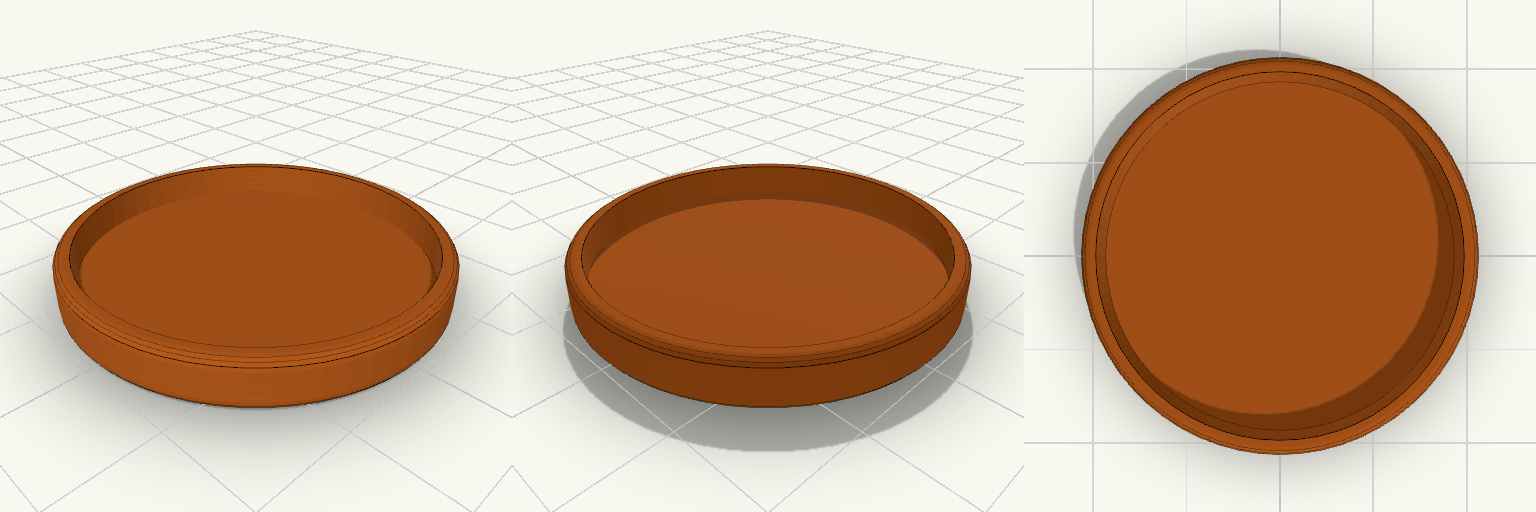
Filmdosen-Schuh 36mm
Ein flacher, passgenauer TPU-Untersetzer (Schuh), der das Wackeln einer hohen 36-mm-Filmdose verhindert. Innendurchmesser: 36,2 mm (für strammen Sitz in flexiblem Material) Gesamthöhe: 5,0 mm Bodenstärke: 1,6 mm Wandstärke: 1,65 mm Besonderheiten: Leicht abgerundete Außenkanten und eine 0,5 mm Fase an der Innenkante zum leichteren Einsetzen der Dose.
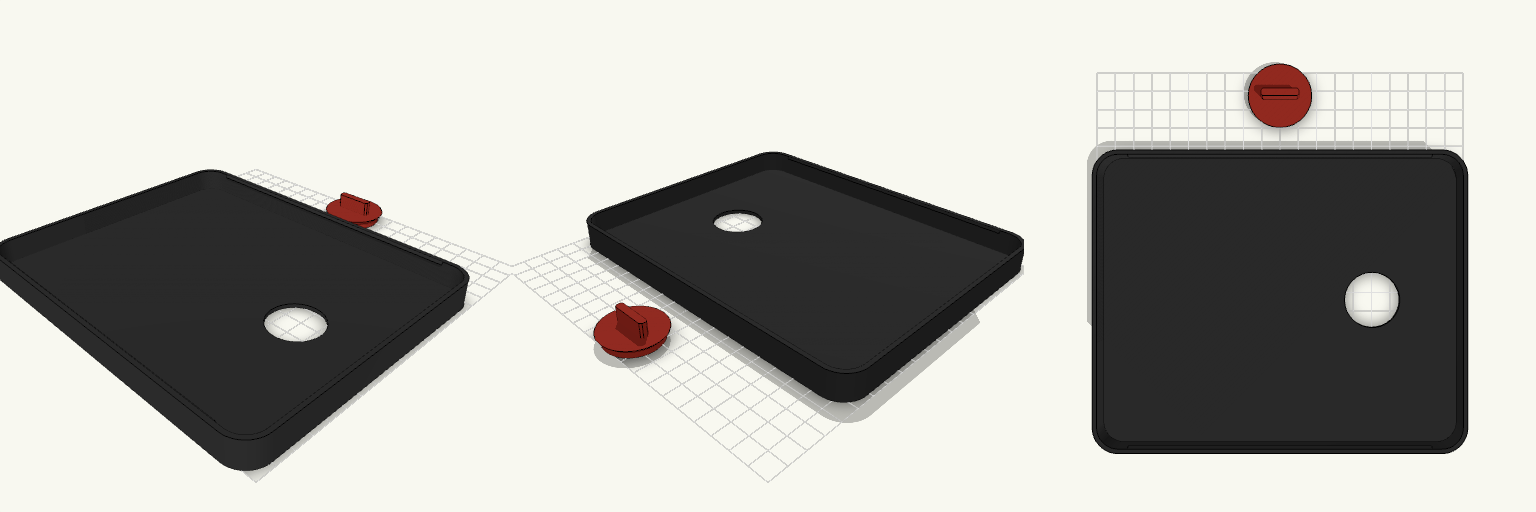
Terrarium-Deckel mit Futterluke
Vogelspinnen brauchen frische Luft, aber der Ausbruch beim Füttern muss verhindert werden. Normale Plastikboxen taugen dafür ab Werk wenig. Dieser Ersatzdeckel löst beide Probleme: Er bringt ein flächendeckendes Raster für maximale Belüftung mit und hat eine separate Futterluke, die per Pin sicher verschlossen wird. Die Klemmlippe an den Innenseiten sorgt dafür, dass der Deckel sauber in der Box einrastet. Außenmaß: 196 × 158,5 mm Wandstärke: 2,25 mm Futterluke: 30 mm Durchmesser Druck: Flach auf dem Druckbett liegend (Top-Down) für ein optimales Finish ohne Stützstrukturen. Der Pin wird ebenfalls ohne Support gedruckt.
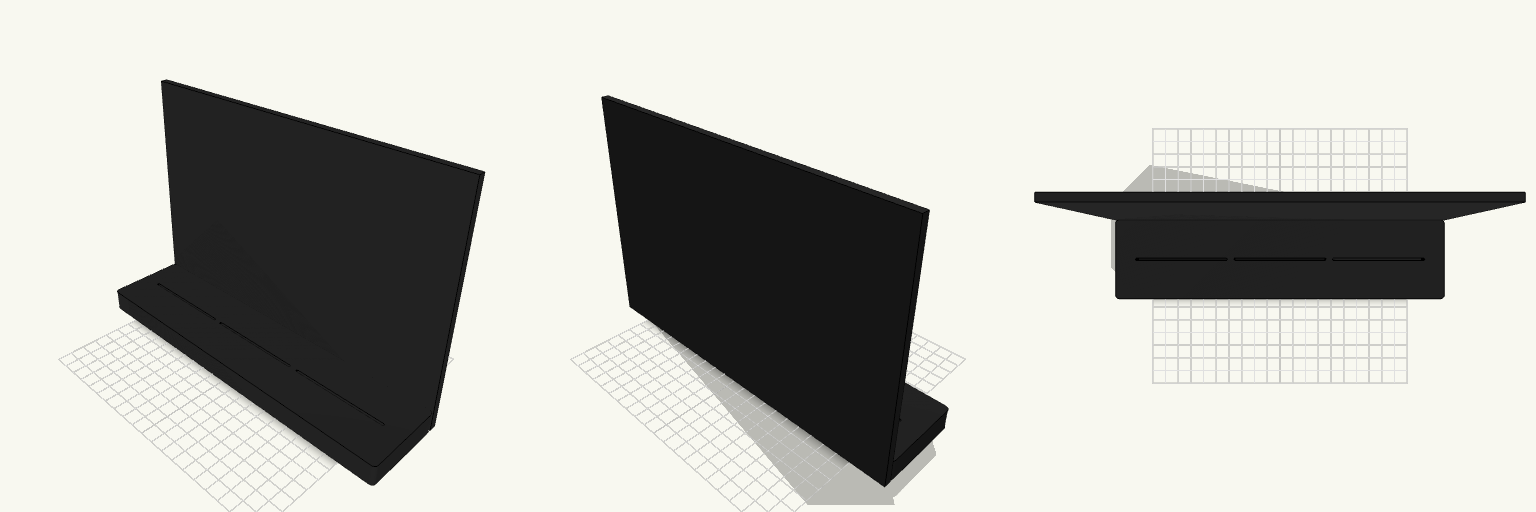
Penny Sleeve Display Stand
A dedicated three-slot display base dimensioned specifically for standard trading cards in penny sleeves (or top-loaders). The base spans 250 mm wide, offering three independent 70 mm x 5 mm straight grooves. The generous 5 mm slot depth easily clears a standard sleeve, and the solid 12 mm floor ensures they sit securely without sliding out of bounds. Groove Size: 70 mm wide x 5 mm deep x 12 mm tall Backing Plate: 110 mm tall Multi-Colour: Includes an embedded turquoise TCC logo separated as its own printable region.
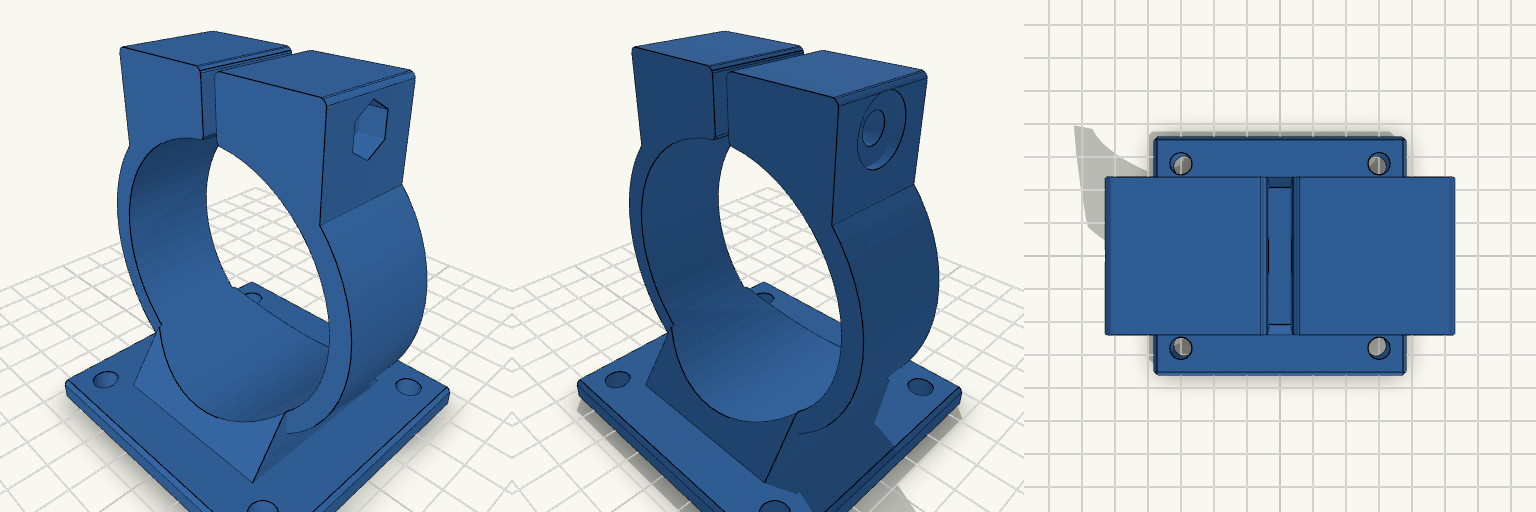
64mm Hose Holder Clamp
What it's for A heavy-duty saddle clamp designed to securely mount a 64 mm outer-diameter hose. The clamping mechanism uses an M6 bolt and a captive nut on the right ear to tighten the split ring. Dimensions Bore: 64 mm unobstructed passage. Base: 74 mm wide by 70 mm long, 6 mm thick. Mounting holes: Four 6.5 mm clearance holes at the corners. Clamp width: 25 mm thick on the Z-axis. Print notes Print this flat on its base. The hex recess is sized for a standard M6 nut and should bridge without supports on well-tuned printers, but a tiny dab of support inside the hex pocket won't hurt.
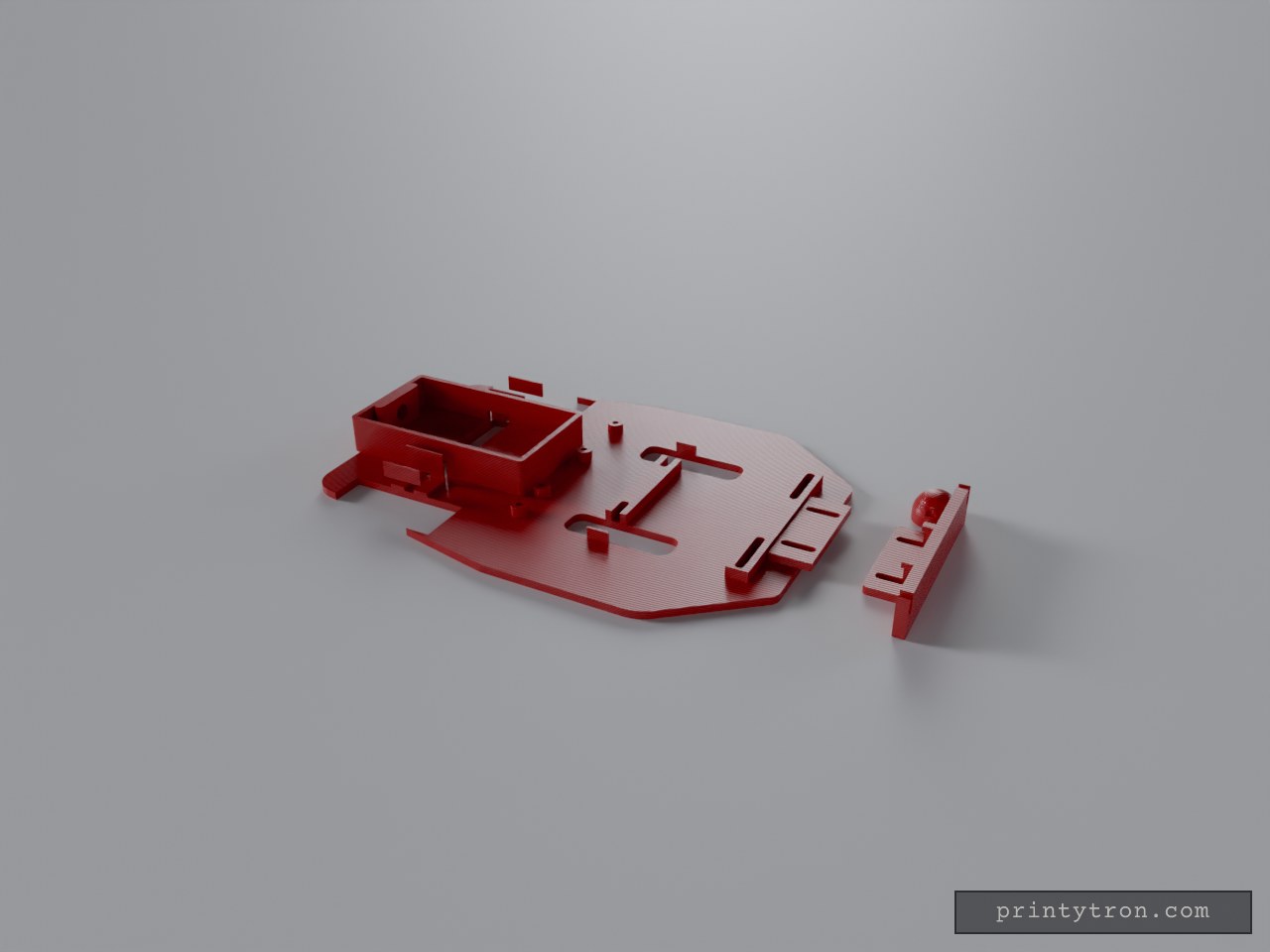
Line Follower Chassis (N20/Mega)
A flat-printing, modular chassis designed specifically for high-speed line following. Engineered to accommodate an Arduino Mega 2560, dual N20 motors, and a Pololu QTR-8RC reflectance sensor, with priority placed on a low center of gravity and straightforward field maintenance. What it's for This frame carries the electronics and drive system for a 2WD differential steering robot. Components drop into dedicated regions rather than requiring complex brackets, and all sensitive electronics are kept clear of the track surface. The front sensor mount separates from the main plate to allow independent height tuning of the IR array. Dimensions Overall envelope (assembled): 180 mm (L) × 130 mm (W) × 55 mm (H) Track width: ~90 mm, providing clearance for 35–38 mm diameter wheels. Electronics rails: Slotted cross-members accept an Arduino Mega or similarly sized microcontrollers. Drive mounts: Drop-in snap/strap cradles for standard 12×10 mm N20 motors. Power bay: Sized for two parallel 18650 lithium cells (44 mm inner width) with integrated Velcro pass-throughs. Assembly All major features anchor with standard M2 or M3 hardware. The front skid and sensor bracket print flat independently and bolt into designated sliding rails on the chassis nose. The motor mounts include under-plate zip-tie channels to secure the gearboxes rigidly against torque. Use standoffs for the motor driver and buck converter pads to ensure proper wiring clearance above the deck.
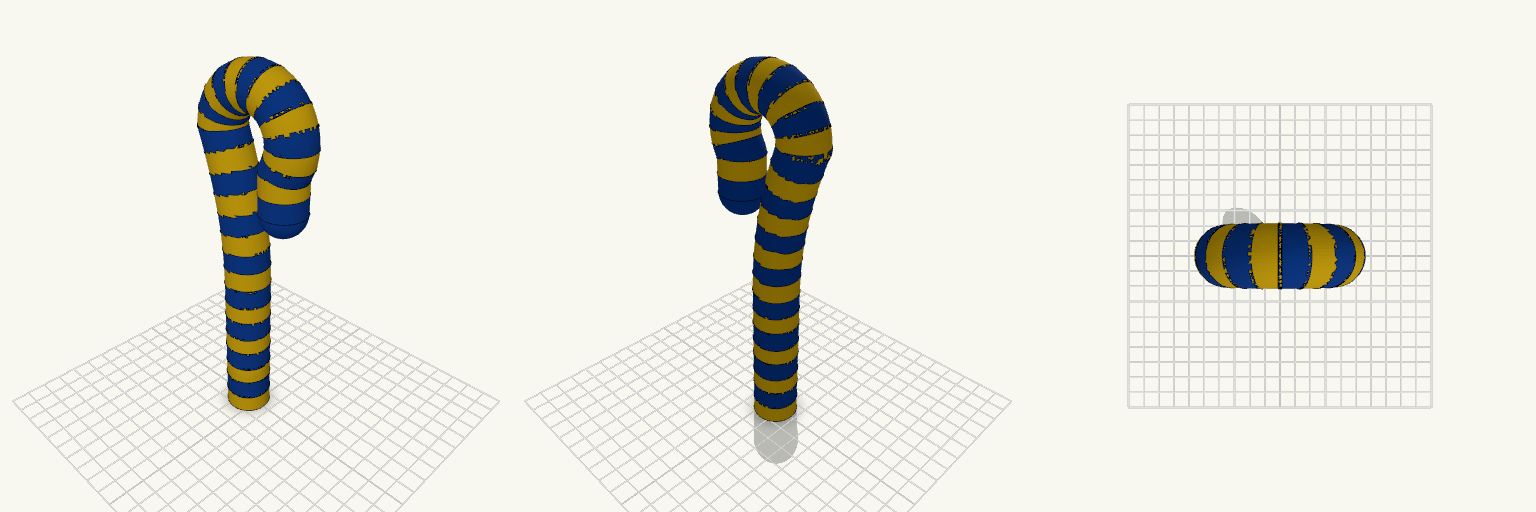
Heka — Pharaonic Crook
A recreation of the iconic Pharaonic crook, featuring a segmented design that alternates between gold and lapis lazuli colours. The tight hook and long shaft make it a striking display piece or costume accessory. Features Segmented Build: Alternating bands carry up the main shaft and wrap around the sweeping hook. Inward Hook: The crook sweeps tightly inward and finishes with a sharp, vertical drop at the very tip. Dowel Ready: A 16.5mm socket at the base fits standard 5/8" wooden dowels for an easy staff handle.
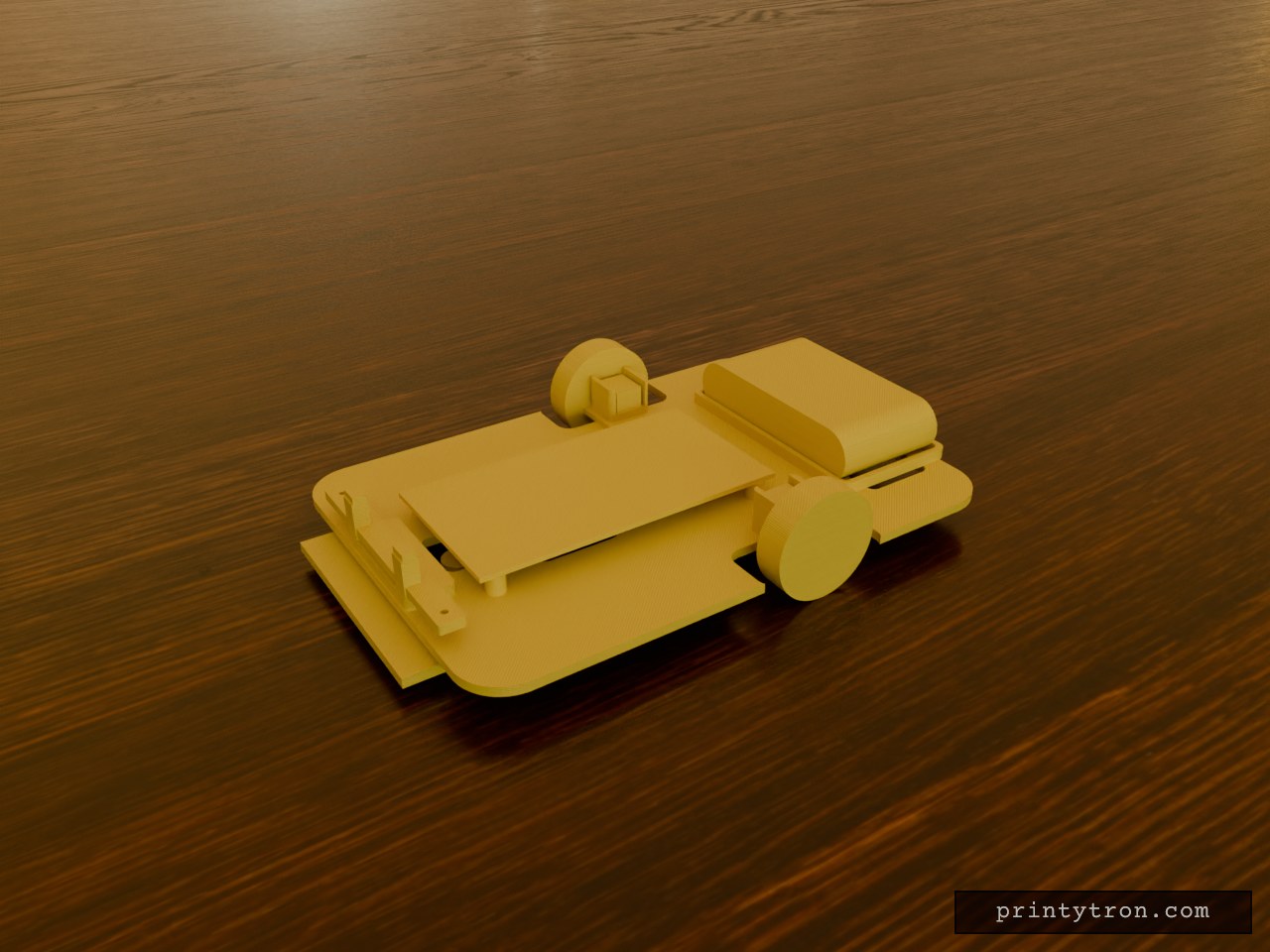
Apex — Comp Line-Follower Chassis
Apex — Comp Line-Follower Chassis is a high-speed, 3D-printable robotic platform designed around the Arduino Mega 2560 and Pololu QTR-8RC. Built for aggressive track layouts and rapid differential steering, this design drops the center of gravity to the floor while tightly packaging the critical electronics. The front sensor array dictates the pacing, and the custom split-bracket mounting system allows micro-adjustments in both height and lead distance to optimize line acquisition. Features Adjustable QTR Mount: Two-axis bracket for fine-tuning the 8-channel array height and lead distance. Low-CG Differential Drive: Transverse 2S battery pocket and dual N20 saddles centered on a 3mm rigid base plate. Component-Mapped: Exact clearances for the Arduino Mega 2560, TB6612FNG driver, buck converter, and 35mm racing wheels. Wire Routing: Integrated chassis cutouts and zip-tie points to keep logic and power rails out of the wheels. Print notes Print the main chassis and brackets in PETG or rigid PLA+ at a 3mm shell thickness. The chassis is natively support-free. Use M2 hardware for the sensor array and M3 for the logic boards and motor saddles.
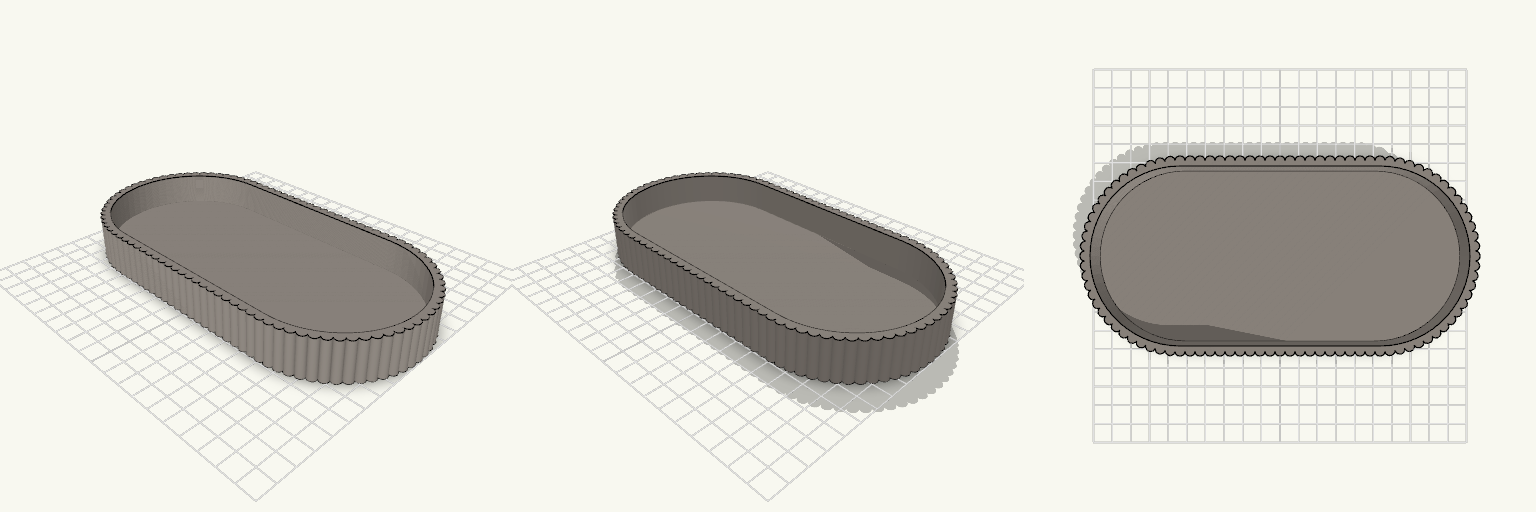
Low-Profile Reeded Catchall Tray
A wide, low-profile oval catchall tray featuring a seamless ribbed exterior and a smooth inner basin. Dimensions: 200mm × 100mm × 22mm Wall Thickness: 5mm (with 5mm continuous exterior ribs) Floor Thickness: 5mm Use Case: Keys, loose hardware, or desk accessories. The shallow walls make it easy to reach in and grab small items.
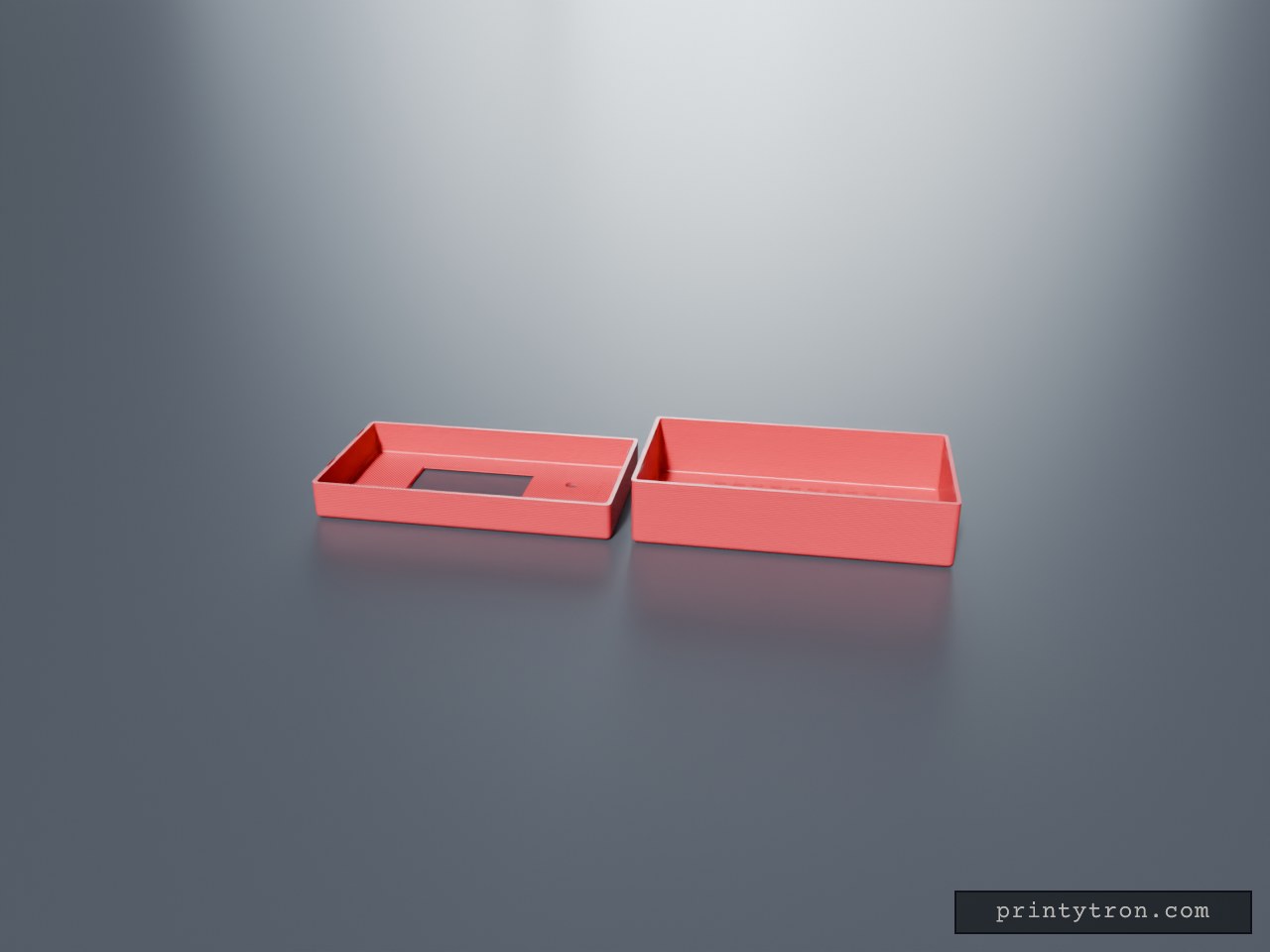
Retro TV Enclosure for No-Solder RP2040 Builds
A two-piece retro TV shell designed to house a no-solder RP2040 video player. The clamshell locks together with a built-in snap fit, offering exactly 150×80×50mm of internal space. Both halves print flat on the bed without supports. Front Bezel: Features a sloped CRT-style screen cutout with an internal ledge for a 2.8" display, twin 7mm dial holes, and integrated speaker vents. Back Shell: Includes a bottom-edge USB-C cutout and classic rear cooling vents. Snap Fit: A 4mm friction lip with interlocking bumps holds the enclosure securely together.
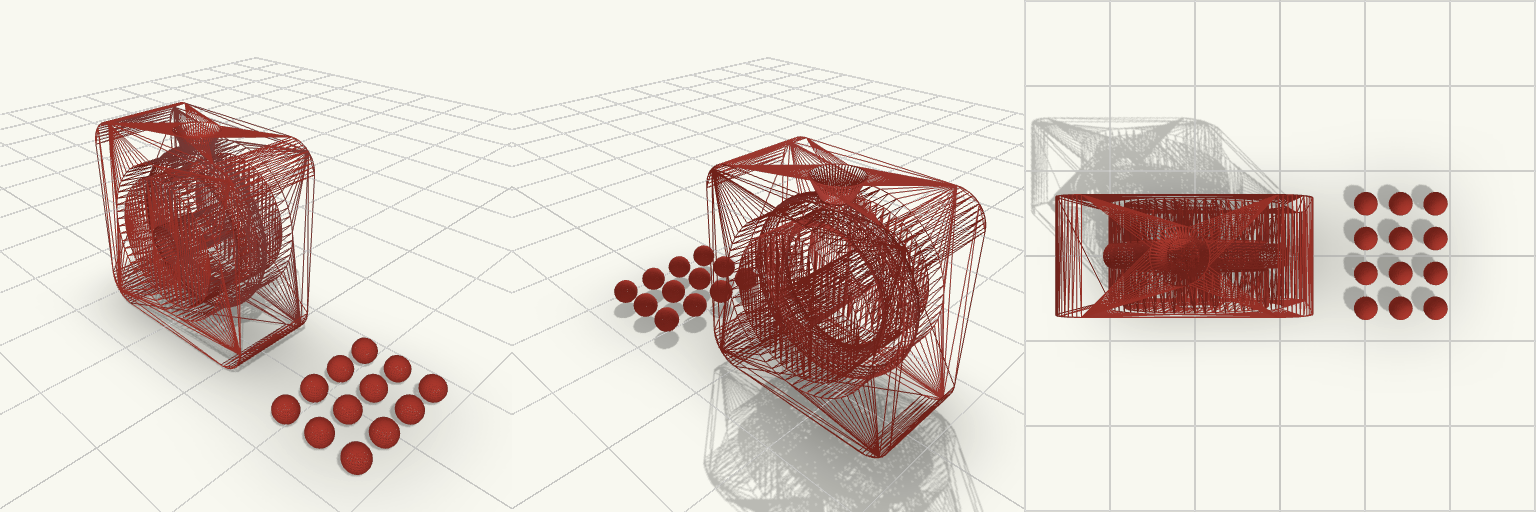
Bearings
A standalone print-in-place ball bearing inside a 22x22mm square housing. Designed originally to mount axles on a scratch-built mousetrap car chassis, the housing is completely flat on the back so you can glue or strap it exactly where you need it. Inside, the inner ring rides on twelve captured micro-spheres, keeping friction low without requiring external hardware. Tuning hooks Clearances: The internal track has a 0.4mm clearance gap. If your printer fuses them, try dropping the flow rate slightly. Axle bore: The center hole is 4mm — size it up to fit standard 1/4" or 6mm dowels if you're building heavier. Mounting: The 22x22mm block has plenty of meat around the edges if you want to drill through for M3 bolts.
Need a part that doesn't exist yet?
Start building →